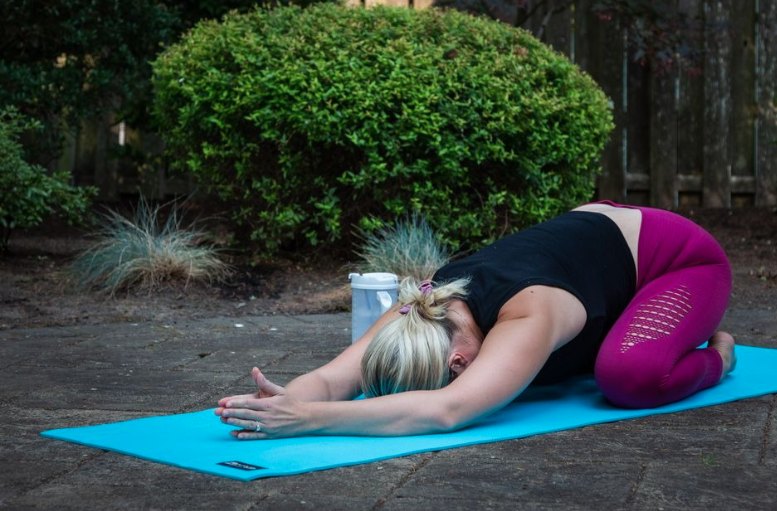
You’ve probably heard yoga described as stretching, stress relief, or a workout with breathing. That barely covers it. Yoga affects your nervous system, muscle control, attention span, sleep quality, and even how you respond to pain. If you only think of it as a calm fitness trend, you’re missing the more interesting story. Here’s what’s happening inside your brain and body when you practice regularly, and what those changes can mean for daily life.
Your nervous system starts shifting out of survival mode
A lot of people move through the day in a low-grade stress response without realizing it. Tight shoulders, shallow breathing, jaw tension, and a racing mind often become your normal. Yoga interrupts that pattern by combining controlled movement with breath pacing, which can reduce sympathetic nervous system dominance.
In plain terms, your body gets more chances to leave fight-or-flight mode and return to a steadier baseline. Practices that emphasize longer exhales, slow transitions, and stillness can support vagal tone, which is tied to emotional regulation and heart rate variability. If you’ve ever noticed that you react less sharply after a few weeks of consistent classes, that’s not just a mood boost. It reflects a real change in how your system handles stress input.
Your brain gets better at attention and self-awareness
Yoga asks you to notice small things: whether your weight is balanced, whether your ribs are flaring, whether you’re holding your breath in a difficult pose. That kind of repeated check-in trains interoception, which is your ability to sense what’s going on inside your body.
Interoception matters more than most people think. It influences how quickly you notice anxiety building, fatigue creeping in, or pain signals changing. Research on how Yoga changes your brain and body points to effects linked with stress reduction, cognitive function, and nervous system regulation. From a practical angle, that can look like catching yourself before a panic spiral, focusing better during exams, or recognizing when your body needs rest instead of another energy drink.
Flexibility is only one part of the physical upgrade
People often treat flexibility as the main outcome, but yoga changes movement quality in broader ways. You’re training joint control, muscular endurance, balance, and range of motion at the same time. That combination has real value, especially if you spend hours sitting at a desk, driving, or looking down at a phone.
Take hip mobility, for example. Tight hips are rarely just a comfort issue. They can affect your gait, lower-back mechanics, and even how stable you feel during basic tasks. Shoulder mobility works the same way. When you gradually improve thoracic extension and scapular control, overhead movement usually feels smoother and less pinchy. You may not notice these shifts dramatically in one session, but they show up when climbing stairs, carrying groceries, or getting through workouts with less stiffness afterward.
Breathing patterns can reshape how you handle pressure
Breathwork in yoga is often dismissed as a soft extra, but it’s one of the most useful parts of the practice. Many people breathe high in the chest, especially when stressed, distracted, or physically deconditioned. Over time, that pattern can feed tension and make it harder to calm down quickly.
Yoga encourages diaphragmatic breathing and breath awareness under mild physical load. That matters because controlling your breath while balancing, holding effort, or moving through discomfort builds resilience. You’re not just learning to breathe better on a mat. You’re rehearsing what to do when life gets loud. A student before a presentation, an athlete trying to reset after a mistake, or someone dealing with a difficult conversation can all use the same skill: slower, more intentional breathing to reduce reactivity.
Pain perception often changes, even when pain doesn’t vanish
Yoga isn’t a magic cure for chronic pain, and treating it that way leads to disappointment. What it can do is change your relationship with pain. That distinction matters. Some forms of persistent pain are tied not only to tissue issues but also to nervous system sensitization, stress load, and fear of movement.
A well-structured yoga practice can help by improving body awareness, reducing guarding, and creating graded exposure to movement. If your back feels fragile, moving carefully and consistently can start restoring confidence. If your neck always feels tense, breath-linked motion may reduce bracing patterns. You may still need clinical care, rehab, or imaging depending on the issue. Still, for many people, yoga becomes part of a bigger pain-management strategy that supports function rather than chasing a perfect, pain-free body.
Mood changes are often tied to biology, not just mindset
It’s easy to assume yoga helps your mood because it feels peaceful. That’s part of it, but there’s more going on. Regular practice has been associated with shifts in stress hormones and neurotransmitter activity, along with better sleep regulation. Those changes can influence anxiety, irritability, and mental fatigue.
This doesn’t mean yoga replaces therapy, medication, or psychiatric care when those are needed. It means the practice can support mental health in ways that are measurable and useful. If you’ve had periods where your thoughts feel scattered and your emotions swing fast, the structure of yoga can help create predictability. You show up, breathe, move, and focus on one task at a time. That routine can be stabilizing when your brain feels overstimulated by constant notifications, school pressure, work shifts, or poor sleep.
Consistency matters more than intensity
You do not need advanced poses, extreme flexibility, or daily 90-minute classes to get meaningful benefits. In fact, chasing intensity can pull attention away from the real gains. Nervous system regulation, mobility improvements, and better body awareness come from repetition more than performance.
A realistic schedule works better than a perfect one you quit after eight days. Twenty minutes three times a week can change how your body feels by the end of a month. A short evening flow may improve sleep more than a hard workout late at night. A few standing poses in the morning can reduce stiffness before school or work. The key is choosing a style that matches what you need: slower classes for stress management, stronger flows for endurance, or targeted mobility sessions if your body feels locked up.
The biggest change may be how you relate to your body
A lot of exercise culture teaches you to judge your body by appearance, output, or discipline. Yoga can shift that frame. Instead of asking whether your body looks impressive, you start noticing whether it feels stable, rested, coordinated, and responsive. That’s a different standard, and for many people it’s a healthier one.
You may begin to see your body less as a project and more as a system that gives feedback. That changes decisions outside yoga too. You might recover earlier, sleep more seriously, warm up before training, or stop pushing through pain just to prove something. Those are not small habits. Over time, they shape how you perform, how you age, and how well you function in ordinary life. Yoga doesn’t just make you more flexible. It can make you more aware, more durable, and much harder to knock off balance.
Read more : The Growing Importance of Preventive Health Awareness