Key Takeaways
- Compare price, speed, repair burden, fees, and certainty before selecting a selling method.
- A traditional listing can provide broad exposure, while a direct cash sale can reduce showings and preparation work.
- Net proceeds matter more than the number printed at the top of an offer.
- Property condition, flood history, insurance questions, title matters, and association requirements can affect a sale in Bradenton.
- Written terms and a simple cost worksheet make competing options easier to evaluate.
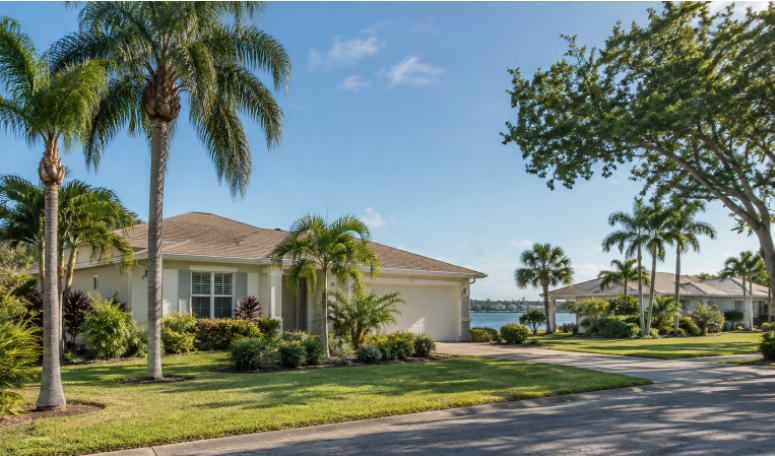
Selling a home in Bradenton can look very different from one neighborhood to the next. A waterfront-adjacent property, a condo with association rules, a rental near major corridors, or a single-family home in West Bradenton may attract different buyers and require different preparation. Homeowners considering an as-is, direct-sale route can review Revival Homebuyer, a Florida home-buying company whose Bradenton service page describes cash offers for houses sold in their current condition. The company serves Bradenton and other Florida communities, making it a relevant local example for sellers comparing a traditional listing with a direct buyer.
The best path is not automatically the one with the highest headline offer. A strong selling plan accounts for the expected closing date, repair needs, financing risks, carrying costs, and the amount the owner is likely to receive at closing. Before accepting any offer, define what matters most.
Why a Clear Plan Matters in Bradenton
Bradenton sellers operate in a market shaped by location, condition, and buyer priorities. Homes near downtown, Palma Sola, Bayshore Gardens, Lakewood Ranch, Palmetto, and coastal areas may not be comparable to properties in those areas. Roof age, storm repairs, drainage, insurance availability, and homeowners association obligations can influence both buyer interest and negotiations.
Statewide reports can provide useful background, but local comparable sales should drive pricing decisions. The Florida housing market report for August 2026 notes a leveling statewide market, yet individual Bradenton properties can perform differently based on neighborhood, condition, and price range.
For homeowners who want to research a company before requesting an offer, www.revivalhomebuyer.com outlines its Florida-focused home-buying approach, including as-is purchases and cash-sale options. It is still wise to compare any direct offer against a listing strategy and to read every contract term before signing.
Step One: Decide What You Need Most
Start by ranking your priorities. If the main goal is the highest possible sale price, a traditional listing with careful preparation may be appropriate. If timing is urgent due to relocation, inheritance, divorce, a vacant property, or mounting repairs, a shorter, more predictable process may offer greater value.
- Maximum price: Usually requires market exposure, showings, and patience through buyer financing and inspections.
- Fast closing: May favor a buyer with verified funds and fewer financing conditions.
- Lower stress: May favor an as-is sale when cleaning, repairs, and repeated showings are impractical.
- Certainty: Requires close review of inspection, appraisal, financing, and title contingencies.
Step Two: Compare the Main Ways to Sell
Traditional Real Estate Listing
A listing can place the home in front of more potential buyers through marketing, photographs, showings, and open houses. However, the process may also involve commissions, buyer inspection requests, appraisal issues, seller credits, and a closing timeline tied to mortgage approval.
For-Sale-By-Owner
Selling without an agent may reduce certain commission costs, but the owner assumes responsibility for pricing, advertising, buyer screening, scheduling, negotiations, disclosures, and contract coordination. A real estate attorney or title professional can be especially helpful when ownership or documentation is complicated.
Direct Cash Sale
A direct buyer may be willing to purchase a property in its present condition. This can reduce repair work and showings, but speed should never replace due diligence. Ask for a written offer, understand all deductions, confirm how title work will be handled, and compare the estimated net proceeds with other options.
Step Three: Calculate Net Proceeds, Not Just Sale Price
A higher offer can produce a lower final result if it requires substantial spending or a long holding period. Build a simple worksheet for every option and subtract:
- Agent commissions or listing-related fees
- Repairs, cleaning, landscaping, staging, and photography
- Seller-paid closing costs or buyer credits
- Mortgage payments, property taxes, insurance, utilities, and association dues during the sale period
- Moving, storage, and temporary housing expenses
For example, a listing offer of $400,000 may look stronger than a $370,000 as-is cash offer. But if the listing requires $15,000 in repairs, $20,000 in commissions and seller costs, plus several months of carrying expenses, the difference may narrow. This is only an illustration, not a pricing rule.
Step Four: Review the Property Before Pricing It
Bradenton value is about more than square footage. Review recent comparable sales, the age and condition of major systems, roof and storm-related history, parking, permits, pool condition, lot features, and any additions. For condos and homes in managed communities, gather association rules, fees, account information, and notice of pending assessments.
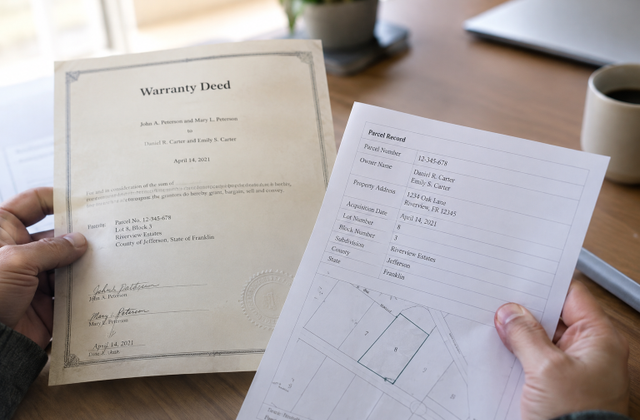
Be prepared to discuss known water intrusion, drainage concerns, insurance claims, leases, liens, and title questions. Accurate information early in the process can prevent delays and reduce the risk of a buyer withdrawing later.
Step Five: Gather Documents Before You Accept an Offer
- Identification for every owner and current mortgage payoff information
- Property tax records, surveys, title policies, permits, warranties, and repair invoices
- HOA or condominium contact information, statements, and governing documents
- Lease agreements for tenant-occupied homes
- Trust, probate, divorce, estate, or power-of-attorney documents when applicable
- Insurance claim records and documentation of major repairs
Disclosures, Taxes, and Contract Caution
Florida sellers should provide complete and accurate information about known property issues. When a home has an unusual ownership history, an active tenant, an inherited title, an unresolved permit issue, or a potential lien, professional legal and title guidance can be well worth the time.
Tax treatment also depends on individual facts. Under the IRS home sale tax rules, qualifying homeowners may be able to exclude up to $250,000 of gain, or up to $500,000 for certain married couples filing jointly. Rental use, a recent prior home sale, divorce, inheritance, and investment ownership can change the analysis, so consult a qualified tax adviser when needed.
Questions to Ask Any Cash Buyer
- Will the offer be provided in writing, with every fee and deduction explained?
- What proof is required to show that the buyer can complete the purchase?
- Can the price change after inspection, and under what circumstances?
- Who chooses the title company or closing agent?
- What happens if a lien, unpaid tax, or ownership issue appears?
- Can you select or negotiate the closing date?
- Does the contract allow assignment, and what does that mean for the seller?
Final Decision Framework
Rate each path from one to five for price, speed, convenience, certainty, repair burden, and total cost. Avoid verbal promises, rushed signatures, large upfront fees, and unexplained last-minute price reductions. The right choice is the one that fits your timeline, financial needs, and comfort level, while providing clear written terms and a realistic estimate of what you will receive at closing.
Read more : The Role of Smart Infrastructure in Future Real Estate Development