Key Takeaways
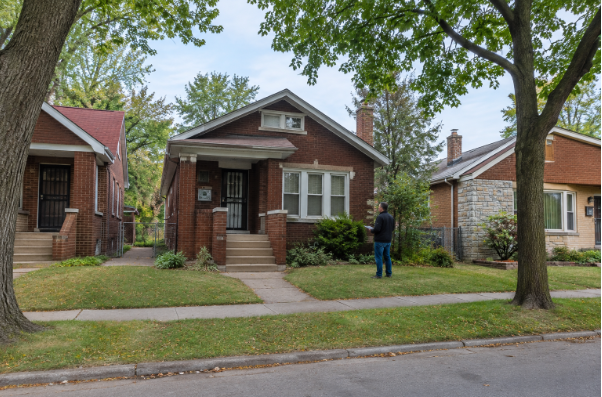
- A home can appear move-in ready while its records reveal ownership questions, unpaid claims, or restrictions.
- An inspection is important, but it does not replace a review of property, title, insurance, and closing documents.
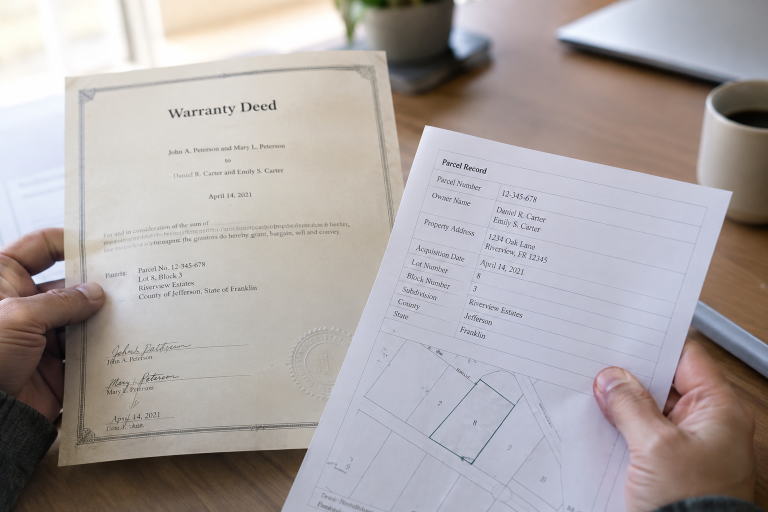
- Comparing names, dates, parcel numbers, and legal descriptions can expose inconsistencies before closing.
- Buyers should independently verify every request to send money or change wire instructions.
- When documents conflict, it is usually better to pause and get qualified guidance than to assume the issue will disappear.
Why Hidden Property Risks Matter
Buying a home involves more than comparing prices, neighborhoods, and paint colors. A property may look well maintained during a showing while important details sit in public records, seller paperwork, insurance quotes, or closing documents. A careful buyer reviews the home itself and the legal path by which ownership is being transferred.
That paperwork review matters because physical condition and ownership history are separate issues. For example, owner’s title insurance is designed to address certain covered problems connected to title and ownership history, while homeowners insurance generally concerns physical loss or damage. Neither type of coverage replaces a buyer’s responsibility to read the documents and ask questions before signing.
Home transactions can move quickly, especially after an offer is accepted. Buyers may be managing inspections, financing, moving plans, and deadline-driven requests at the same time. Creating a simple review process early helps prevent a rushed signature later, when changing terms or resolving a problem may be harder.
The goal is not to assume that every unusual record means a deal is unsafe. Many issues have ordinary explanations and can be resolved before closing. The useful habit is to notice inconsistencies, request clarification in writing, and understand who is responsible for fixing an issue.
What Buyers Should Check Before Signing
No single report provides a complete picture of a property. Buyers should compare several sources, including disclosures, title materials, tax records, inspection findings, association documents, insurance estimates, and loan paperwork. The most important categories include:
- The seller’s legal authority to transfer the property.
- Recorded liens, unpaid taxes, judgments, or contractor claims.
- Past ownership changes involving an estate, trust, divorce, or recent resale.
- Boundary lines, access rights, easements, and use restrictions.
- Open permits, code matters, repair disclosures, and association obligations.
- Availability and cost of homeowners, flood, or specialty insurance.
- Loan terms, closing costs, credits, and the final cash required to close.
- Any unexpected request to change payment instructions.
How to Review Public Property Records
Depending on the jurisdiction, useful records may be maintained by a county recorder, clerk, assessor, tax office, court, or planning department. Online access can be convenient, but a website search is an early research step, not a legal conclusion. Records may be indexed differently, delayed, incomplete, or difficult to interpret.
Records Worth Reviewing
- The current deed and prior recorded deeds.
- Mortgage releases or satisfactions connected to older loans.
- Property tax status and any delinquency information.
- Recorded liens, easements, covenants, or restrictions.
- Parcel maps, surveys, and legal descriptions.
- Probate filings or court records when an estate appears involved.
- Permit history and notices from local building or code offices.
Pay close attention to names, addresses, parcel numbers, and legal descriptions. A small spelling difference may be harmless, but it may also signal that the documents refer to a different owner, lot, or transaction. Ask the closing professional which document controls if details do not match.
Common Red Flags in a Property’s History
A red flag is a reason to investigate, not an automatic reason to cancel a purchase. Still, buyers should not ignore patterns that suggest an unresolved ownership or transfer issue.
Frequent Warning Signs
- The seller’s name differs from the recorded owner’s name.
- An older mortgage appears without a recorded release.
- A deceased person remains the owner of record.
- The property has changed hands repeatedly in a short period.
- A legal description differs between the deed, survey, and contract.
- A neighbor claims a right to use a driveway, road, or portion of the land.
- The seller encourages the buyer to skip standard documentation or deadlines.
Consider a home being sold after a parent’s death. An adult child may be handling the sale, but that does not automatically establish that the child alone can transfer title. Estate documents, court authority, a trust instrument, or signatures from additional interested parties may be needed before the transaction can close properly.
Questions About Deeds, Ownership, and Title
Living in a home, paying its bills, or maintaining it does not always answer the legal ownership question. The deed and other recorded documents help show who has an interest in the property and whether another party may have a claim or right that affects the buyer.
Questions Buyers Can Ask
- Who is shown as the current legal owner in the relevant records?
- Is the seller an individual, trust, estate, business, or group of co-owners?
- Are all necessary parties signing the purchase and closing documents?
- Are there liens, taxes, restrictions, or easements that will remain after closing?
- Does the title commitment identify exceptions that need clarification?
- Are there limits on renting, building, parking, or using the property?
These questions can matter long after move-in day. An ownership issue may become more visible when a buyer later sells, refinances, adds a co-owner, or transfers the home through an estate plan.
Fraud and Wire Scam Warning Signs
Real estate fraud can involve impersonation, altered documents, stolen account access, or false wire instructions. A message can look convincing because it uses names, logos, property details, or language copied from a legitimate transaction. Treat any last-minute change to payment instructions as a verification event.
- Call a known phone number for the title company, closing attorney, or lender to confirm wiring details.
- Do not use a phone number included only in a suspicious email or text message.
- Use strong, unique passwords and multi-factor authentication for email accounts.
- Notify the bank and closing team immediately if money is sent to the wrong account.
Before signing, compare the loan amount, interest rate, costs, credits, and cash-to-close figure with earlier disclosures. The Closing Disclosure review guidance from the Consumer Financial Protection Bureau explains that borrowers generally receive this form at least three business days before scheduled closing, creating time to identify and question unexpected changes.
Insurance, Taxes, and Ongoing Costs
The purchase price is only one part of the ownership budget. Buyers should request realistic estimates for homeowners insurance, property taxes, association dues, utilities, maintenance, and foreseeable repairs. Flood coverage or other specialty insurance may be relevant depending on the property’s location, lender requirements, and risk profile.
Also separate physical-property protection from title-related protection. An insurance policy for storm damage will not necessarily address an ownership dispute, and a title policy will not repair a damaged roof. Review each policy, exception, deductible, and coverage limit on its own terms.
A Practical Pre-Closing Checklist
- Confirm the seller. Match the seller’s identity to the ownership records and transaction documents.
- Gather the file. Collect disclosures, deeds, permits, surveys, tax information, and association materials.
- Review recorded interests. Ask about liens, easements, restrictions, and unreleased loans.
- Compare details. Check names, property addresses, parcel numbers, and legal descriptions across documents.
- Verify insurance. Obtain quotes before financing and inspection deadlines expire.
- Confirm payment instructions. Verify them by phone using trusted contact information.
- Read final documents. Do not sign until corrections, exceptions, and responsibilities are clear.
When to Get Professional Help
Professional guidance is especially valuable when records conflict or the transaction involves an estate, trust, divorce, foreclosure, vacant land, multiple owners, a quitclaim deed, or a boundary question. A real estate attorney, title professional, lender, insurance agent, surveyor, or housing counselor may each address different parts of the transaction.
Local rules and documents vary, so buyers should seek qualified legal, tax, insurance, or financial advice for decisions specific to their situation. Careful research does not make a home purchase unnecessarily difficult. It gives buyers more time to correct a problem, negotiate a solution, or walk away before the final signatures are complete.
Read more: Daniel Torres Jr.: How Construction Project Managers Monitor and Control Budgets