Selling a house in Detroit, Michigan starts well before a sign goes in the yard or an offer arrives. A careful review of the home’s condition, ownership records, costs, and timeline can prevent late surprises and help you choose a selling approach that fits your circumstances.
For owners seeking an alternative to listing, Blue Moon Acquisitions offers direct cash offers on Detroit homes in as-is condition. As a Michigan-focused home-buying company serving Detroit and nearby communities, it works with sellers facing repair needs, inherited properties, landlord responsibilities, relocation, or a shorter preferred closing timeline. A direct offer is not the right answer for every property, but it is useful for comparison with a traditional sale.
Why a Pre-Sale Check Matters in Detroit
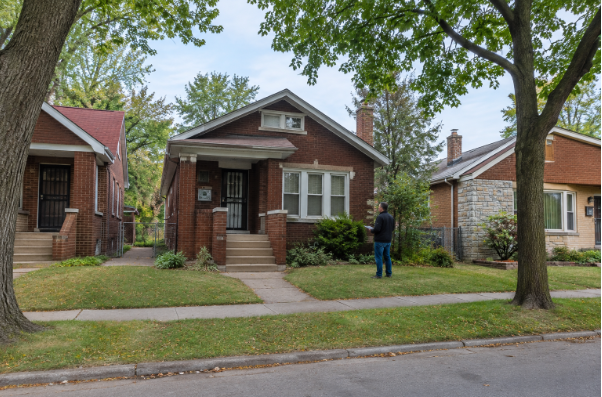
Detroit housing varies block by block. A renovated brick bungalow, a two-family rental, and a long-vacant house may attract very different buyers, even when they are only a few miles apart. Checking the facts first helps sellers avoid choosing a price or sales method based on assumptions.
A small issue found early can be manageable. The same issue discovered during a buyer inspection, title search, or final walkthrough can delay closing, create a repair request, or cause a buyer to reconsider. For example, finding an unpaid water balance before listing gives an owner time to verify the amount and plan for it, rather than addressing it under pressure.
Homeowners who want to explore broader cash-sale options across the state can also review Blue Moon Acquisitions, which describes its Michigan home-buying services for owners who prefer to sell without making repairs or preparing for repeated showings.
Check the Home’s Current Condition
You do not need to renovate every room before selling. Start with a practical walkthrough and take notes on visible conditions that may affect safety, buyer confidence, financing, or the likely sale price.
Areas worth reviewing
- Roof leaks, missing shingles, damaged gutters, and ceiling stains.
- Basement moisture, foundation cracks, or signs of water entry after rain.
- Older plumbing, electrical panels, furnaces, and water heaters.
- Broken windows, damaged flooring, peeling paint, and unfinished repairs.
- Loose steps, unsafe railings, overgrown vegetation, or debris around the exterior.
Get estimates for major concerns before committing to work. Compare the expected cost, the time needed, and whether the improvement is likely to make the home more marketable. Expensive projects financed with debt do not automatically yield better results.
Decide Whether to Repair, Clean, or Sell As-Is
- Repair first: Consider this route when a limited, clearly priced repair improves safety or removes an obvious objection, such as repairing a handrail or fixing a minor plumbing leak.
- Clean and list: This can work well when the home is structurally sound but crowded, dated, or poorly presented. Cleaning, removing personal items, and improving lighting can make it easier for buyers to evaluate the space.
- Sell as-is: This may suit a home needing substantial work, a property with unwanted belongings, or an owner who needs a simpler timeline. Selling as-is does not remove the need to handle known issues honestly or provide disclosures when required.
Review Ownership, Title, and Tax Records
Paperwork can be just as important as curb appeal. Confirm who has authority to sell before marketing the property. Gather the deed, mortgage statement, tax information, insurance records, and any documents connected to probate, divorce, a trust, or a power of attorney.
Check the parcel details through the Detroit assessor’s office, then ask a title company to identify mortgages, liens, judgments, and recorded claims that could affect closing. An issue does not necessarily prevent a sale, but identifying it early gives everyone time to determine the next step.
Count the Costs Before Setting a Price
The largest offer is not always the strongest offer. Estimate what you may receive after paying the mortgage payoff, property taxes, transfer-related charges, commissions if applicable, closing costs, repairs, moving, cleaning, storage, and any utility or municipal balances.
When comparing offers, focus on the estimated net proceeds, the closing date, contingencies, financing risk, and the amount of work required from you. A lower offer with fewer conditions may sometimes be more workable than a higher offer that depends on repairs, appraisal, or loan approval.
Read the Detroit Market Property by Property
Citywide market reports are useful background, but they cannot determine the value of a specific Detroit home. Neighborhood, property type, maintenance history, nearby sales, and price range all matter. Demand may look different in Midtown, Corktown, Rosedale Park, Boston-Edison, Indian Village, and other distinct areas of the city.
In a market where buyers have choices, they may inspect carefully and ask for concessions. Sellers can prepare by setting a realistic plan, documenting improvements, and deciding in advance which repairs or credits they are willing to consider.
Compare Your Main Selling Options
- Traditional listing: Often best for owners with a market-ready property, flexibility for showings, and time to wait for a qualified buyer. Consider agent fees, buyer negotiations, inspection requests, and financing contingencies.
- For-sale-by-owner: May appeal to sellers comfortable with pricing, marketing, scheduling, paperwork, and negotiation. The owner takes on more responsibility for the process.
- Direct cash sale: May suit owners prioritizing convenience, an as-is transaction, or a defined closing schedule. Compare the offer against the likely net result of listing after expenses and repairs.
How to Review a Cash Offer
- Ask how the buyer arrived at the offer amount.
- Confirm whether the buyer intends to purchase directly or assign the contract.
- Read the contract for fees, repair deductions, contingencies, and cancellation terms.
- Request proof that the buyer has funds available to close.
- Confirm the proposed closing date and the title company handling the transaction.
- Do not pay unexplained upfront fees simply to receive an offer.
Plan Early for Complicated Situations
Foreclosure, inherited homes, joint ownership, tenants, code concerns, storm damage, and vacant properties can add decisions to a sale. Contact the appropriate lender, title professional, attorney, or housing agency promptly when legal rights, deadlines, or significant financial obligations may be involved. Waiting until a contract is signed can limit your options.
A Simple Seven-Day Detroit Seller Checklist
- Day 1: Collect the deed, mortgage statement, tax records, and insurance information.
- Day 2: Walk through the home and photograph visible damage.
- Day 3: Identify ownership questions, liens, and unpaid balances.
- Day 4: Request estimates for major repairs only.
- Day 5: Compare listing, as-is, and direct-offer options.
- Day 6: Estimate net proceeds for each option.
- Day 7: Review written offers and contracts before deciding.
Start With Facts, Not Pressure
Detroit homeowners do not need to rush into the first available path. Review the property, paperwork, likely costs, and personal timeline first. The right plan may be a traditional listing, a self-managed sale, or a direct purchase. What matters most is choosing an option with terms, risks, and proceeds you understand before signing.
Read more: How Behavioral Biases Influence Everyday Financial Decisions