
Introduction
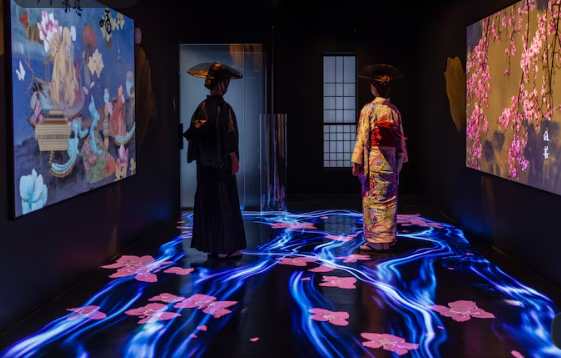
Art has always been a powerful medium for expressing emotions, sharing stories, and challenging perspectives. Traditionally, galleries and museums have provided structured environments where visitors observe paintings, sculptures, and other artistic creations. However, a new movement is changing how people experience creativity. Immersive art spaces are transforming passive observation into active participation, allowing audiences to step inside artistic environments rather than simply admire them from a distance.
By combining technology, architecture, sound, and interactive installations, these spaces are redefining the relationship between artists and their audiences.
What Are Immersive Art Spaces?
Immersive art spaces are creative environments designed to engage visitors through multiple senses. Unlike conventional galleries, where artwork is typically displayed on walls or pedestals, immersive exhibitions surround audiences with artistic experiences.
These environments may feature large-scale projections, interactive lighting, digital animations, soundscapes, and physical installations. Visitors can walk through artistic landscapes, interact with installations, and experience visual narratives from different perspectives.
The primary goal is to create a deeper emotional connection between the audience and the artwork.
Technology Is Transforming Artistic Experiences
One of the major factors driving the popularity of immersive art is technological innovation. Advanced projection systems, augmented reality, virtual reality, and motion-sensitive installations allow artists to explore creative possibilities beyond traditional materials.
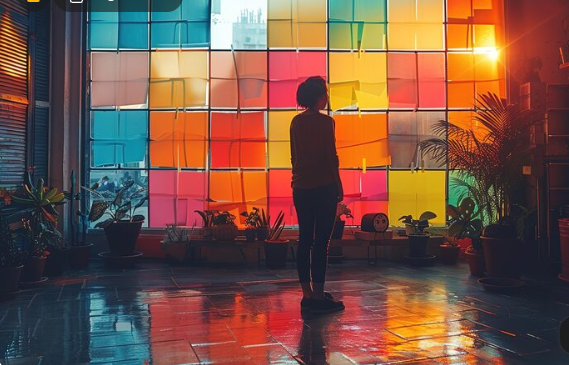
For example, projection mapping can transform an ordinary room into a moving landscape of colors and patterns. Motion sensors can respond to visitors’ movements, creating artwork that changes as people interact with it.
Virtual reality also allows audiences to explore imaginary worlds that would be impossible to construct physically. These technologies expand artistic expression while introducing new ways to experience creativity.
Moving Beyond Passive Observation
Traditional galleries generally encourage visitors to observe artwork without touching or altering it. Immersive exhibitions challenge this approach by making participation an essential part of the artistic experience.
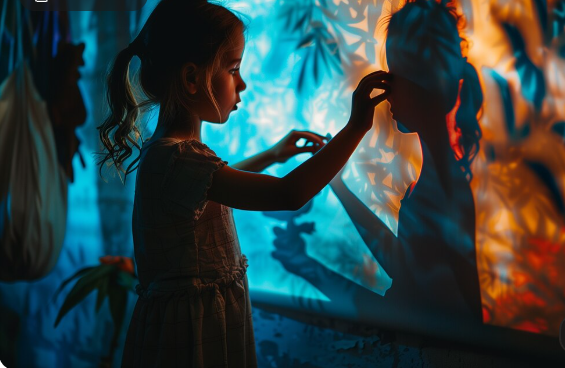
Visitors may influence light patterns, activate sounds, or contribute to evolving digital installations. This interaction creates a personal connection because each participant can experience the artwork differently.
Instead of receiving a fixed artistic message, audiences become active contributors to the creative environment.
This transformation also encourages curiosity, experimentation, and meaningful engagement.
Making Art More Accessible to Wider Audiences
Immersive art spaces are attracting people who might not regularly visit traditional galleries. Their interactive nature makes artistic experiences appealing to families, younger audiences, and individuals unfamiliar with classical art.
Complex artistic concepts can become easier to understand when presented through visual storytelling, sound, and physical interaction.
Additionally, many immersive exhibitions incorporate educational elements that introduce visitors to artistic techniques, cultural history, and creative processes.
However, accessibility requires more than engaging technology. Inclusive design, affordable admission, and accommodations for visitors with sensory or mobility needs remain important considerations.
The Influence of Social Media
Social media has contributed significantly to the visibility of immersive art exhibitions. Visually striking installations, colorful projections, and interactive environments often encourage visitors to photograph and share their experiences online.
Platforms such as Instagram and TikTok can introduce these exhibitions to audiences far beyond their physical locations.
This digital exposure helps artists and exhibition organizers reach new communities. However, it also raises questions about whether some installations prioritize visually appealing photographs over artistic meaning.
Successful immersive art balances memorable visual experiences with thoughtful creative expression.
New Opportunities for Artists and Creative Industries
Immersive spaces are opening opportunities for collaboration between artists, programmers, architects, musicians, and digital designers.
Artists can experiment with unconventional materials and technologies while exploring relationships between physical and digital environments.
These exhibitions may also contribute to local creative economies by attracting cultural tourism, supporting event production, and transforming unused commercial buildings into artistic destinations.
As interest grows, creative professionals are developing new approaches to exhibition design and audience engagement.
Challenges Facing Immersive Art
Despite their popularity, immersive exhibitions face several challenges. Advanced technology requires significant financial investment, technical maintenance, and specialized expertise.
Equipment failures can interrupt exhibitions, while rapidly changing technology may make installations expensive to update.
Environmental concerns also arise from electricity consumption and electronic equipment.
Another challenge involves maintaining artistic authenticity. Immersive environments must offer more than impressive visuals to create lasting cultural value.
Thoughtful storytelling, originality, and meaningful audience participation are essential for long-term success.
The Future of Immersive Art Spaces
The future of immersive art will likely involve stronger integration between digital innovation and physical creativity.
Artificial intelligence may support responsive installations that adapt to visitor behavior, while mixed-reality technology could blend virtual artwork with real-world surroundings.
Artists may also explore sustainable exhibition methods and personalized experiences that encourage deeper audience participation.
Rather than replacing traditional galleries, immersive spaces can complement them by expanding the possibilities of artistic presentation.
Conclusion
The rise of immersive art spaces represents an important evolution in how creativity is presented and experienced. By combining technology, sensory engagement, and audience participation, these environments are breaking down the boundaries between artwork and observer.
As artists continue experimenting with innovative formats, immersive exhibitions have the potential to make art more interactive, inclusive, and emotionally engaging. Traditional galleries will remain valuable cultural institutions, but immersive spaces are creating exciting new opportunities for artistic exploration.
Read more: 48 Best Christmas Alcoholic Drinks for Holiday Parties
3 comments