Introduction
In a world filled with mass-produced furniture, perfectly coordinated interiors, and constantly changing design trends, handmade home decor offers something refreshingly different. It celebrates individuality, craftsmanship, and the natural beauty of imperfection. Rather than focusing on flawless finishes and identical designs, this decorating approach embraces irregular shapes, organic textures, and objects that tell meaningful stories.
Handmade and imperfect decor can transform an ordinary living space into a welcoming environment filled with character. From handwoven baskets to uneven ceramic vases, these thoughtful details remind us that beauty does not always require perfection.
The Growing Appreciation for Imperfect Design
Modern interior design is increasingly embracing authenticity and personal expression. Homeowners are discovering that spaces do not need to resemble showroom displays to feel beautiful.
This appreciation connects closely with the Japanese philosophy of wabi-sabi, which recognizes beauty in simplicity, impermanence, and imperfection.
A wooden table with visible grain patterns, a handcrafted clay bowl with slight variations, or a vintage chair showing signs of age can introduce warmth and personality into a room.
Instead of hiding these characteristics, imperfect design allows them to become part of the home’s visual identity.
Why Handmade Decor Feels More Personal
One of the greatest advantages of handmade home decor is its individuality. Unlike factory-produced items, handcrafted pieces often reflect the creativity, techniques, and experiences of their makers.
Every handmade object carries subtle differences that make it distinctive.
For example, two ceramic mugs created by the same artisan may have slightly different shapes or glazing patterns. These variations add character rather than reducing their value.
Handmade decorations also encourage a deeper emotional connection with everyday surroundings. A hand-carved wooden sculpture purchased during a memorable journey or a woven wall hanging created by a local artisan can become a meaningful part of a home’s story.
Natural Materials Bring Warmth and Texture
Natural materials play an important role in creating interiors that celebrate imperfection.
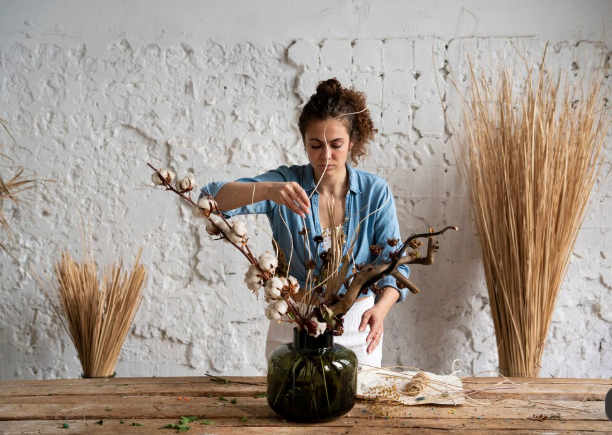
Wood, clay, linen, stone, bamboo, and woven fibers introduce textures that cannot always be replicated through industrial manufacturing.
These materials create visual depth while maintaining a relaxed atmosphere.
For example, a handmade wooden coffee table with uneven edges can become an attractive centerpiece in a minimalist living room. Similarly, linen curtains with natural creases add softness without appearing overly formal.
Combining different organic materials can also create balance. Pairing rough pottery with smooth wooden furniture or textured cushions with simple walls produces an inviting contrast.
The goal is not to make everything match perfectly but to establish harmony through natural variation.
Mixing Handmade Pieces With Modern Interiors
Handmade decor does not require abandoning contemporary design. In fact, combining handcrafted objects with modern furnishings can create visually interesting spaces.
A clean, contemporary living room can benefit from a handmade ceramic lamp, a woven rug, or an irregularly shaped mirror.
These items soften sharp architectural lines and introduce a more human element into the environment.
The key is thoughtful placement. Rather than filling every corner with decorative objects, selecting a few distinctive handmade pieces allows their textures and craftsmanship to stand out.
Neutral color palettes can provide an excellent background for handcrafted decorations, while earthy tones such as terracotta, olive green, warm beige, and muted brown enhance their organic appearance.
Sustainability and Conscious Decorating
Handmade home decor can also support more thoughtful consumption.
Many artisans work with locally sourced materials, traditional production methods, or reclaimed resources. Choosing these products may help support skilled craftspeople and preserve valuable creative traditions.
However, handmade does not automatically mean environmentally friendly. Materials, manufacturing methods, transportation, and durability all influence a product’s environmental impact.
Selecting well-made, long-lasting pieces and purchasing only what is genuinely needed can contribute to a more responsible decorating approach.
Repairing older furniture, reusing decorative objects, and appreciating natural wear are additional ways to reduce unnecessary consumption.
Creative Ways to Introduce Imperfect Decor
Creating a home that celebrates handmade beauty does not require an expensive renovation. Small changes can make a significant difference.
Consider introducing these elements:
- Handcrafted ceramics: Display unique bowls, mugs, and vases with natural glazing variations.
- Woven textiles: Add handmade rugs, cushions, or wall hangings for warmth and texture.
- Reclaimed wooden furniture: Choose pieces with visible grain, knots, and distinctive finishes.
- Artisan lighting: Incorporate handmade lamps with ceramic, wood, or woven shades.
- Vintage accessories: Decorate with carefully selected objects that carry history and character.
- DIY decorations: Create personalized artwork, painted planters, or simple handcrafted accessories.
These additions encourage creativity while allowing each room to develop its own identity.
Creating a Home That Tells Your Story
The most memorable interiors often reflect the people who live within them.
A home filled with meaningful objects, personal discoveries, and handcrafted details can feel more welcoming than one designed entirely around current trends.
Imperfection also creates freedom. Homeowners can experiment with colors, materials, and arrangements without worrying about achieving a perfectly coordinated appearance.
Over time, a collection of handmade objects can become a visual record of experiences, interests, and relationships.
Conclusion
Exploring the beauty of imperfect and handmade home decor reveals a different perspective on interior design. True elegance does not always come from flawless surfaces, expensive furnishings, or matching accessories.
Sometimes, it emerges from an uneven ceramic vase, a weathered wooden table, or a carefully woven textile.
By embracing craftsmanship, natural materials, and meaningful imperfections, homeowners can create spaces that feel authentic, comfortable, and timeless. Ultimately, the beauty of handmade decor lies in celebrating individuality and recognizing that imperfection often makes a home truly special.