Introduction
Lighting is one of the most powerful elements of interior design, yet it is often overlooked when decorating a home. The right lighting can make a small room feel spacious, turn a plain living area into a welcoming retreat, or transform a bedroom into a peaceful sanctuary. Rather than relying on a single overhead fixture, layered lighting combines different light sources to create depth, balance, and visual interest.
Understanding how layered lighting works allows homeowners to design spaces that are both functional and visually appealing. With a thoughtful combination of ambient, task, and accent lighting, virtually any room can achieve a more comfortable and inviting atmosphere.
Understanding the Three Layers of Lighting
Layered lighting involves using multiple types of illumination within the same space. Each layer serves a specific purpose while contributing to the overall atmosphere.
Ambient Lighting: This is the primary source of illumination in a room. Ceiling fixtures, recessed lights, and chandeliers provide general brightness, allowing people to move comfortably and safely.
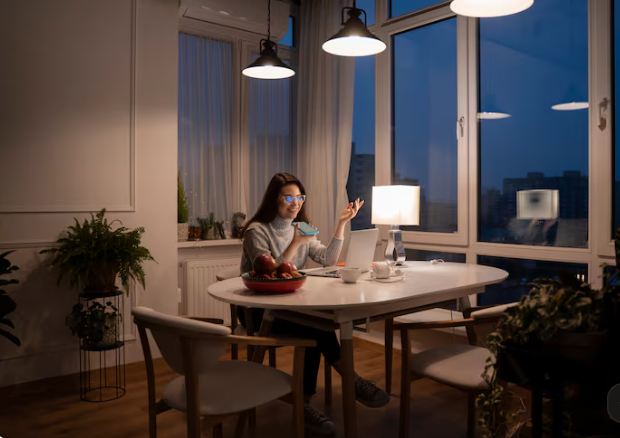
Task Lighting: Task lighting focuses illumination on specific activities such as reading, cooking, studying, or working. Desk lamps, under-cabinet lights, and bedside reading lamps are common examples.
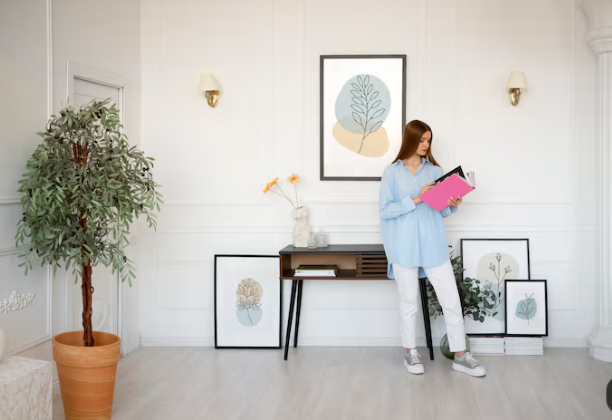
Accent Lighting: Accent lighting highlights decorative elements, architectural details, or artwork. Wall sconces, picture lights, and LED strips help create visual depth and personality.
Combining these three layers produces a flexible lighting arrangement that supports different activities and moods.
Creating a Warm and Welcoming Living Room
The living room serves multiple purposes, from entertaining guests to relaxing after a long day. A layered lighting arrangement makes it easier to adapt the atmosphere to different occasions.
Start with soft overhead lighting to provide general illumination. Add table lamps or floor lamps near seating areas for reading and conversation. Accent lights can highlight artwork, bookshelves, or textured walls.
Warm-toned bulbs can make the space feel cozy, while dimmable fixtures allow homeowners to adjust brightness throughout the evening.
The result is a living room that feels welcoming without being excessively bright.
Transforming Bedrooms Into Relaxing Retreats
Bedrooms benefit greatly from carefully planned lighting because they are spaces dedicated to rest and relaxation.
Harsh overhead lighting can create an uncomfortable atmosphere, especially before bedtime. Instead, combine dimmable ceiling lights with soft bedside lamps and subtle accent lighting.
Wall-mounted reading lights are particularly useful because they provide focused illumination without disturbing the entire room.
Indirect lighting behind a headboard or beneath furniture can also introduce a gentle glow that enhances the room’s peaceful character.
Choosing warmer light tones during the evening can support a more relaxing environment.
Improving Kitchen Functionality and Style
Kitchens require effective lighting because they involve food preparation, cleaning, and other detailed activities.
Ambient ceiling lights establish overall brightness, while under-cabinet LED strips illuminate countertops and reduce shadows during meal preparation.
Pendant lights above kitchen islands provide additional illumination while serving as decorative features.
Accent lighting inside glass cabinets or along open shelving can highlight dishes and decorative objects.
This combination ensures the kitchen remains practical while gaining a polished and contemporary appearance.
Making Small Spaces Feel Larger
Layered lighting can visually expand compact rooms by eliminating dark corners and distributing illumination across multiple surfaces.
Wall sconces and upward-facing lights draw attention toward vertical spaces, making ceilings appear higher.
Strategically positioned lamps can brighten previously neglected areas, while indirect lighting creates a softer transition between walls and furniture.
Mirrors placed near light sources can further enhance brightness by reflecting illumination throughout the room.
These techniques make smaller interiors feel more open without requiring structural modifications.
Using Color Temperature to Influence Mood
The color temperature of lighting plays an important role in determining how a room feels.
Warm white lighting, generally around 2700K to 3000K, creates a comfortable atmosphere suitable for bedrooms and living rooms.
Neutral white lighting, often around 3500K to 4000K, works well in kitchens, bathrooms, and multipurpose spaces where clarity is important.
Cooler lighting may be useful in certain work environments, but excessive use can make residential spaces feel sterile.
Selecting appropriate color temperatures helps maintain harmony between different lighting layers.
Incorporating Smart Lighting Technology
Modern smart lighting systems make layered illumination easier to control.
Smart bulbs, dimmers, and programmable lighting scenes allow homeowners to adjust brightness and, with compatible bulbs, color temperature according to their needs.
For example, a living room can feature brighter lighting during gatherings and softer illumination for movie nights.
Automated schedules can also gradually reduce brightness in the evening, improving convenience and reducing unnecessary energy consumption.
Smart lighting provides flexibility without requiring major interior renovations.
Avoiding Common Lighting Mistakes
An effective lighting design requires balance. Too many bright fixtures can create glare, while insufficient illumination makes everyday activities difficult.
Avoid placing every light source at the same height. Instead, combine ceiling fixtures, wall-mounted lights, and table lamps to introduce variety.
Consider furniture placement, natural daylight, and the purpose of each area before choosing fixtures.
Using compatible dimmers and energy-efficient LED bulbs can further improve comfort and efficiency.
Conclusion
Layered lighting is a practical and creative way to transform the atmosphere of any room. By combining ambient, task, and accent lighting, homeowners can improve functionality, highlight decorative features, and create inviting environments.
Whether designing a cozy bedroom, an elegant living room, or a functional kitchen, thoughtful lighting choices can dramatically enhance the overall experience of a space. The key is balancing brightness, placement, and color temperature to achieve an interior that feels comfortable, adaptable, and beautifully illuminated.
Add a practical room-by-room lighting planInclude a simple lighting selection checklist
Read more: How Behavioral Biases Influence Everyday Financial Decisions