Introduction
Modern car ownership is undergoing a major transformation as advanced technologies make vehicles smarter, safer, and easier to maintain. One of the most significant developments is predictive maintenance, a technology-driven approach that helps identify potential mechanical problems before they become serious.
Unlike traditional maintenance schedules that rely on mileage or fixed service intervals, predictive maintenance uses real-time vehicle data, sensors, and intelligent algorithms to monitor a car’s condition. This innovation is changing how drivers manage repairs, control expenses, and maintain vehicle performance.
What Is Predictive Maintenance?
Predictive maintenance is a proactive vehicle maintenance strategy that uses information collected from various automotive systems to anticipate mechanical failures.
Modern vehicles contain numerous sensors that monitor engine temperature, battery performance, oil condition, tire pressure, and other essential components. These sensors generate information that can be analyzed to identify unusual patterns or early warning signs.
For example, if a vehicle’s battery begins showing abnormal voltage fluctuations, a predictive system may alert the driver before the battery fails completely.
This approach allows vehicle owners to address potential problems early rather than waiting for unexpected breakdowns.
How Predictive Maintenance Technology Works
Predictive maintenance combines several technologies to evaluate vehicle health and determine when repairs may be necessary.
1. Advanced Vehicle Sensors
Smart sensors continuously collect information about critical automotive components. They track operating temperatures, vibration levels, fluid conditions, and electrical performance.
These measurements help identify changes that may indicate developing mechanical problems.
2. Artificial Intelligence and Machine Learning
Artificial intelligence analyzes large amounts of vehicle information to recognize patterns associated with component wear or failure.
Machine learning algorithms can compare current performance with historical data to estimate when specific parts might require attention.
As these systems process more information, their predictions can become increasingly accurate.
3. Connected Vehicle Technology
Connected vehicles can transmit diagnostic information to manufacturers, service centers, or mobile applications.
Drivers may receive maintenance notifications directly on their smartphones, allowing them to schedule inspections before problems escalate.
However, predictive capabilities vary depending on the vehicle model, available sensors, and manufacturer software.
Major Benefits of Predictive Maintenance for Car Owners
Reduced Unexpected Breakdowns
One of the greatest advantages of predictive maintenance is its ability to identify developing problems before they cause major vehicle failures.
Early warnings about battery deterioration, cooling system irregularities, or engine performance issues can help drivers avoid unexpected roadside emergencies.
Lower Long-Term Repair Costs
Major automotive repairs often begin with smaller mechanical issues that gradually worsen.
Predictive maintenance enables drivers to address problems earlier, potentially preventing expensive secondary damage.
For example, identifying abnormal engine temperatures may help prevent overheating-related damage if the underlying issue is repaired promptly.
Improved Vehicle Safety
Vehicle safety depends heavily on the condition of essential components.
Predictive monitoring can support safer driving by identifying unusual conditions affecting tires, braking systems, and other important components.
Although this technology does not replace professional inspections, it provides an additional layer of vehicle monitoring.
Longer Vehicle Lifespan
Vehicles that receive timely maintenance generally have a better opportunity to maintain reliable performance over extended periods.
Predictive systems encourage informed maintenance decisions, helping owners reduce unnecessary wear and protect critical mechanical components.
Greater Convenience
Traditional vehicle maintenance often requires drivers to remember service schedules and recognize unusual symptoms.
Predictive maintenance simplifies this process through automated notifications and personalized maintenance recommendations.
Drivers can plan service appointments more conveniently instead of responding to unexpected mechanical failures.
Predictive Maintenance and Electric Vehicles
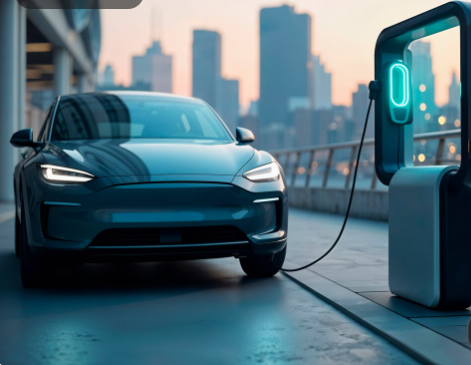
Electric vehicles are also benefiting from predictive maintenance technology.
Because EVs depend heavily on batteries, electric motors, and sophisticated electronics, monitoring these systems is particularly important.
Predictive algorithms can analyze battery temperature, charging behavior, and performance trends to identify potential problems.
This information may help owners understand battery health, optimize charging practices, and maintain efficient vehicle operation.
As electric vehicle adoption expands, predictive maintenance is expected to become increasingly important in managing battery performance and ownership costs.
Challenges Facing Predictive Maintenance
Despite its advantages, predictive maintenance still faces several limitations.
Advanced monitoring systems require reliable sensors, accurate data, and sophisticated software. Incorrect readings or incomplete information may generate unnecessary warnings or overlook developing problems.
Additionally, connected vehicle services can raise concerns about data privacy, cybersecurity, and subscription costs.
Not every vehicle supports comprehensive predictive maintenance, and some features may remain limited to premium models.
Therefore, drivers should view predictive technology as a helpful maintenance tool rather than a complete replacement for routine servicing.
The Future of Smart Vehicle Maintenance
The automotive industry is moving toward increasingly connected and intelligent maintenance systems.
Future vehicles may automatically communicate diagnostic information to authorized service centers, recommend appropriate repairs, and assist with appointment scheduling.
Advanced artificial intelligence could also improve failure predictions by analyzing driving habits, environmental conditions, and component performance.
These developments may create a more personalized ownership experience, where maintenance decisions depend on actual vehicle conditions rather than mileage alone.
Conclusion
Predictive maintenance is reshaping modern car ownership by making vehicle care more proactive, convenient, and data-driven.
Through intelligent sensors, artificial intelligence, and connected automotive technology, drivers can receive earlier warnings about potential mechanical problems and make better maintenance decisions.
Although challenges involving accuracy, cost, and data privacy remain, predictive maintenance offers meaningful opportunities to improve reliability, reduce unexpected expenses, and extend vehicle lifespan.
As automotive technology continues to evolve, predictive maintenance is likely to become an increasingly valuable feature of everyday vehicle ownership.
Read more: The Rise of Immersive Art Spaces Beyond Traditional Galleries