
Introduction
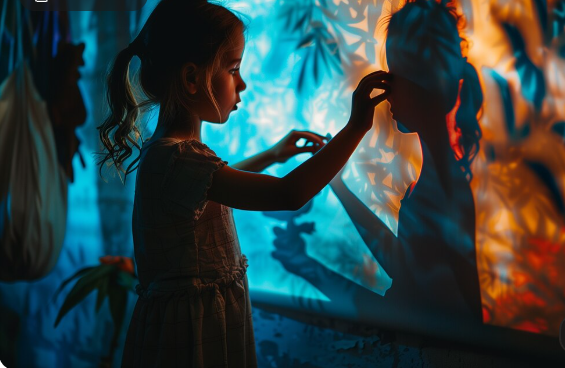
Memory and artistic expression share a powerful relationship that influences how individuals understand their experiences and communicate emotions. Throughout history, artists have transformed personal memories, cultural traditions, and historical events into meaningful creative works. Whether through painting, music, sculpture, photography, or literature, memories provide inspiration that connects the past with the present.
Artistic expression allows individuals to revisit significant moments, reinterpret experiences, and communicate feelings that words alone may struggle to describe. Understanding this relationship reveals how creativity preserves personal identity, strengthens emotional connections, and shapes cultural understanding.
How Memory Influences Artistic Creativity
Memory plays an essential role in the creative process. Artists frequently draw inspiration from childhood experiences, meaningful relationships, familiar environments, and important life events. These memories become the foundation for original artistic ideas.
However, artistic creativity does not simply reproduce the past. Human memory is reconstructive, meaning people often remember events through changing emotions, perspectives, and interpretations.
An artist recalling a childhood home might exaggerate certain colors, architectural details, or lighting conditions to communicate the emotional significance of that environment.
This transformation allows personal experiences to become imaginative works that resonate with broader audiences.
Emotional Memory as a Source of Inspiration
Emotions strongly influence which experiences people remember and how they express those memories creatively.
Feelings such as happiness, grief, nostalgia, fear, and love frequently inspire powerful artistic compositions. Artists may use particular colors, textures, musical arrangements, or symbolic imagery to communicate emotions associated with specific memories.
For example, a painter remembering a peaceful summer afternoon might use warm colors and gentle brushstrokes to recreate the atmosphere of that moment.
Similarly, a musician might compose a reflective melody inspired by the loss of a loved one.
Through artistic expression, emotional memories become tangible experiences that others can interpret and appreciate.
The Relationship Between Memory and Personal Identity
Personal identity develops through accumulated experiences, relationships, and memories. Art provides a meaningful way for individuals to explore these elements and understand their evolving sense of self.
Self-portraits, autobiographical writing, photography collections, and personal installations often reflect significant chapters of an artist’s life.
These creative works allow individuals to examine how past experiences influence their present identities.
Artists may also revisit difficult memories to understand personal growth, changing relationships, or important transitions.
By transforming memories into artistic compositions, creators establish connections between their past experiences and current perspectives.
Cultural Memory and Artistic Traditions
Beyond individual experiences, memory also operates collectively within communities and societies.
Cultural memory includes shared traditions, historical experiences, folklore, rituals, and stories passed between generations.
Art plays a crucial role in preserving these collective memories.
Traditional paintings, historical monuments, folk music, and cultural performances help communities maintain connections with their heritage.
For example, indigenous artistic traditions often incorporate symbols, patterns, and storytelling techniques that communicate ancestral knowledge.
Contemporary artists may reinterpret these traditions using modern materials and techniques, creating conversations between historical identity and present-day culture.
Such artistic practices demonstrate how memory contributes to cultural continuity while allowing traditions to evolve.
How Different Art Forms Represent Memory
Different artistic mediums provide unique opportunities for exploring memory.
Painting and Visual Art: Artists use colors, textures, compositions, and symbolism to represent remembered environments and emotional experiences.
Photography: Photographs preserve visual moments while encouraging viewers to reflect on relationships, historical events, and personal experiences.
Music: Familiar melodies can trigger vivid autobiographical memories and emotional associations, sometimes recalling experiences from many years earlier.
Literature: Writers transform personal and collective memories into narratives that explore identity, relationships, and historical understanding.
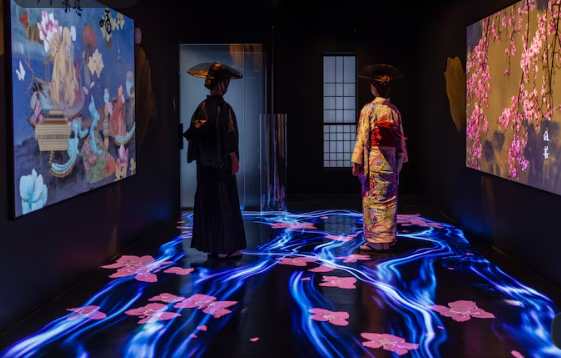
Sculpture and Installation Art: Three-dimensional compositions allow artists to represent fragmented memories, physical spaces, and emotional connections through tangible materials.
Each medium offers different possibilities for transforming remembered experiences into meaningful artistic communication.
Memory, Imagination, and Creative Reconstruction
One fascinating aspect of artistic expression is the relationship between memory and imagination.
Memories are rarely perfect recordings of past events. Instead, they are influenced by emotions, time, and changing interpretations.
Artists frequently combine actual experiences with imagined details to create works that communicate deeper emotional truths.
A landscape painting, for instance, might incorporate elements from several remembered locations rather than representing one exact place.
This blending of memory and imagination expands creative possibilities and encourages experimentation.
It also demonstrates that artistic expression can communicate the personal meaning of an experience without reproducing every factual detail.
The Therapeutic Potential of Memory-Based Art
Memory-inspired creativity can also support emotional reflection and personal well-being.
Activities such as journaling, painting, collage-making, and expressive drawing provide opportunities to examine meaningful experiences.
For some individuals, these activities help organize complicated emotions and encourage self-understanding.
Structured art therapy, conducted by qualified professionals, may also help people explore memories and psychological experiences in a supportive environment.
However, creative activities affect individuals differently, and revisiting difficult memories can sometimes produce emotional discomfort.
The value of memory-based artistic expression often lies in providing another method for exploring experiences and communicating feelings.
Conclusion
The connection between memory and artistic expression reveals how deeply creativity is influenced by human experience. Personal recollections, emotional associations, and shared cultural histories provide valuable inspiration across artistic disciplines.
By transforming memories into paintings, music, literature, and other creative forms, artists preserve meaningful experiences while giving them new interpretations.
Ultimately, artistic expression does more than represent the past. It allows individuals and communities to reinterpret memories, explore identity, and build emotional connections that extend across generations.
Read more: 25 Best Pitcher Drinks for Parties and Gatherings

3 comments