If you own, rent, buy, or manage property, plumbing fixtures affect more than daily convenience. They shape utility costs, maintenance schedules, inspection results, and even how a space feels during a showing. Faucets, toilets, showerheads, sinks, and valves all influence how well a property functions and how much attention it needs over time. You don’t need a full remodel to make smart decisions, but you do need to know what matters.
Fixtures Do More Work Than Most People Notice
When you think about property upgrades, your mind may jump to flooring, paint, or curb appeal. Plumbing fixtures rarely get the spotlight, yet they influence function every single day. Faucets, showerheads, toilets, shutoff valves, sinks, and garbage disposals all sit in the category that buyers and tenants use immediately and judge quickly.
A dripping lavatory faucet can signal deferred maintenance. A loose kitchen fixture can make a whole room feel older than it is. On the other hand, smooth water pressure, clean finishes, and properly aligned hardware create a quiet sense of reliability.
In real estate terms, fixtures support perceived condition. They don’t usually headline a listing, but they often shape the in-person reaction. That matters whether you’re trying to keep good tenants, prep a home for sale, or reduce service calls in a rental.
The Fixture Upgrades That Make Practical Sense
You don’t need luxury hardware everywhere. You need fixtures that match the property’s use case. In a primary residence, comfort and durability usually matter most. In a rental, standardized parts and easy maintenance often beat trendy design.
WaterSense-labeled toilets and bathroom sink faucets can lower water consumption without making daily use feel restricted. Pull-down kitchen faucets are popular for a reason: they improve functionality during cooking and cleanup. Pressure-balanced shower valves also deserve more attention because they help stabilize temperature, which improves safety and user experience.
If you’re evaluating repair versus replacement, compare labor costs too. Rebuilding an aging faucet may sound cheaper, but repeated service calls can erase those savings quickly. Professional plumbing fixture services can help when you need installation, replacement, or troubleshooting tied to actual fixture performance rather than guesswork.
What Wears Out First in Real-World Properties
Not all fixtures fail in dramatic ways. Most decline slowly. Cartridges wear down, seals harden, mineral deposits build inside aerators, and mounting points loosen from repeated use. Hard water and regular moisture exposure can accelerate corrosion or clogging, especially in older properties.
Kitchen faucets often take the most abuse because they handle constant on-off cycles, grease exposure, and cleaning chemicals. Toilets usually show problems through ghost flushing, weak refill performance, or leaks around the base. Shower valves can become inconsistent, shifting from comfortable temperature control to sudden bursts of hot or cold water.
If you manage a property, these are not cosmetic annoyances. They affect water bills, create tenant complaints, and sometimes point to wider plumbing stress. Fixture deterioration also tends to stack up. One ignored leak often turns into cabinet swelling, grout damage, or mold concerns nearby.
Why Fixture Quality Matters During Sales and Inspections
During a showing, people test things. They turn handles, flush toilets, and check under sinks. Even if they aren’t plumbing experts, they notice wobble, noise, staining, and low pressure. Those details can feed a larger impression that the property has hidden maintenance issues.
Home inspectors look beyond appearance. They check for active leaks, improper installation, drainage issues, and signs of previous water damage. A clean-looking faucet with a bad supply connection can still end up in the report. Once that happens, buyers may ask for concessions or repairs, and a small fixture problem can suddenly affect negotiation leverage.
This is especially relevant in competitive markets where buyers compare multiple homes in one day. A bathroom that feels solid and updated has a better chance of leaving a strong impression than one with dated chrome, persistent drips, or stiff handles.
How to Choose Fixtures Without Creating Future Headaches
Start with compatibility. Not every fixture works well with every sink, countertop, plumbing rough-in, or water pressure setup. Measure hole spacing, check valve type, and confirm finish durability before you buy anything. If you skip that step, returns and installation delays become much more likely.
Next, think about replacement parts. Some designer fixtures look impressive but become a nuisance when cartridges or specialty components are hard to source. Brands with dependable part availability usually make more sense for high-use homes and investment properties.
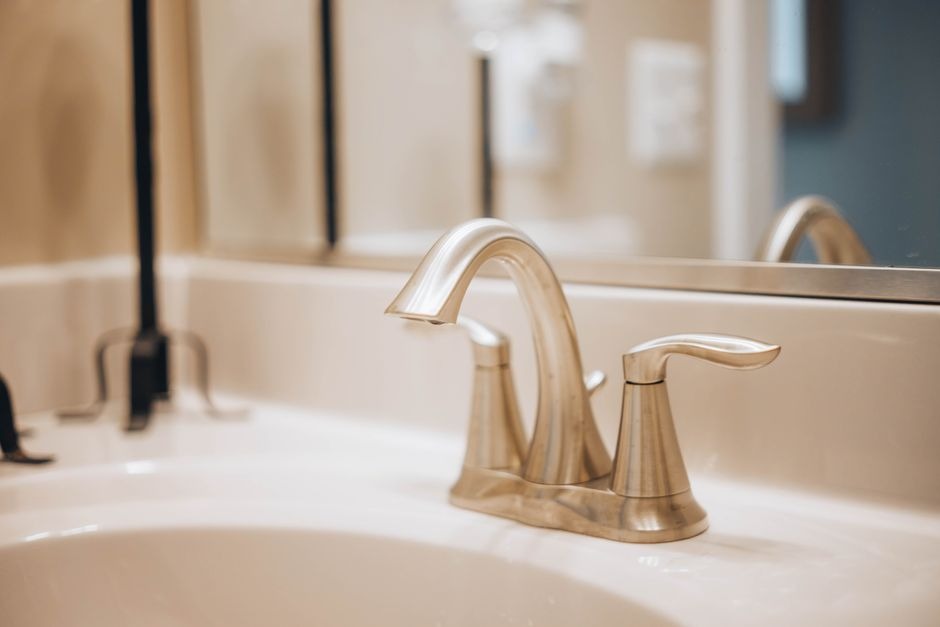
Also pay attention to finish performance. Matte black, brushed nickel, and polished chrome all create different maintenance demands. Water spotting shows faster on some finishes than others, which matters if you want a clean look with less daily upkeep.
A good fixture decision balances aesthetics, serviceability, water efficiency, and expected wear. You’re not just buying a look. You’re buying future maintenance patterns too.
For additional guidance on water-efficient bathroom upgrades, the EPA explains how WaterSense-labeled bathroom faucets can reduce water use while maintaining adequate flow and performance.
A Simple Maintenance Approach That Protects Value
Most fixture problems give warning signs before failure. Build a quick monthly check into your routine. Run faucets for pressure consistency, look for slow drips, inspect supply lines under sinks, and listen for toilets that refill when nobody has used them.
Clean aerators and showerheads if flow starts dropping. Avoid harsh chemical cleaners on decorative finishes because they can damage protective coatings. If a fixture starts loosening, deal with it early before movement damages the sink deck, wall finish, or seal around the base.
The EPA’s WaterSense home maintenance guidance offers practical advice on identifying leaks and maintaining water-efficient plumbing fixtures.
For landlords and homeowners alike, maintenance records help. If you document fixture replacements and repairs, you make future troubleshooting easier and create a clearer service history for buyers or property managers.
Good plumbing fixtures don’t need to be flashy. They need to work well, last under real use, and support the overall condition of the property. When you treat them as infrastructure instead of decoration, you make better decisions and avoid expensive surprises.