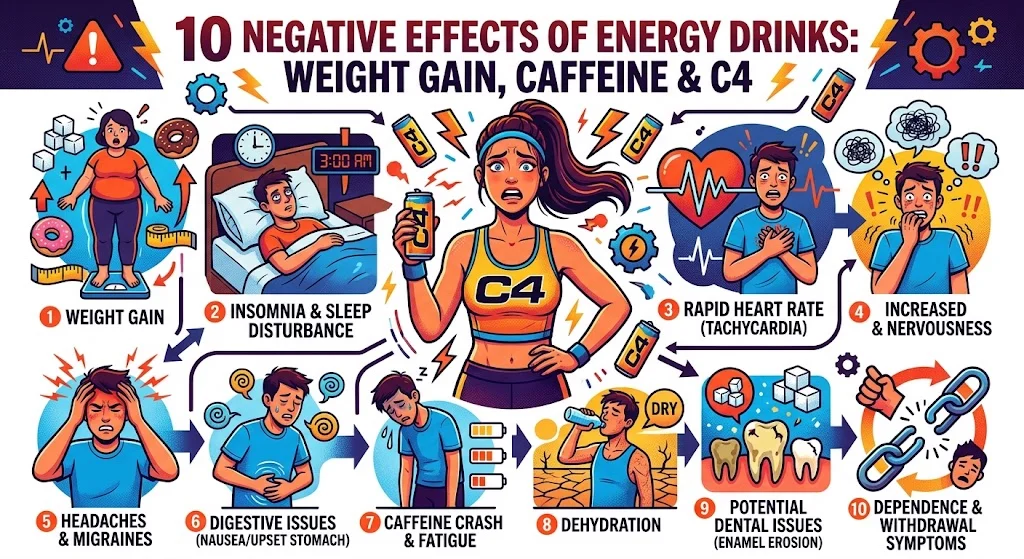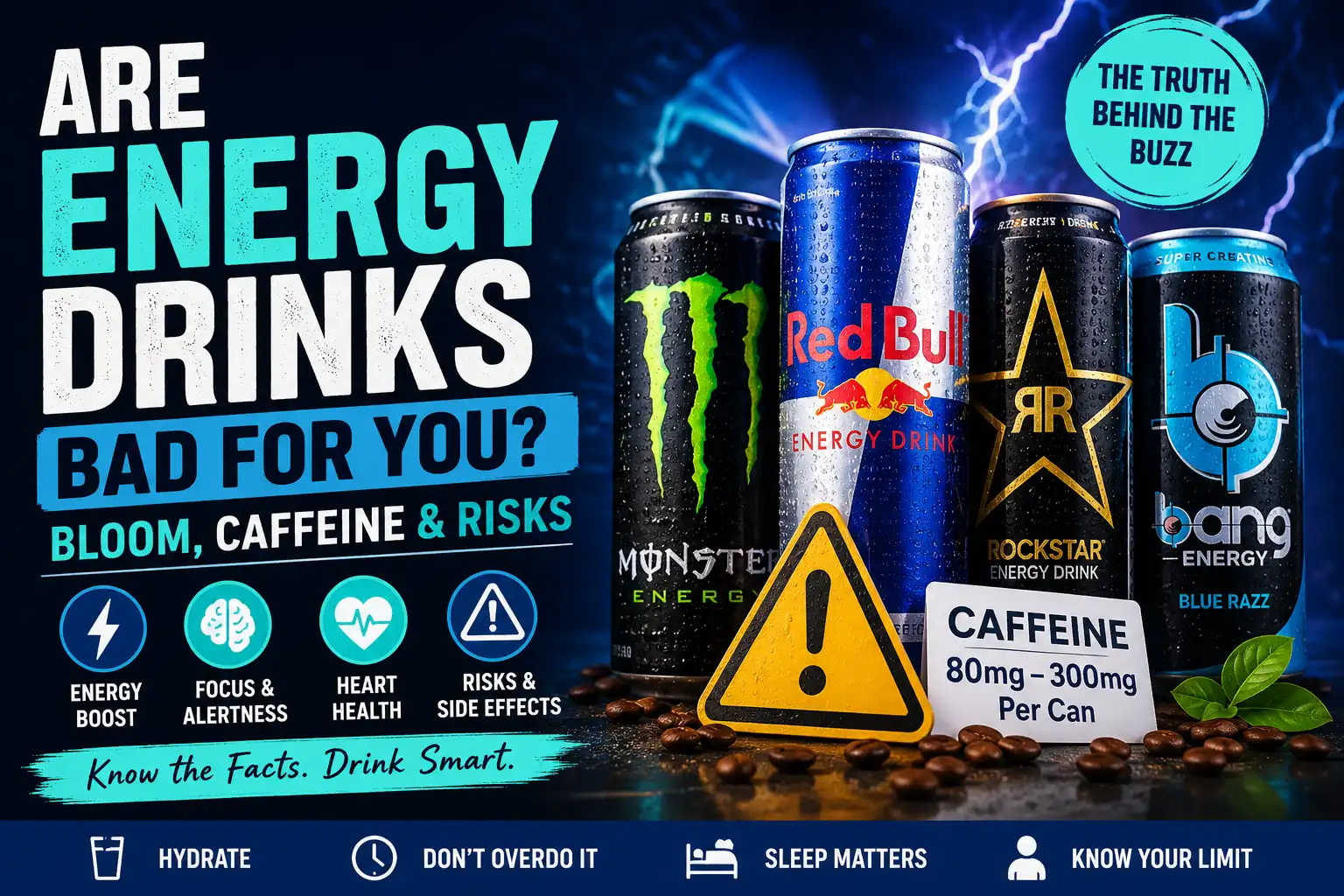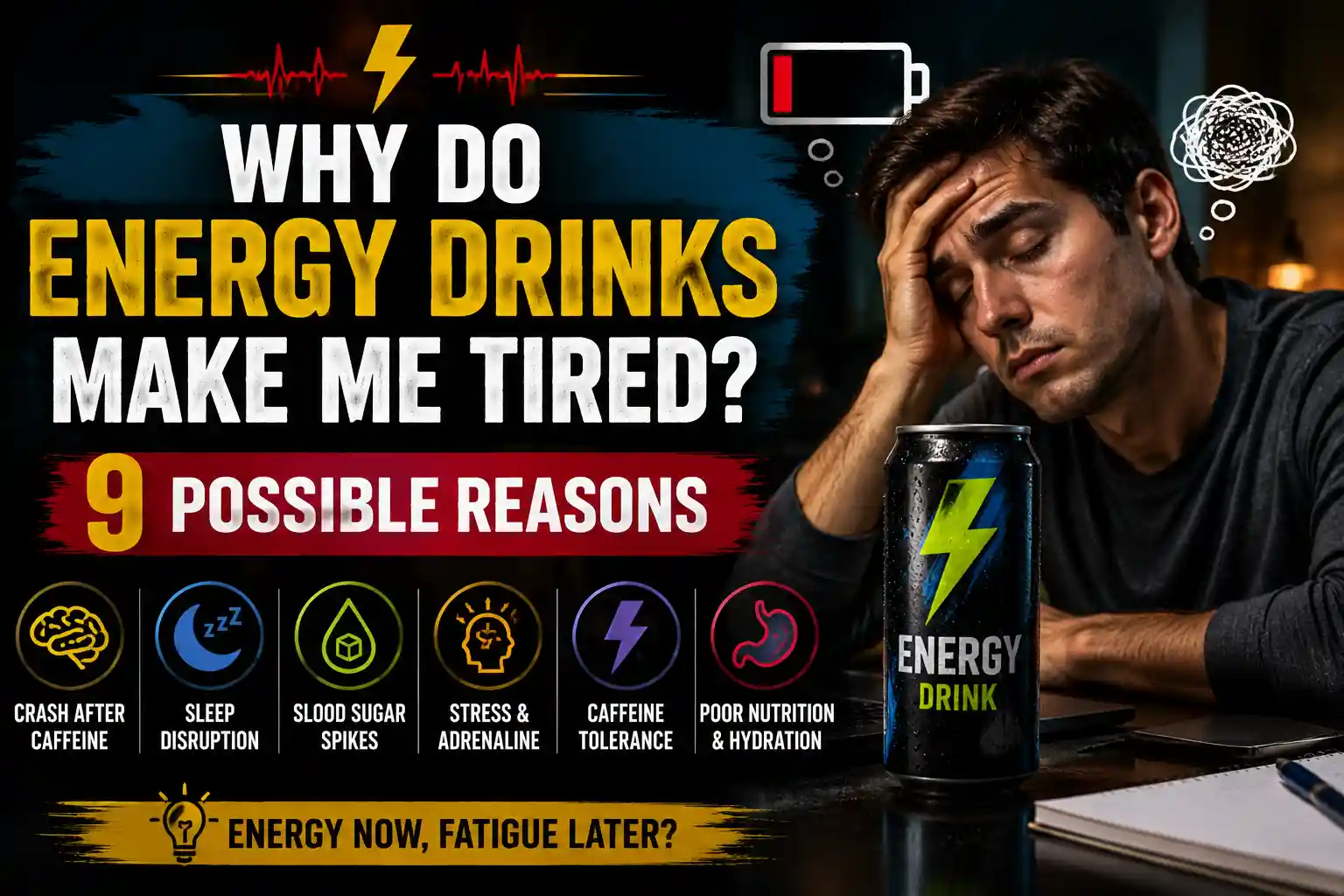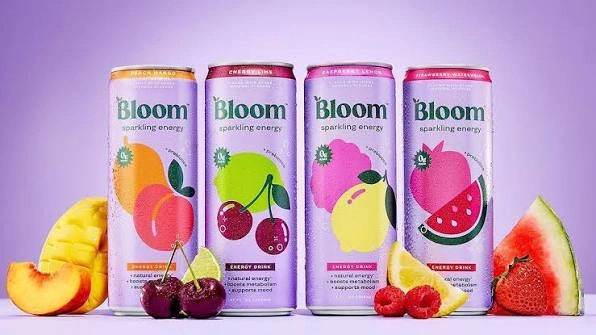
Many people reach for energy drinks when they feel tired, unfocused, or low on motivation. The problem is that many traditional options rely on high sugar, high caffeine, and stacked stimulants, which may cause jitters, crashes, poor sleep, or dehydration-like feelings later in the day.
Healthy energy drinks take a smarter approach. They support alertness with moderate caffeine, lower sugar, hydration-friendly ingredients, protein, fiber, antioxidants, or electrolytes. This guide explains how to choose better options, what to avoid on labels, and which drinks work best for mornings, workouts, work focus, travel, and hot weather.
Quick Answer / TL;DR
Healthy energy drinks are low-sugar beverages that support steady energy without excessive caffeine or heavy stimulants. The best options usually include 40–160 mg caffeine, 0–10 g added sugar, simple ingredients, and hydration or nutrition support from tea, coffee, matcha, coconut water, protein, fiber, or electrolytes.
What Makes Healthy Energy Drinks Different?
A healthy energy drink is not just a canned drink with “natural” on the label. It should help people feel alert without pushing them into a cycle of energy spikes, crashes, cravings, and poor sleep.
The best healthy energy drinks usually focus on four things:
• Moderate caffeine instead of extreme stimulant levels
• Low added sugar instead of syrup-heavy sweetness
• Simple ingredients instead of long stimulant blends
• Hydration or nutrition support from electrolytes, protein, fiber, or tea compounds
In practice, the healthiest choice depends on the situation. A cold brew may work well for a busy morning. A matcha latte may feel better for calm focus. A coconut water drink may fit a hot afternoon. A protein smoothie may work better after exercise.
What is a healthy energy drink?
A healthy energy drink is a beverage that supports alertness, hydration, and daily energy without relying on excessive sugar, oversized caffeine doses, or multiple aggressive stimulants.
Common examples include:
• Unsweetened green tea
• Matcha lattes
• Cold brew with milk
• Coffee protein smoothies
• Coconut water refreshers
• Low-sugar sparkling tea
• Electrolyte drinks with moderate caffeine
• Homemade fruit and tea coolers
How much caffeine should a healthy energy drink have?
For many adults, a useful energy drink contains 40–160 mg of caffeine per serving. This range is enough to support alertness for many people without feeling as intense as large 200–300 mg stimulant drinks.
A practical caffeine guide:
| Drink Type | Typical Caffeine Range | Best Use |
|---|---|---|
| Green tea | 25–50 mg | Light afternoon focus |
| Black tea | 40–70 mg | Morning or lunch energy |
| Matcha | 40–80 mg | Calm focus |
| Coffee | 80–150 mg | Stronger morning alertness |
| Yerba mate | 70–150 mg | Longer work sessions |
| High-caffeine energy drink | 200 mg+ | Use cautiously |
People who are caffeine-sensitive may do better with tea, half-caf coffee, or caffeine-free hydration drinks.
Best Healthy Energy Drinks by Goal
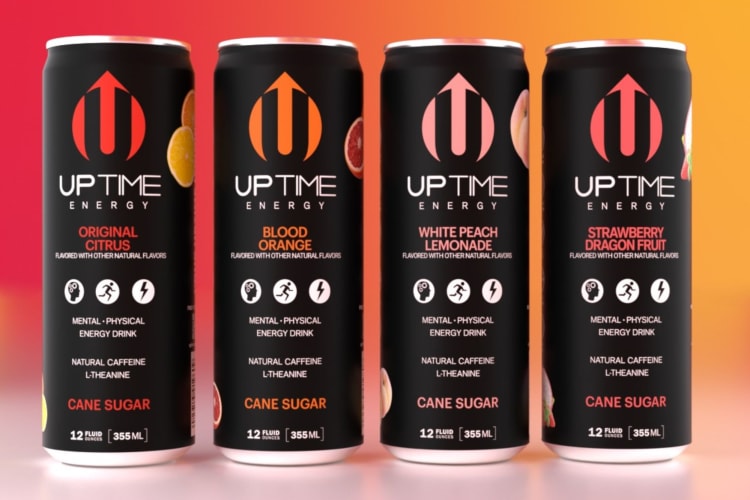
Different goals need different drinks. The best healthy energy drinks for workouts are not always the best options for desk work, long drives, or late afternoons.
| Goal | Best Drink Choice | Why It Works |
| Morning focus | Cold brew with oat milk | Stronger caffeine with smoother flavor |
| Calm concentration | Matcha latte | Caffeine plus L-theanine |
| Light afternoon energy | Green tea with lemon | Gentle caffeine and clean taste |
| Post-workout recovery | Protein smoothie | Adds protein, carbs, and fluid |
| Hot weather hydration | Coconut lime refresher | Light electrolytes and flavor |
| Low-sugar craving | Sparkling tea drink | Crisp taste without heavy syrup |
| Busy breakfast | Oat banana smoothie | Fiber and fullness |
| Travel days | Unsweetened iced tea | Portable and less sweet |
| Caffeine-sensitive users | Herbal citrus cooler | Hydration without stimulation |
The main goal is not maximum stimulation. The goal is steady energy that fits the moment.
Which healthy energy drink is best in the morning?
The best morning option is usually coffee, cold brew, matcha, black tea, or a protein smoothie. These drinks support alertness without requiring heavy sugar.
Good morning choices include:
• Cold brew with oat milk
• Black tea with milk
• Matcha latte with unsweetened almond milk
• Banana coffee smoothie
• Greek yogurt berry smoothie
• Green tea with lemon and breakfast
A drink with protein or fiber often feels steadier than caffeine alone.
Which healthy energy drink is best for afternoon energy?
For afternoons, choose lower caffeine and lower sugar. This helps reduce the risk of sleep disruption later.
Better afternoon options include:
• Green tea with lemon
• Sparkling peach tea
• Iced matcha with milk
• Coconut water with lime
• Herbal tea over ice
• Cucumber mint sparkling water
Avoid high-caffeine cans late in the day, especially if sleep quality is already poor.
How to Choose Healthy Energy Drinks on a Label
A front label can be misleading. Words like clean, natural, zero sugar, plant-based, functional, and wellness do not automatically make a drink healthy.
The nutrition label and ingredient list matter more than marketing claims.
What should bloggers tell readers to check first?
Readers should check these five label points before buying:
• Caffeine per serving
• Added sugar per serving
• Serving size
• Sweetener type
• Stimulant blend
A can may look like one serving but contain more than one serving. Some drinks also stack caffeine with guarana, yerba mate, green coffee extract, or other stimulant sources.
What is a smart label checklist for healthy energy drinks?
Use this simple checklist:
| Label Factor | Better Choice | Use Caution If |
| Caffeine | 40–160 mg | 200 mg+ per can |
| Added sugar | 0–10 g | 20 g+ per can |
| Sweeteners | Light or balanced | Harsh aftertaste or multiple sweeteners |
| Ingredients | Short and clear | Long proprietary blends |
| Electrolytes | Sodium/potassium listed | Vague hydration claims |
| Calories | Fits your goal | Hidden syrup calories |
| Serving size | One clear serving | Multiple servings per can |
A healthier energy drink should be easy to understand. If the label feels confusing, compare it with tea, coffee, or homemade options.
Caffeine, Sugar, and Energy Crashes
Energy crashes often happen when a drink creates a fast spike followed by a hard drop. The most common causes are too much sugar, too much caffeine, poor hydration, and drinking caffeine without food.
High-sugar drinks may feel energizing at first because liquid sugar absorbs quickly. But that energy may fade fast, especially when the drink has little protein, fiber, or fat.
Why do some energy drinks make people tired later?
Some energy drinks can make people tired later because they combine fast sugar, strong caffeine, and little nutrition.
Common reasons include:
• Blood sugar swings
• Caffeine wearing off
• Caffeine tolerance
• Poor sleep from late intake
• Dehydration-like feelings
• Skipping meals and using drinks as food replacements
Based on real-world testing, drinks with protein, fiber, or a balanced meal tend to feel smoother than sweet caffeinated drinks alone.
How much added sugar is too much?
A healthy energy drink should ideally contain 0–10 grams of added sugar per serving. Some people may prefer fully unsweetened drinks, while others can tolerate a small amount of honey, fruit juice, or cane sugar.
Better low-sugar flavor builders include:
• Lemon
• Lime
• Mint
• Ginger
• Cinnamon
• Berries
• Cucumber
• Unsweetened tea
• Sparkling water
The goal is not to remove all flavor. The goal is to avoid turning an energy drink into a dessert.
Best Caffeine Sources for Healthy Energy Drinks
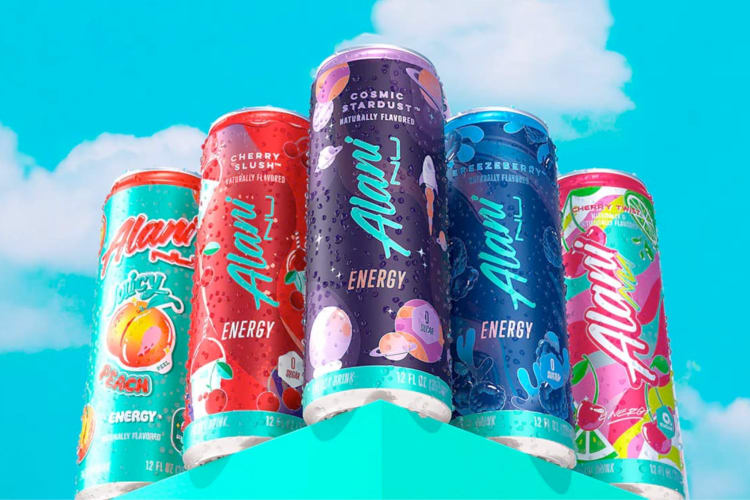
Not all caffeine sources feel the same. Coffee often feels stronger. Tea usually feels lighter. Matcha may feel smoother for some people because it contains caffeine and L-theanine.
Is coffee a healthy energy drink?
Coffee can be a healthy energy drink when it is not overloaded with sugar, whipped cream, or flavored syrups.
Best coffee-based options:
• Black coffee
• Cold brew with milk
• Iced coffee with cinnamon
• Half-caf coffee
• Coffee protein smoothie
• Espresso with unsweetened milk
Coffee works best for people who want a stronger morning boost. It may not be ideal for people who feel anxious, shaky, or wired after caffeine.
Is matcha better than coffee for steady energy?
Matcha may feel steadier than coffee for some people because it contains caffeine plus L-theanine, a tea amino acid linked with calm alertness.
Best matcha options:
• Iced matcha latte with unsweetened milk
• Matcha coconut smoothie
• Matcha citrus spritzer
• Matcha banana protein smoothie
• Hot matcha with cinnamon
Matcha has an earthy flavor. Beginners often like it better with vanilla, oat milk, or blended fruit.
Are tea-based energy drinks healthier?
Tea-based drinks are often among the best healthy energy drinks because they provide moderate caffeine and strong flavor without heavy sugar.
Good tea options include:
• Green tea for light focus
• Black tea for stronger morning energy
• Matcha for smoother concentration
• Chai for spiced comfort
• Hibiscus for caffeine-free tart flavor
• Yerba mate for a stronger herbal caffeine lift
Tea also works well in sparkling drinks, homemade coolers, and low-sugar refreshers.
Low-Sugar Healthy Energy Drinks That Still Taste Good
Low-sugar drinks do not need to taste boring. Flavor comes from acidity, aroma, texture, carbonation, herbs, spices, and fruit.
The best low-sugar healthy energy drinks use layers of flavor instead of heavy syrup.
How can low-sugar energy drinks taste better?
Use flavor builders that add brightness without adding much sugar.
Try these combinations:
• Lemon + green tea + mint
• Lime + coconut water + sparkling water
• Cold brew + cinnamon + oat milk
• Matcha + vanilla + almond milk
• Hibiscus tea + berries + ice
• Black tea + peach slices + lemon
• Cucumber + mint + sparkling water
• Ginger + lime + iced green tea
A small amount of natural sweetness can help, but avoid using multiple sweeteners in one drink.
What are the best low-sugar energy drink ideas?
Here are simple ideas bloggers can recommend:
• Unsweetened green tea with lemon
• Matcha latte with almond milk
• Cold brew with cinnamon
• Coconut lime refresher
• Blackberry iced tea
• Cucumber mint sparkling tea
• Strawberry Greek yogurt smoothie
• Peach black tea over ice
• Hibiscus berry cooler
• Sparkling yerba mate with lime
These drinks feel lighter than traditional canned energy drinks and can fit daily routines more easily.
Homemade Healthy Energy Drinks
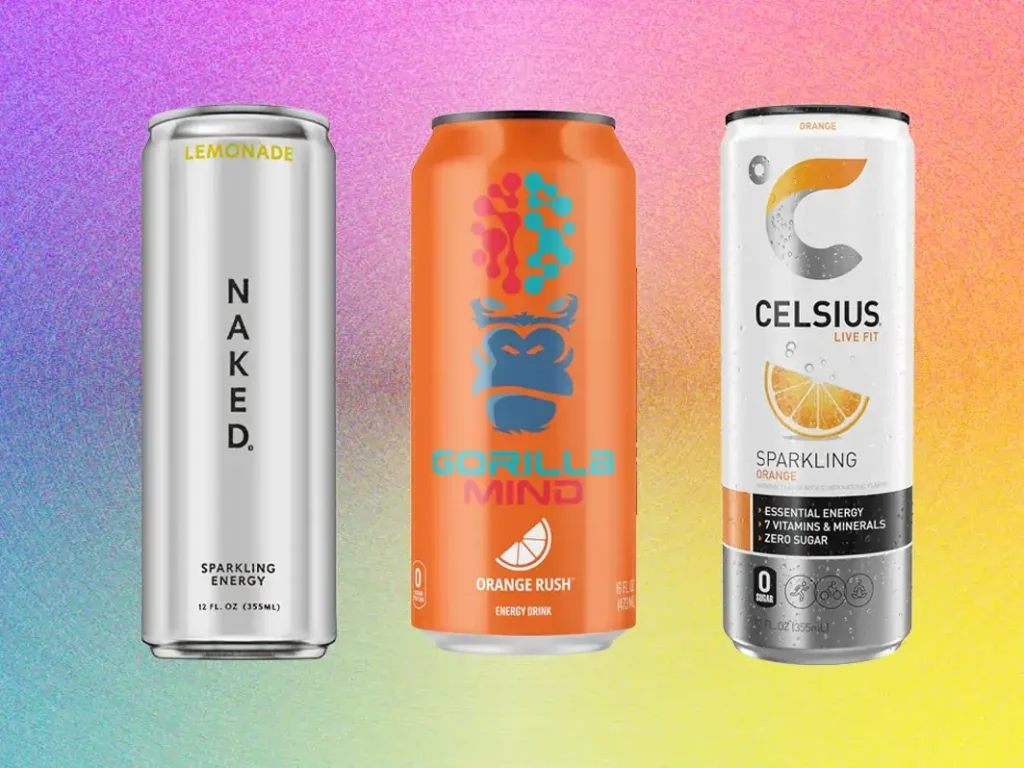
Homemade energy drinks give readers more control over caffeine, sweetness, cost, and ingredients. They also help avoid overly processed flavors.
Below are practical recipes that take only a few minutes.
How do you make a lemon green tea cooler?
Best for: light afternoon energy
Ingredients:
• 1 cup brewed green tea, chilled
• 1 tablespoon lemon juice
• Ice
• Fresh mint
• Optional: 1 teaspoon honey
Method:
• Brew green tea and let it cool.
• Add lemon juice and mint.
• Pour over ice.
• Add a small amount of honey if needed.
Why it works: Green tea provides gentle caffeine, while lemon and mint make it taste refreshing without heavy sugar.
How do you make a banana coffee smoothie?
Best for: busy mornings
Ingredients:
• 1 small banana
• ¾ cup cold brew coffee
• ½ cup milk of choice
• 2 tablespoons oats
• 1 scoop protein powder or Greek yogurt
• Ice
Method:
• Blend everything until smooth.
• Add more milk if needed.
• Drink with breakfast or as a light meal replacement.
Why it works: Coffee adds alertness, while banana, oats, and protein help improve fullness.
How do you make a coconut lime refresher?
Best for: hot weather and light hydration
Ingredients:
• 1 cup coconut water
• 1 tablespoon lime juice
• ½ cup sparkling water
• Ice
• Optional: sliced cucumber or mint
Method:
• Combine coconut water and lime.
• Add ice.
• Top with sparkling water right before serving.
Why it works: Coconut water provides a lighter electrolyte base, while lime keeps the drink crisp.
How do you make a matcha mango smoothie?
Best for: calm focus
Ingredients:
• 1 teaspoon matcha powder
• ½ cup frozen mango
• ½ banana
• ¾ cup milk of choice
• ½ cup Greek yogurt
• Ice
Method:
• Whisk matcha with a small amount of warm water.
• Blend with mango, banana, milk, yogurt, and ice.
• Serve cold.
Why it works: Matcha provides caffeine and tea compounds, while yogurt adds protein.
How do you make a sparkling black tea energy drink?
Best for: low-sugar cravings
Ingredients:
• 1 cup strong black tea, chilled
• ½ cup sparkling water
• Lemon juice
• Ice
• Fresh berries
Method:
• Brew black tea stronger than usual.
• Chill it fully.
• Pour over ice with lemon and berries.
• Top with sparkling water.
Why it works: Black tea gives a stronger tea base, while carbonation makes the drink feel more satisfying.
Best Healthy Energy Drinks for Workouts

Workout energy drinks should match the workout. A short walk does not require the same drink as a long run, heavy lifting session, or outdoor summer workout.
What should people drink before workouts?
Before workouts, choose drinks that feel light and digest well.
Good pre-workout options include:
• Matcha with water or milk
• Green tea over ice
• Cold brew with a small snack
• Banana smoothie
• Sparkling citrus tea
• Coconut water with lime
Avoid very creamy, high-fat drinks right before intense training. They may feel heavy during movement.
What should people drink after workouts?
After workouts, focus on fluid, protein, and carbohydrates.
Good post-workout options include:
• Banana protein smoothie
• Chocolate coffee protein shake
• Coconut water with fruit
• Greek yogurt berry smoothie
• Oat milk smoothie
• Electrolyte drink with a meal
A post-workout drink should not only stimulate the nervous system. It should help the body refuel.
Best Healthy Energy Drinks for Work, Travel, and Focus
Work and travel drinks need to support focus without causing jitters or bathroom breaks every 20 minutes.
Which drinks are best for desk work?
For desk work, the best healthy energy drinks are steady and not overly sweet.
Good options include:
• Matcha latte
• Green tea with lemon
• Cold brew with milk
• Black tea with cinnamon
• Unsweetened yerba mate
• Sparkling tea drink
For long work sessions, pair caffeine with water and a protein-rich snack.
Which drinks are best for travel?
Travel drinks should be portable, not too sugary, and easy to sip slowly.
Better travel options include:
• Unsweetened bottled tea
• Coconut water
• Low-sugar electrolyte drink
• Cold brew with milk
• Sparkling water with tea
• Homemade iced tea in a bottle
Avoid trying a brand-new high-caffeine drink before a flight, road trip, or long meeting. Unknown caffeine tolerance can create discomfort.
Store-Bought Healthy Energy Drinks
Store-bought drinks can be useful when readers need convenience. The better options are usually lower in added sugar, transparent about caffeine, and made with recognizable caffeine sources.
What should packaged healthy energy drinks include?
Look for:
• Clearly listed caffeine amount
• 0–10 g added sugar
• No oversized stimulant blend
• No confusing serving size
• Moderate calories
• Simple flavor system
• Electrolytes only when useful
Healthy energy drinks do not need a long list of “superfood” claims. A simple tea-based or coffee-based drink can be enough.
Which store-bought energy drinks should people limit?
Readers should be careful with drinks that include:
• 200 mg+ caffeine per can
• Heavy added sugar
• Multiple caffeine sources
• Large cans with unclear servings
• Strong artificial sweetener aftertaste
• “Proprietary energy blend” without clear amounts
• Alcohol and caffeine combinations
The phrase “zero sugar” does not automatically mean the drink is gentle. A zero-sugar drink can still contain a lot of caffeine.
Common Mistakes When Choosing Healthy Energy Drinks
Many people choose energy drinks based on flavor, branding, or viral popularity. That can lead to poor choices.
What mistakes cause energy crashes?
The biggest mistakes include:
• Choosing the highest caffeine drink available
• Ignoring added sugar
• Drinking caffeine instead of eating
• Using energy drinks late at night
• Mixing multiple caffeinated drinks
• Not drinking water
• Trusting “natural” claims without reading labels
In practice, a smaller drink with balanced ingredients often works better than the strongest can in the fridge.
Is more caffeine always better?
No. More caffeine does not always mean better energy. Too much caffeine may lead to jitters, anxiety, poor sleep, headaches, or a faster crash later.
A better strategy is to use the lowest effective caffeine dose. For many people, that means tea, matcha, coffee, or a moderate canned drink.
Myths vs. Facts About Healthy Energy Drinks
Energy drink marketing can confuse readers. These simple myth checks help separate useful options from hype.
| Myth | Fact |
| “Natural caffeine is always safe.” | Natural caffeine can still be too strong. |
| “Zero sugar means healthy.” | Caffeine level and ingredients still matter. |
| “Energy drinks replace sleep.” | They only mask tiredness temporarily. |
| “B vitamins create instant energy.” | B vitamins help metabolism, but they are not magic stimulants. |
| “More caffeine means better focus.” | Too much caffeine can reduce calm concentration. |
| “Sports drinks and energy drinks are the same.” | Sports drinks focus on hydration; energy drinks focus on stimulation. |
The smartest approach is simple: choose drinks that match your body, your schedule, and your caffeine tolerance.
Who Should Be Careful With Energy Drinks?
Healthy energy drinks are not right for everyone. Some people should be more cautious with caffeine and stimulant blends.
Who should limit or avoid energy drinks?
People should speak with a healthcare professional before using caffeinated energy drinks if they are:
• Pregnant or breastfeeding
• Under 18
• Sensitive to caffeine
• Managing anxiety or panic symptoms
• Managing high blood pressure
• Living with heart rhythm concerns
• Taking stimulant medications
• Using sleep medication
• Experiencing frequent insomnia
Children and teens should avoid high-caffeine energy drinks. Adults should also avoid mixing energy drinks with alcohol.
What is the safest daily energy drink habit?
A safer daily habit looks like this:
• Choose moderate caffeine.
• Keep added sugar low.
• Drink water too.
• Avoid caffeine late in the day.
• Pair caffeine with food when needed.
• Track your total caffeine from coffee, tea, soda, chocolate, and supplements.
• Take breaks if tolerance increases.
Healthy energy should support the day, not control it.
Key Takeaways
• Healthy energy drinks should provide steady energy without excessive sugar or stimulant overload.
• The best options usually contain moderate caffeine, low added sugar, and simple ingredients.
• Coffee, tea, matcha, coconut water, smoothies, and sparkling tea can all be healthier choices.
• Drinks with protein, fiber, or electrolytes may feel steadier than sugar-heavy canned drinks.
• Label reading matters more than front-of-can marketing claims.
• People who are caffeine-sensitive, pregnant, under 18, or managing heart or anxiety concerns should be careful with energy drinks.
Frequently Asked Questions
What is the healthiest energy drink?
The healthiest energy drink depends on the person’s caffeine tolerance, sugar goals, and daily routine. Good options include unsweetened green tea, matcha, cold brew with milk, coconut water refreshers, protein smoothies, and low-sugar sparkling tea drinks.
Are healthy energy drinks actually healthy?
Some can be healthier than traditional energy drinks, but the label matters. A better option should have moderate caffeine, low added sugar, clear serving size, and simple ingredients. A drink with high caffeine can still be too stimulating even if it is sugar-free.
What are the best healthy energy drinks for focus?
The best healthy energy drinks for focus include matcha, green tea, black tea, cold brew, and unsweetened yerba mate. Matcha is popular for calm concentration because it contains caffeine and L-theanine.
What healthy energy drink has no sugar?
Unsweetened green tea, black coffee, plain cold brew, unsweetened matcha, sparkling tea, and herbal citrus coolers can contain no added sugar. Always check packaged labels because “low calorie” does not always mean no added sugar.
Are homemade energy drinks better than store-bought ones?
Homemade energy drinks often give better control over sugar, caffeine, and ingredients. They can also cost less. Store-bought drinks are more convenient, but readers should check caffeine, added sugar, serving size, and stimulant blends.
What should people avoid in energy drinks?
People should limit drinks with excessive caffeine, high added sugar, multiple stimulant sources, unclear proprietary blends, heavy syrups, and oversized cans. Drinks that combine caffeine with alcohol should also be avoided.
Is matcha healthier than coffee?
Matcha and coffee can both fit a healthy routine. Matcha may feel smoother for caffeine-sensitive people, while coffee usually gives a stronger caffeine lift. The better choice depends on taste, tolerance, and timing.
Can energy drinks cause crashes?
Yes. Energy crashes can happen when drinks contain high sugar, high caffeine, or little nutrition. Drinks with moderate caffeine, protein, fiber, hydration support, or a balanced snack often feel steadier.
Conclusion
Healthy energy drinks should help people feel alert, hydrated, and steady without depending on extreme caffeine or large sugar loads. The best choices are not always the loudest cans or trendiest labels. They are the drinks that fit your body, your routine, and your tolerance.
For everyday energy, start with simple options like green tea, matcha, coffee, coconut water, sparkling tea, or protein smoothies. Read labels carefully, keep added sugar low, and choose the lowest caffeine amount that works.
A smarter energy drink should support your day, not create the next crash.