A spoonful of honey can be delicate and almost floral, while another can taste dark, woody or pleasantly bitter. Putting several varieties next to one another makes those differences much easier to notice than sampling a single jar on its own.
That is the appeal of a honey flight, a small, deliberately ordered selection of honeys studied side by side. The idea borrows from coffee cuppings and cheese tastings, but the most interesting part is not choosing a winner. It is recognizing how flower sources, climate, harvest methods and texture create distinctive results.
A thoughtful flight should also respect an important boundary. Some unusual honeys, particularly varieties containing naturally occurring toxins, require separate consideration rather than being placed on a communal tasting board. Knowing that distinction is part of appreciating rare honey responsibly.
How a Honey Flight Gets Its Range of Flavors
Floral origin is the clearest place to start. Bees collect nectar from plants growing in particular places and seasons, so a honey described as acacia, orange blossom or buckwheat is not merely a different color of the same sweetener. Each can bring a different aroma, consistency and finish. A useful flight offers contrast without turning into a wall of nearly identical flavors.
Acacia and Orange Blossom for the Opening
Acacia honey is often pale, mild and clean-tasting, with sweetness that does not overwhelm the palate. Orange blossom honey moves in a more aromatic direction, sometimes bringing citrus-floral notes rather than a sharp citrus taste. These two are an approachable first comparison because their lighter profiles leave room to notice subtle differences.
Their exact characteristics still vary by producer and growing conditions. The floral name helps set an expectation, but the jar itself deserves attention before anyone assumes every acacia or orange blossom honey will taste identical.
Tupelo and Fireweed for the Middle
Tupelo honey, associated with parts of the southeastern United States, is prized for its smooth sweetness and distinctive regional origin. Fireweed honey, found in northern and western growing regions, is often lighter in appearance, with a soft floral character. Together they show how geography can shape an ingredient without producing an aggressively strong flavor.
This middle stage is useful for comparing how sweetness lingers. One sample may seem almost buttery, while another appears fresher or more floral. Those observations are tasting impressions, not universal promises about every harvest.
Buckwheat and Heather for a Stronger Finish
Dark buckwheat honey can have a robust, malty or molasses-like character. Heather honey, traditionally associated with moorland landscapes, can be aromatic, assertive and notably thick. These are better placed toward the end, after lighter honeys, because their deeper flavors may overshadow a more delicate sample.
The order gives the palate a sensible progression from gentle to bold. It also makes the closing comparison memorable: two jars can both be called honey while delivering very different experiences.
What a Honey Flight Reveals About Color and Texture
Appearance is a useful clue, but not a definitive quality score. A very light honey can be aromatic; a dark honey can be relatively smooth. Color reflects a mix of floral source, processing and storage conditions, so it should prompt questions rather than immediate judgments
Texture adds another layer. Some honeys flow freely, others are dense or slightly grainy, and certain varieties crystallize sooner than others. Readers interested in how texture influences the way food tastes will recognize why thickness and mouthfeel can change an impression even when two products have similar sweetness.
A honey flight works best when samples are close to room temperature and served in comparable dishes. That keeps differences in vessel or temperature from becoming the main thing the group notices.
How to Arrange a Honey Flight Without Losing the Details
Start with a modest number of ordinary food honeys, usually four to six, rather than filling the table with every jar you can find. Clear labels should name the botanical or geographic origin when the producer provides it. A short note card can capture each person’s impressions without turning the gathering into a formal test.
- Choose a gentle floral honey for the opening sample.
- Include a distinctly different middle variety from a named region.
- Finish with one darker or more assertive honey.
- Use clean tasting spoons and offer plain water between samples.
- Record aroma, sweetness, texture and finish separately.
Small portions are enough for identifying differences, and anyone serving a group should check food allergies and dietary preferences first. Let guests compare notes before revealing any packaging claims, since a premium label or dramatic origin story can influence expectations.
The tasting does not need crackers, cheese or elaborate pairings at the beginning. Those ingredients can be introduced afterward to see how a honey changes alongside salty, creamy or acidic foods. Keeping the first pass simple makes the individual honey easier to understand.
Why Rare Himalayan Honey Stands Apart From a Routine Honey Flight
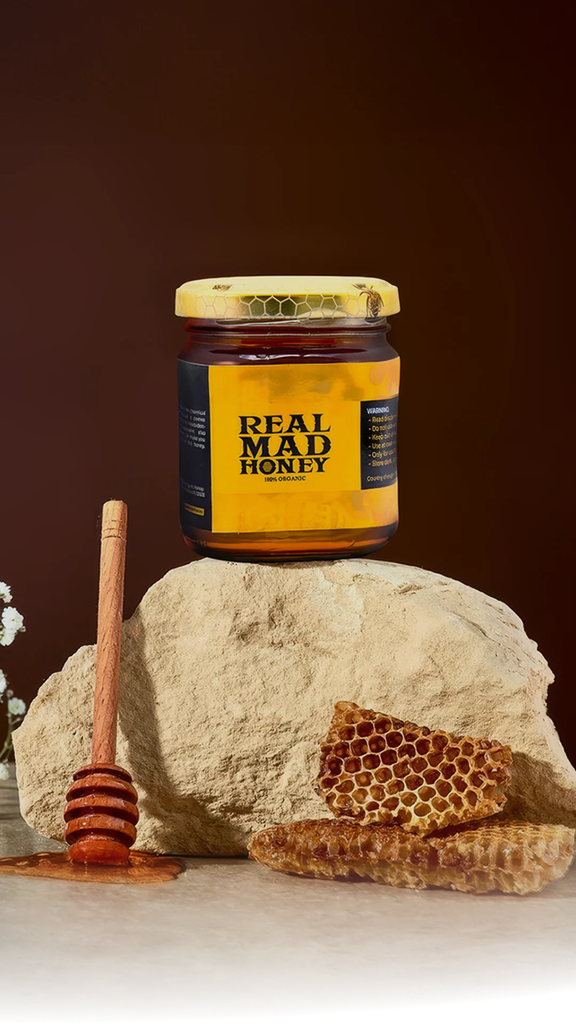
Not every honey described as rare belongs on the same tasting table. Mad honey is a distinct category made when bees forage on certain rhododendron flowers, introducing naturally occurring grayanotoxins. That chemical distinction matters much more than whether the honey looks appealing in a jar.
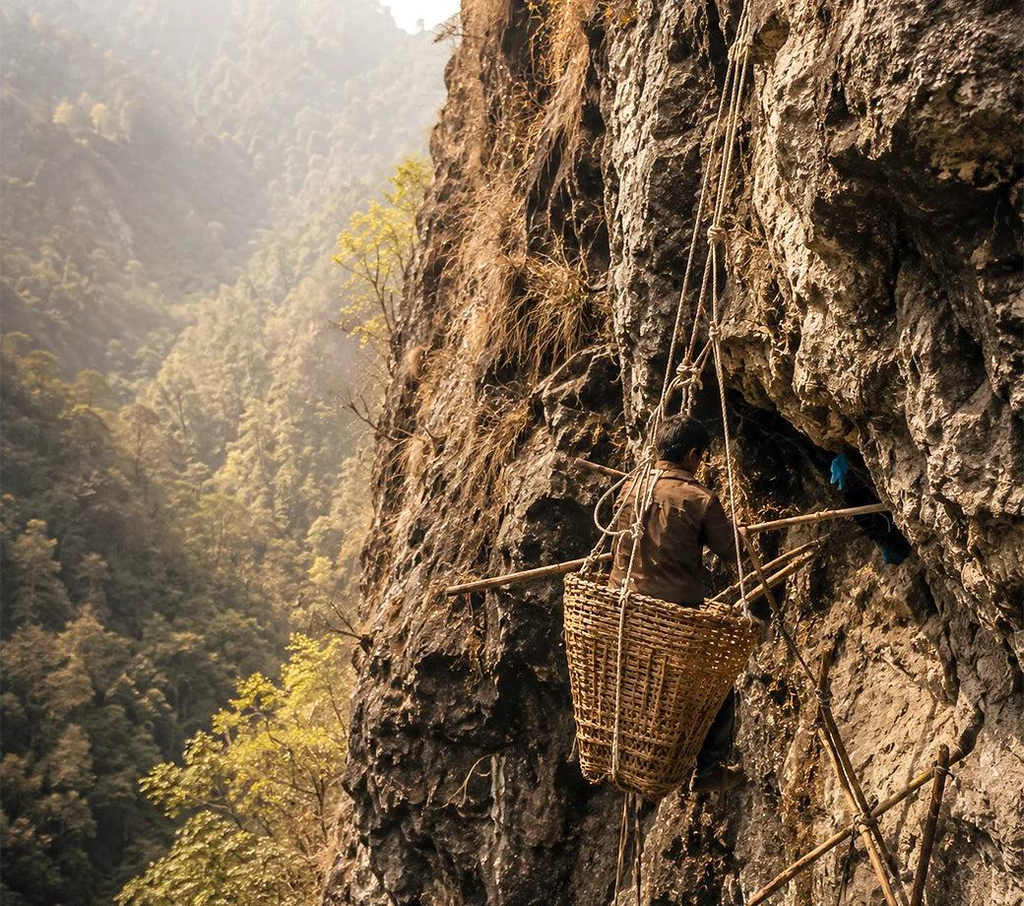
The company Real Mad Honey documents the Nepalese sourcing relationships behind its rare Himalayan honey, including mountain honey-hunting communities and the traditional collection process. It also publishes batch-specific laboratory reports showing grayanotoxin concentrations. Those details give interested readers a way to examine provenance and product documentation instead of relying entirely on a label that says “authentic.”
Published lab results are not a guarantee of safety. Grayanotoxins can cause poisoning, including dangerously low blood pressure, a slow heartbeat, nausea and dizziness. Mad honey therefore should not be offered as a casual tasting-flight sample or stirred into drinks as an ordinary sweetener. Its role in this discussion is to illustrate why a fascinating origin story must be considered alongside the actual properties of the food.
This also explains why “more intense” is not a useful universal ranking. Strong flavor in buckwheat honey is a culinary characteristic; grayanotoxin content in mad honey is a toxicological concern. Treating the two as equivalent would mislead readers.
What Serving and Presentation Add to a Honey Flight
The display does influence how people experience a tasting. Matching small dishes, numbered cards and a neutral background allow visitors to focus on aroma and texture rather than competing labels. Color is easier to compare in clear, similar containers, provided each honey is handled and stored appropriately.
There is a wider reason to think about the table setting. The way an ingredient is arranged affects what people expect before they try it, a connection explored in Drinkings Fountain’s article on why food presentation shapes taste expectations. A polished display can be inviting, but it should not stand in for a truthful product description.
Source details work best as a second layer of the experience. Begin with what people observe, then add the information about flowers, harvest season and place. Someone who initially prefers a delicate honey may find a much greater appreciation for a dark variety once its character and origin have been explained.
What to Take Away From a Honey Flight
The goal is not to announce a single best honey. It is to discover how much variety exists within a familiar food and learn which details actually distinguish one jar from another. Light floral honeys, regionally specific varieties and darker, more aromatic choices all have something different to contribute.
The best comparison separates flavor preference from questions of authenticity and safety. A credible origin, informative labeling and honest handling guidance matter alongside aroma, color and texture. With that distinction in mind, a honey flight can be an engaging introduction to ordinary specialty honeys without confusing every rare product for something suitable to sample side by side.
Read more: Best Las Vegas, Nevada Venues for Group Events and Private Celebrations