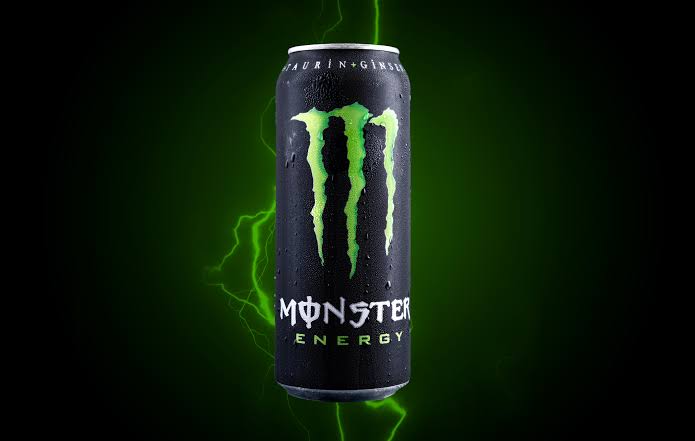
Is Monster Energy bad for you? Learn what the caffeine, sugar, calories, ingredients, side effects, sleep effects, heart concerns, Zero Sugar options, pregnancy considerations, and daily consumption mean for your health.
If you’re wondering are Monsters bad for you, the honest answer depends on the product, serving size, caffeine intake, sugar, and how often you drink it. Monster Energy isn’t a health drink, but one can isn’t automatically dangerous for every healthy adult.
The bigger concerns are high caffeine intake, added sugar, sleep disruption, anxiety, heart effects, and daily consumption. A 16-ounce Original Monster currently contains 160 mg of caffeine and 230 calories. Monster Zero Sugar contains 160 mg of caffeine, 0 grams of sugar, and 10 calories.
Is Monster Energy bad for you? Not necessarily for every healthy adult, but it isn’t a health drink. The main concerns are caffeine, added sugar, calories, sleep disruption, anxiety, and heart-related effects, especially with frequent or excessive consumption.
- One Monster isn’t automatically harmful for every healthy adult.
- Original Monster has 160 mg caffeine per 16 oz.
- Zero Sugar Monster removes sugar, not caffeine.
- Too much caffeine can cause jitters, anxiety, insomnia, or palpitations.
- Daily full-sugar Monster can add significant sugar and calories.
- Children and adolescents should avoid energy drinks.
- During pregnancy, keep caffeine below recommended limits and ask your healthcare provider.
Is Monster Energy Bad for You?
If you’re asking is Monster bad for you, there isn’t a simple yes-or-no answer for every person. A healthy adult may tolerate an occasional can, while another person may experience nervousness, insomnia, rapid heartbeat, or other Monster Energy side effects.
The main issue is total exposure. Monster Energy consumption becomes more concerning when you drink it frequently, combine it with coffee or pre-workout, or use it to replace sleep.
- Occasional use: generally less concerning for a healthy adult.
- Daily consumption: deserves closer attention.
- Multiple cans: can push caffeine intake substantially higher.
- Full-sugar Monster: adds significant calories and sugar.
- Zero Sugar Monster: removes sugar but still contains caffeine.
- Late-night Monster: can interfere with sleep.
- High caffeine sensitivity: can make smaller amounts feel stronger.
- Existing health concerns: may require individualized medical advice.
So, is Monster Energy unhealthy? It can be an unhealthy routine when consumed frequently or in large amounts, but the answer isn’t that every can is inherently dangerous.
Monster Energy Caffeine: How Much Is Too Much?
Monster Energy caffeine is one of the most important factors to consider. Current U.S. product information lists 160 mg of caffeine per 16-ounce Original Monster, with the same 160-mg amount listed for 16-ounce Monster Zero Sugar.
The FDA says 400 mg of caffeine per day is an amount not generally associated with negative effects for most healthy adults. However, caffeine sensitivity varies widely, so 400 mg should not be treated as a personal target.
- One 16-ounce Monster: 160 mg caffeine.
- Two 16-ounce Monsters: 320 mg caffeine.
- Three 16-ounce Monsters: 480 mg caffeine.
- Coffee: adds more caffeine to your daily total.
- Tea and soda: can also contribute caffeine.
- Pre-workout: may contain substantial additional caffeine.
- Caffeine supplements: can make total intake rise quickly.
- Medication: some products also contain caffeine.
Your Monster caffeine content can differ by product and serving size. Always check the current can rather than assuming every Monster Energy drink has identical nutrition.
What Does Caffeine Do in the Body?
Caffeine blocks adenosine receptors in the brain, which can increase alertness, attention, and wakefulness. It can also temporarily increase heart rate, blood pressure, and blood sugar in some people.
People also develop different levels of caffeine tolerance. Someone who drinks caffeine regularly may feel less stimulation from the same dose, while a caffeine-sensitive person may experience side effects quickly.
Monster Energy Ingredients and Nutrition Facts
Monster Energy drinks aren’t all formulated the same way. The brand’s current portfolio includes products such as Monster Energy, Monster Energy Ultra, Rehab Monster, Monster Energy Nitro, Java Monster, Juice Monster, and other varieties.
Common Monster Energy ingredients include caffeine, taurine, B vitamins, sweeteners, flavoring ingredients, and other components depending on the product.
- Caffeine: the main stimulant.
- Taurine: an amino-acid-like compound commonly used in energy drinks.
- B vitamins: included in many formulas.
- Sugar: present in full-sugar varieties.
- Artificial sweeteners: used in many sugar-free products.
- Sucralose: used in some zero-sugar formulas.
- Carbohydrates: vary significantly between products.
- Calories: depend heavily on the formula.
- Water: forms the primary beverage base.
- Additional ingredients: vary by Monster product.
The Monster Energy nutritional facts that matter most are caffeine, calories, total carbohydrate, added sugar, and serving size. Looking at the exact can is more reliable than judging a flavor by its name.
Monster Energy Sugar, Calories, and Carbohydrates
Monster Energy sugar is a major difference between regular and sugar-free products. The current 16-ounce Original Green provides 230 calories and 160 mg of caffeine.
By contrast, Monster Zero Sugar lists 10 calories, 0 grams of sugar, and 160 mg of caffeine per 16 ounces.
| Product | Caffeine | Sugar | Calories |
|---|---|---|---|
| Original Monster, 16 oz | 160 mg | Full-sugar formula | 230 |
| Monster Zero Sugar, 16 oz | 160 mg | 0 g | 10 |
That means the phrase “zero sugar” doesn’t mean zero caffeine.
- Original Monster contains substantial calories.
- Full-sugar products contribute added sugar.
- High-sugar energy drinks can increase total daily sugar intake.
- Regular sugary drinks can make calorie intake easier to overlook.
- Zero Sugar removes the sugar and most beverage calories.
- Zero Sugar doesn’t remove caffeine.
- Sugar-free products can contain artificial sweeteners.
- The carbohydrate content varies between Monster products.
If you’re concerned about Monster drink sugar, compare the Nutrition Facts label before choosing a flavor.
Is Monster Zero Sugar or Monster Ultra Better?
Monster Zero Sugar and Monster Ultra can be better choices if your primary concern is added sugar or calories. They aren’t automatically better for someone whose main concern is caffeine.
Monster Zero Sugar currently lists 160 mg caffeine, 0 grams sugar, and 10 calories per 16 ounces. Monster Ultra products also commonly use a zero-sugar formula, but exact nutrition can vary by product and size.
- 160 mg caffeine per 16 ounces for the listed product.
- 0 grams sugar.
- 10 calories.
- Sweetened without traditional sugar.
- Still a caffeinated energy drink.
- Designed around a zero-sugar formula.
- Multiple flavors are available.
- Some 16-ounce products list 160 mg caffeine.
- Calories are typically very low.
- The exact label should be checked before purchase.
So, is Monster Zero healthy? Not exactly. It can be lower in sugar and calories, but it remains a caffeinated energy drink.
The same applies to the question is Monster Ultra healthy? It’s more accurate to call it a lower-sugar, lower-calorie option rather than a health beverage.
Monster Energy Side Effects and Health Risks
The most common Monster Energy negative effects are usually connected to caffeine and, for sugary varieties, high sugar intake.
Caffeine can cause different reactions depending on the person’s sensitivity, dose, timing, and overall caffeine consumption. The FDA lists symptoms such as increased heart rate, palpitations, high blood pressure, insomnia, anxiety, jitters, upset stomach, nausea, and headache among possible effects of excessive caffeine intake.
- Jitters or nervousness
- Anxiety
- Headaches
- Nausea
- Upset stomach
- Sleep problems
- Rapid heartbeat
- Heart palpitations
- Temporary blood-pressure increases
- Difficulty relaxing
These aren’t guaranteed effects. They become more likely when caffeine intake is high or when someone is particularly sensitive to stimulants.
Monster Energy and Heart Health
If you’re asking is Monster bad for your heart, caffeine deserves the most attention.
The American Heart Association’s 2026 scientific statement says caffeine can temporarily increase heart rate and blood pressure. It also warns that high doses associated with energy drinks may have harmful cardiovascular effects, including increased blood pressure and abnormal heart rhythms.
Research on energy drinks is not identical to research on coffee. The American Heart Association specifically cautions against simply applying findings from ordinary coffee consumption to caffeinated energy drinks.
Monster Energy and Heart Rate
A caffeinated Monster may temporarily increase heart rate, especially in people who are sensitive to caffeine or consume a large amount.
Potential warning signs include:
- Noticeable racing heartbeat.
- Strong or repeated palpitations.
- Unusual irregular heartbeat.
- Dizziness accompanying heart symptoms.
- Chest discomfort.
- Fainting or near-fainting.
Monster Energy and Blood Pressure
Caffeine can cause a temporary increase in blood pressure. The effect may be more important for people who already have hypertension or are particularly sensitive to caffeine.
Therefore, people asking is Monster bad for your blood pressure should consider both their caffeine dose and individual health history.
Monster Energy, Anxiety, Stress, and Sleep
Monster Energy and anxiety can be a problematic combination for caffeine-sensitive people. Caffeine stimulates the central nervous system, and too much can produce nervousness, restlessness, or a racing feeling.
The timing also matters. Drinking Monster before bed, Monster at night, or drinking Monster shortly before trying to sleep can make it harder to fall asleep.
Caffeine’s effects can last for hours, even after the obvious feeling of alertness has faded. Individual metabolism varies because of genetics, age, medications, habitual caffeine use, and other factors.
- Monster Energy and sleep: caffeine may reduce sleep quality.
- Monster Energy and insomnia: late caffeine can make falling asleep harder.
- Monster Energy and nervousness: higher doses can increase jitters.
- Monster Energy and stress: caffeine may make some people feel more tense.
- Monster Energy and alertness: caffeine can increase wakefulness.
- Monster Energy and focus: moderate caffeine can improve alertness for some people.
- Monster Energy at night: generally a poor choice for people sensitive to caffeine.
- Drinking Monster before bed: may interfere with normal sleep.
If you regularly need Monster for studying or concentration, consider whether inadequate sleep is creating the problem in the first place.
What Happens If You Drink Monster Every Day?
The question “can you drink Monster every day?” is different from asking whether one can is safe.
Daily Monster consumption creates a repeated exposure to caffeine. With a full-sugar product, it also creates repeated exposure to added sugar and calories.
One 16-ounce Original Monster supplies 160 mg caffeine and 230 calories. If consumed every day, that equals roughly 1,120 mg of caffeine and 1,610 calories per week from that one beverage alone.
Possible concerns with daily energy drink consumption include:
- Building caffeine tolerance.
- Developing caffeine dependence.
- Experiencing withdrawal when you stop.
- Increasing daily caffeine intake.
- Disrupting sleep.
- Increasing added-sugar intake.
- Adding unnecessary beverage calories.
- Using caffeine to compensate for insufficient sleep.
- Drinking multiple energy drinks during demanding days.
- Combining Monster with coffee or pre-workout.
Is One Monster a Day Safe?
For many healthy adults, one Monster a day may remain below the FDA’s general 400-mg daily caffeine reference, but that doesn’t mean daily use is ideal for everyone.
If one can causes insomnia, anxiety, palpitations, digestive symptoms, or other problems, your personal limit may be much lower.
How Many Monsters Can You Drink a Day?
There isn’t a universal number that is safe for everyone. You must consider total caffeine from all sources, not only Monster.
Three 16-ounce cans would provide about 480 mg caffeine, which exceeds the FDA’s general 400-mg adult reference before counting any other caffeine.
Monster Energy Dependence, Tolerance, and Withdrawal
Regular Monster Energy consumption can contribute to caffeine tolerance and dependence.
Tolerance means your body may become less responsive to the same caffeine dose. You might eventually drink the same amount simply to feel normal rather than energized.
Caffeine withdrawal can include:
- Headache
- Fatigue
- Sleepiness
- Irritability
- Difficulty concentrating
- Low energy
- Temporary mood changes
The American Heart Association notes that caffeine withdrawal can begin within about a day in habitual users and is usually temporary.
If you’re experiencing Monster Energy addiction or Monster Energy dependence, don’t assume you need another large dose to function. Gradually reducing caffeine may be more comfortable for some regular users.
Is Monster Bad for Your Kidneys, Liver, Stomach, Brain, or Teeth?
These questions need more nuance than a simple “yes.”
There isn’t strong evidence that an occasional Monster directly damages the kidneys or liver in every healthy adult. However, high caffeine intake, excessive sugar, individual medical conditions, dehydration, and other factors can change the risk profile.
Kidneys and Hydration
Caffeine can have a mild diuretic effect, but a caffeinated beverage still contributes fluid. It isn’t accurate to say that every Monster automatically causes dehydration.
The bigger concern is using energy drinks instead of water, especially during prolonged physical activity or hot conditions.
Liver Health
Monster isn’t generally considered a direct liver toxin when consumed normally. However, people with liver disease or other medical conditions should discuss high caffeine or energy-drink consumption with their healthcare professional.
Stomach and Digestion
Energy drinks can cause stomach discomfort, nausea, or digestive symptoms, especially when consumed quickly or in large quantities. Caffeine can also affect gastrointestinal function in some people.
Brain and Nervous System
Caffeine affects the central nervous system. Moderate amounts can increase alertness, while excessive amounts can contribute to anxiety, nervousness, headaches, and sleep disruption.
Teeth
Full-sugar energy drinks can be concerning for dental health because frequent exposure to sugary beverages can increase the risk of tooth decay. Acidic beverages may also contribute to enamel erosion.
Blood Sugar and Insulin
Full-sugar Monster can raise blood glucose because it contains added sugars. Regular consumption of sugary beverages can make it harder to manage overall sugar intake.
Cleveland Clinic notes that the combination of caffeine and added sugar in energy drinks may be particularly concerning for people with diabetes or problems with blood-sugar control.
So, if you’re asking is Monster bad for your blood sugar, the answer depends heavily on whether you’re drinking a full-sugar or zero-sugar variety and on your individual health.
Is Monster Bad for Weight Gain or Weight Loss?
Monster doesn’t automatically cause weight gain, but regular full-sugar Monster can contribute substantial calories.
A 16-ounce Original Monster contains 230 calories. A Zero Sugar version lists only 10 calories.
That makes a significant difference when consumed frequently.
230 calories × 7 days = 1,610 calories per week.
That doesn’t mean those calories automatically become body fat. Body weight depends on overall energy intake, expenditure, diet, physical activity, and many other factors.
If you’re asking is Monster bad for weight loss, full-sugar varieties can make calorie control harder. Zero Sugar avoids most of those beverage calories, but caffeine remains.
Monster Energy for Kids, Teenagers, Students, and Athletes
The CDC states that the American Academy of Pediatrics recommends that adolescents do not consume energy drinks. The CDC also identifies potential concerns involving heart complications, anxiety, insomnia, and other effects from highly caffeinated energy drinks.
This matters for students because energy drinks are often used for studying, gaming, sports, and staying awake.
Monster for Students and College Students
If you’re using Monster Energy for studying, the caffeine may temporarily increase alertness. But replacing sleep with stimulants can create a cycle of fatigue and caffeine use.
For college students, the better strategy is to protect sleep first and use caffeine strategically rather than relying on several energy drinks.
Monster for Athletes
Energy drinks aren’t the same as sports drinks.
The CDC specifically advises coaches to educate athletes about the difference between energy drinks and sports drinks.
For exercise, water and appropriate sports hydration may be more useful than relying on a highly caffeinated energy drink.
Is Monster Safe During Pregnancy?
Pregnancy changes the caffeine calculation.
The FDA recommends that people who are pregnant, trying to become pregnant, or breastfeeding discuss caffeine limits with their healthcare provider.
A commonly cited pregnancy limit from the American College of Obstetricians and Gynecologists is less than 200 mg of caffeine per day.
If you’re pregnant, don’t assume Monster Zero Sugar solves the concern. Zero Sugar removes sugar, but the caffeine remains.
Monster Energy vs Coffee, Red Bull, Celsius, and Soda
The healthiest comparison isn’t always about brand names. Compare caffeine, sugar, calories, serving size, and ingredients.
Monster Energy vs Coffee
Plain coffee can provide caffeine without added sugar. Mayo Clinic lists about 96 mg of caffeine in an 8-ounce brewed coffee, although actual amounts vary by preparation.
A 16-ounce Original Monster contains 160 mg caffeine.
So, is Monster worse than coffee? Not automatically, but plain coffee often has a simpler ingredient profile and fewer beverage calories.
Monster Energy vs Red Bull
Monster and Red Bull both sell multiple formulas and sizes. Therefore, comparing one brand’s name against another isn’t enough.
Compare the exact cans for:
- Caffeine.
- Sugar.
- Calories.
- Serving size.
- Added ingredients.
- Total daily caffeine.
Monster Energy vs Celsius
Celsius products also vary, but the company states that standard CELSIUS and CELSIUS Vibe beverages contain 200 mg caffeine per can, while CELSIUS Essentials contains 270 mg.
That means some Celsius products actually contain more caffeine than a 16-ounce Original Monster.
Monster Energy vs Soda
Regular soda often contains less caffeine than an energy drink. Mayo Clinic lists about 33 mg caffeine per 8 ounces of cola, although brands vary.
However, soda can still contain substantial added sugar.
Monster vs Coke and Pepsi
The exact caffeine and sugar amounts depend on product and serving size. In general, cola usually provides less caffeine per ounce than a typical energy drink, while full-sugar versions still contribute added sugar.
Monster Energy vs Gatorade
This isn’t a direct substitute.
Gatorade is primarily designed as a sports beverage, while Monster is an energy drink designed around caffeine and stimulation.
If you need hydration during exercise, don’t assume an energy drink is equivalent to a sports drink.
Monster Energy vs Pre-Workout
Pre-workout products can contain substantial caffeine and other stimulants. Combining pre-workout with Monster can make your total stimulant intake much higher.
If you’ve already taken a caffeinated pre-workout, adding Monster is usually unnecessary.
Are Energy Drinks Bad for You?
The broader question are energy drinks unhealthy has a similar answer: frequent high intake can create problems, particularly because many energy drinks combine substantial caffeine with added sugar and other stimulants.
The CDC says energy drinks typically contain large amounts of caffeine, added sugars, other additives, and stimulants such as guarana, taurine, and L-carnitine.
Potential energy drink health risks include:
- Sleep disruption.
- Anxiety and nervousness.
- Increased heart rate.
- Temporary blood-pressure increases.
- Heart palpitations.
- Digestive symptoms.
- High added-sugar intake.
- Excess calories.
- Caffeine dependence.
- Caffeine withdrawal.
Cleveland Clinic similarly identifies potential concerns including anxiety, headaches, nausea, rapid heart rate, tooth decay, and weight gain with regular energy-drink consumption.
That doesn’t mean every energy drink produces these outcomes. Dose, frequency, product formula, and individual health all matter.
Healthier Alternatives to Monster Energy
If you want the alertness associated with caffeine without relying on Monster, there are several options.
The best Monster Energy alternatives depend on whether you want caffeine, hydration, fewer calories, or no stimulant.
For Lower Caffeine
- Black tea: typically less caffeine than a Monster.
- Green tea: generally provides a moderate caffeine dose.
- Half-caf coffee: lets you reduce caffeine gradually.
- Smaller coffee: easier to control serving size.
For No Caffeine
- Cold water
- Sparkling water
- Flavored water
- Decaffeinated tea
- Fruit-infused water
For Exercise
- Water: suitable for many everyday workouts.
- Sports drinks: may be useful during prolonged or intense activity.
- Electrolyte beverages: can be useful in situations involving substantial fluid or electrolyte losses.
If you’re looking for the healthiest energy drink, don’t judge it only by whether it says zero sugar. Check the caffeine amount, serving size, sweeteners, calories, and your reason for drinking it.
How to Drink Monster More Safely
If you’re a healthy adult who chooses Monster occasionally, the most practical approach is to control dose, timing, frequency, and total caffeine.
Use these guidelines:
- Check the caffeine amount before opening the can.
- Count caffeine from coffee, tea, soda, supplements, and medication.
- Avoid stacking Monster with high-caffeine pre-workout.
- Avoid drinking it close to bedtime.
- Choose zero-sugar varieties if reducing added sugar matters.
- Don’t use energy drinks as your primary source of hydration.
- Don’t give energy drinks to children or adolescents.
- Pay attention to palpitations, anxiety, headaches, or insomnia.
- Reduce caffeine if you notice repeated side effects.
- Ask your healthcare professional about caffeine if you have a relevant medical condition.
The FDA’s 400-mg adult reference is useful, but individual tolerance can be much lower.
FAQs About Monster Energy
One Monster a day isn’t automatically harmful for every healthy adult, but the specific product and your total caffeine intake matter. A 16-ounce Original Monster contains 160 mg caffeine and 230 calories.
If it causes insomnia, anxiety, palpitations, or other unwanted effects, your personal tolerance may be lower.
Monster Energy is not best classified as a health beverage. Some varieties are lower in sugar and calories, but most are still caffeinated energy drinks.
Monster Zero Sugar, for example, has 0 grams of sugar and 10 calories per 16 ounces, but it still contains 160 mg caffeine.
Monster Zero Sugar can be a better option than regular Monster when your goal is reducing added sugar and calories. However, it still provides a substantial caffeine dose.
If you’re sensitive to caffeine, Zero Sugar doesn’t remove the issue.
There isn’t one universal number of cans that is safe for everyone. For most adults, the FDA cites 400 mg caffeine per day as an amount not generally associated with negative effects, but sensitivity varies.
Two 16-ounce Monsters provide about 320 mg caffeine, while three provide about 480 mg before other caffeine sources are counted.
Yes. Caffeine can cause heart palpitations, particularly at higher doses or in people who are sensitive to caffeine. The American Heart Association notes that high caffeine intake from energy drinks may increase cardiovascular risks, including abnormal heart rhythms.
Yes, energy drinks are not recommended for adolescents. The CDC reports that the American Academy of Pediatrics recommends adolescents do not consume energy drinks because of their caffeine and stimulant content.
Zero-sugar Monster does not remove the caffeine concern.
Pregnancy requires more careful caffeine management. A 16-ounce Original Monster contains 160 mg caffeine, which is a large portion of the commonly recommended pregnancy limit.
If you’re pregnant, trying to become pregnant, or breastfeeding, discuss your caffeine intake with your healthcare professional.
Final Verdict: Is Monster Bad for You?
So, are Monster drinks bad for your health? They can be when consumed excessively or used as a daily substitute for sleep, hydration, or balanced nutrition. But calling every Monster dangerous would oversimplify the evidence.
For a healthy adult, the most important factors are caffeine dose, sugar, serving size, frequency, timing, and individual sensitivity. Original Monster has 160 mg caffeine and 230 calories per 16 ounces, while Monster Zero Sugar has the same listed caffeine amount with 0 grams of sugar and 10 calories.
If you’re trying to make a better choice, start with the label. Reduce total caffeine, avoid excessive daily consumption, limit added sugar, protect your sleep, and don’t use energy drinks as a replacement for proper hydration or rest.
For children and adolescents, energy drinks should be avoided. During pregnancy or when medical conditions, medications, heart symptoms, anxiety, or significant caffeine sensitivity are involved, personalized professional advice is more appropriate than a one-size-fits-all rule.
Read More:
What Can I Drink After a Tooth Extraction
100 Fruit Drink Recipes: Juices, Smoothies & Mocktails
16 Best Non-Alcoholic After Dinner Drinks for Any Evening
Best Places for Non-Alcoholic Drinks in Las Vegas: 2026 Guide
Bob Marley Mocktail: Easy Non-Alcoholic Layered Drink
Liquid Maria Juana Drink: Easy Tropical Cocktail Recipe
Gasolina Drink: Flavors, ABV, Ingredients & More