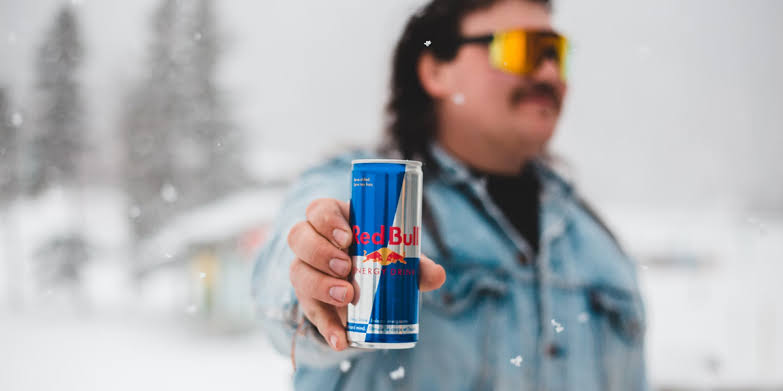
If you’re wondering is Red Bull bad for you, this guide is for anyone who drinks energy drinks and wants clear, practical answers. We’ll look at caffeine, sugar, ingredients, side effects, heart health, sleep, anxiety, and daily consumption without exaggerating the risks.
You’ll also learn whether Red Bull Sugarfree or Zero is a better choice, how Red Bull compares with coffee and soda, and when another drink may make more sense. By the end, you’ll know how to choose and consume energy drinks more responsibly.
Is Red Bull bad for you? Not necessarily. For most healthy adults, an occasional standard can can fit within moderate caffeine intake, but daily or excessive consumption may cause sleep problems, jitters, anxiety, increased blood pressure, or other side effects. Original Red Bull also contains 27 g of sugar and 80 mg of caffeine per 8.4-ounce can.
TL;DR
- One standard can provides about 80 mg of caffeine.
- Original Red Bull contains 27 g of sugar per 8.4-ounce can.
- Too much caffeine can cause jitters, headaches, anxiety, and sleep problems.
- Sugarfree and Zero versions remove most sugar but still contain caffeine.
- Children and teens should avoid energy drinks.
- Pregnant people should keep total caffeine below recommended limits.
- Water, unsweetened tea, and plain coffee can be useful alternatives.
- Is Red Bull Bad for You?
- Red Bull Ingredients
- How Much Caffeine Is in Red Bull?
- Sugar and Calories
- Heart Health and Blood Pressure
- Sleep, Anxiety and Side Effects
- Sugarfree vs Zero
- Daily Red Bull Consumption
- Red Bull and Exercise
- Red Bull vs Coffee, Monster, Celsius and Soda
- Alternatives to Red Bull
- Main Red Bull Health Risks
- Frequently Asked Questions
Is Red Bull Bad for You?
For most healthy adults, an occasional Red Bull is not automatically harmful. The bigger concern is how much you drink, how often you drink it, how much caffeine you get elsewhere, and how your body responds.
The Red Bull Energy Drink contains caffeine, taurine, B vitamins, sugar, and water. An 8.4-ounce can contains 80 mg of caffeine, 27 g of sugar, 110 calories, and 29 g of carbohydrates.
So, is Red Bull healthy? Not really in the same sense as water, milk, or a nutrient-dense food. It is a functional caffeinated beverage designed to increase alertness.
That also doesn’t mean Red Bull is inherently dangerous for every adult. The most useful question is whether its caffeine and sugar fit your personal intake and health needs.
The Simple Answer
- Occasional use: Generally less concerning for healthy adults.
- Daily use: Worth examining, especially if you’re dependent on it for energy.
- Large cans: Deliver substantially more caffeine.
- Original Red Bull: Contains a meaningful amount of added sugar.
- Red Bull Zero: Removes sugar but still contains caffeine.
- Children and teens: Energy drinks are not recommended.
- Pregnancy: Caffeine intake should be limited and discussed with a healthcare professional.
- Heart or blood-pressure concerns: Regular energy-drink use deserves extra caution.
Red Bull Ingredients: What’s Actually in the Can?
The main Red Bull ingredients are caffeine, taurine, B-group vitamins, sugars, and water. The company lists niacin, pantothenic acid, vitamin B6, and vitamin B12 among its B vitamins.
These ingredients have different roles. Caffeine is a stimulant, sugar supplies carbohydrate, taurine is an amino acid naturally present in the body, and B vitamins participate in normal metabolic processes.
Key Red Bull Ingredients
- Caffeine: The primary stimulant responsible for increased alertness.
- Taurine: An amino acid found naturally in the body.
- Niacin: Also known as vitamin B3.
- Vitamin B6: Involved in normal metabolic and nervous-system functions.
- Vitamin B12: Supports normal neurological and blood-cell functions.
- Pantothenic acid: Also called vitamin B5.
- Sugar: Provides carbohydrate and calories in Original Red Bull.
- Water: The main ingredient.
The presence of vitamins doesn’t make the beverage a nutritional replacement for a balanced diet.
How Much Caffeine Is in Red Bull?
Red Bull caffeine depends on can size. The standard 8.4-ounce can contains 80 mg, while larger cans contain substantially more.
| Red Bull Size | Caffeine |
|---|---|
| 8.4 oz | 80 mg |
| 12 oz | 114 mg |
| 16 oz | 151 mg |
| 20 oz | 198 mg |
That matters because someone searching for Red Bull vs coffee caffeine may assume one can equals one standard coffee. The comparison changes with serving size and brewing method.
The FDA says 400 mg of caffeine per day is an amount not generally associated with negative effects for most healthy adults. That’s a general reference, not a personal target. Caffeine sensitivity varies significantly.
Caffeine Can Add Up Quickly
Your caffeine intake can come from:
- Red Bull
- Coffee
- Tea
- Soda
- Chocolate
- Pre-workout products
- Caffeine-containing medications
- Other energy drinks
That’s why too much caffeine can happen even when no single beverage seems excessive.
Is Red Bull High in Sugar and Calories?
Original Red Bull contains 27 g of sugar and 110 calories per 8.4-ounce can. It also contains 29 g of total carbohydrates.
For someone who drinks one occasionally, that amount can fit within an overall diet. For someone drinking several sugary beverages every day, however, the calories and sugar can become significant.
The Dietary Guidelines for Americans have recommended keeping added sugar below 10% of daily calories. Sugar-sweetened beverages are one of the major sources of added sugar in American diets.
Why Red Bull Sugar Matters
Regular consumption can make it easier to overshoot your usual calorie or added-sugar intake.
That becomes more relevant if you’re asking is Red Bull bad for weight loss. Red Bull does not directly determine whether you lose or gain weight, but regular sugary drinks can make calorie control harder.
For that reason, Original Red Bull is not an especially useful choice if your main goal is reducing liquid calories.
Is Red Bull Bad for Your Heart?
This question deserves a more careful answer than simply calling Red Bull “dangerous.”
Caffeine can temporarily affect heart rate and blood pressure, and research on energy drinks has found measurable cardiovascular effects. A 2025 systematic review examined 37 studies involving 1,597 participants and found increases in heart rate and blood pressure across a substantial proportion of the studies.
The review does not prove that drinking one Red Bull causes heart disease. It does show why energy drinks and heart health should be taken seriously, especially among people with existing cardiovascular concerns.
Red Bull and Cardiovascular Effects
Possible short-term effects can include:
- Increased heart rate
- Temporary blood-pressure increases
- Palpitations
- Nervousness
- Trembling
- Changes in heart rhythm in susceptible people
If an energy drink causes chest pain, fainting, severe shortness of breath, or a serious abnormal heartbeat, seek urgent medical attention.
People with known heart disease, rhythm disorders, or uncontrolled high blood pressure should discuss regular energy-drink consumption with their healthcare professional.
Is Red Bull Bad for Blood Pressure?
It can temporarily raise blood pressure in some people.
Caffeine is a stimulant, and studies of energy drinks have found short-term increases in systolic and diastolic blood pressure.
That doesn’t mean everyone who drinks Red Bull develops hypertension. The response depends on factors such as caffeine sensitivity, tolerance, health status, and the amount consumed.
If you already have high blood pressure, don’t assume a normal-feeling response means the beverage is automatically appropriate for regular use.
Is Red Bull Bad for Your Sleep?
Yes, it can be, especially when consumed later in the day.
Caffeine can remain in your system after the noticeable energy effect fades. Caffeine’s half-life varies considerably between individuals, which helps explain why one person can drink it in the afternoon while another loses sleep after the same amount.
If you’re asking is Red Bull bad for your sleep, the practical answer is simple: if it makes falling asleep harder or reduces sleep quality, your personal cutoff is too late.
Better Caffeine Timing
- Use caffeine earlier when possible.
- Avoid stacking coffee and energy drinks late in the day.
- Don’t use another can simply because the first “wore off.”
- Pay attention to sleep quality rather than just how awake you feel.
- Reduce caffeine if insomnia becomes a recurring problem.
Good sleep is a better long-term answer to fatigue than increasing your stimulant intake.
Is Red Bull Bad for Anxiety, Nervousness, or Headaches?
It can be for people who are caffeine-sensitive.
Caffeine can produce nervousness, restlessness, shakiness, headaches, and anxiety-like symptoms. These effects become more likely when caffeine consumption rises or when someone has low tolerance.
That means Red Bull and anxiety can be a poor combination for some people, even if another person tolerates the same amount without difficulty.
Possible Red Bull Side Effects
Common Red Bull energy drink side effects may include:
- Nervousness
- Jitters
- Headaches
- Restlessness
- Difficulty sleeping
- Stomach discomfort
- Nausea
- A noticeable heartbeat
- Dizziness or light-headedness
These symptoms are not proof of permanent damage. They are signals that your caffeine intake may be too high for your individual tolerance.
Is Red Bull Bad for Your Stomach or Digestion?
Some people experience stomach problems after drinking energy drinks, particularly when they consume caffeine quickly or on an empty stomach.
Caffeine can affect the digestive system, while carbonation and acidity may also be uncomfortable for some people.
If Red Bull repeatedly causes nausea, stomach discomfort, reflux-like symptoms, or digestive problems, reducing or avoiding it makes more sense than trying to push through the symptoms.
If Red Bull Upsets Your Stomach
- Avoid drinking it on an empty stomach.
- Try a smaller serving.
- Drink it more slowly.
- Avoid combining several caffeinated products.
- Track whether symptoms occur with other caffeine sources.
- Stop using it if symptoms consistently return.
Persistent or severe digestive symptoms deserve medical evaluation rather than being blamed automatically on an energy drink.
Is Red Bull Bad for Your Kidneys or Liver?
There is not enough evidence to say that ordinary Red Bull consumption directly damages healthy kidneys or the liver.
This is an important distinction because online discussions often turn isolated case reports or excessive-use scenarios into universal claims.
For kidney health, hydration matters more than treating Red Bull as a substitute for water. People with kidney disease or specific fluid, potassium, sodium, or caffeine restrictions should follow individualized medical advice.
The same principle applies to the liver. If you have liver disease, take medications that affect liver function, or consume very large amounts of energy drinks, ask your healthcare professional about your specific situation.
So, if you’re wondering is Red Bull bad for your kidneys or liver, the responsible answer is: there is no simple evidence that normal use damages healthy organs, but people with existing medical conditions should not assume their situation is the same as everyone else’s.
Is Red Bull Bad for Your Brain, Skin, or Teeth?
The strongest concerns are not about Red Bull “damaging the brain.” They are about caffeine’s effects on alertness, sleep, anxiety, and nervous-system stimulation.
Because caffeine can disrupt sleep, excessive consumption may indirectly affect how you feel and function the next day.
For dental health, Original Red Bull presents a clearer concern because it contains sugar and is an acidic beverage. Frequent exposure to sugary and acidic drinks can contribute to tooth decay and enamel erosion.
What About Skin?
There is no strong reason to say that ordinary Red Bull directly damages healthy skin.
However, frequent sugary-drink consumption can contribute substantially to overall added-sugar intake. If you’re concerned about skin health, sleep, diet quality, hydration, and your overall eating pattern matter more than treating one beverage as a single cause.
Is Red Bull Sugarfree Better for You?
Red Bull Sugarfree can be a better choice than Original Red Bull if your main concern is sugar or calories.
The important catch is that Sugarfree Red Bull still contains caffeine.
Current U.S. Red Bull Zero information lists 80 mg of caffeine, 0 g of sugar, and 5 calories per 8.4-ounce can. Its formula includes monk fruit extract, sucralose, erythritol, taurine, B vitamins, caffeine, and water.
Original vs Sugarfree vs Zero
| Feature | Original Red Bull | Red Bull Zero |
|---|---|---|
| Caffeine, 8.4 oz | 80 mg | 80 mg |
| Sugar | 27 g | 0 g |
| Calories | 110 | 5 |
| Caffeine-free | No | No |
So if someone asks is sugar free Red Bull healthy, the fairest answer is:
It’s lower in sugar and calories, but it remains a caffeinated energy drink.
If your concern is sugar, Sugarfree or Zero may make sense. If your concern is caffeine, switching products doesn’t solve the problem.
What Are Sugarfree Red Bull Side Effects?
The main potential concerns remain caffeine-related effects.
Because Red Bull Zero still contains 80 mg of caffeine per 8.4 ounces, people sensitive to caffeine can still experience:
- Jitters
- Anxiety
- Sleep problems
- Headaches
- Restlessness
- Noticeable heartbeat
Zero-sugar products also contain sweeteners. Red Bull lists monk fruit extract, sucralose, and erythritol in its current U.S. Zero formula.
That makes the choice more nuanced than saying “sugar-free equals healthy.”
Can You Drink Red Bull Every Day?
Some healthy adults can consume a modest amount of caffeine daily without obvious problems, but daily Red Bull consumption is not automatically a good habit.
If you drink one 8.4-ounce Original can every day, you get 80 mg of caffeine and 27 g of sugar each day. Over seven days, that adds up to 560 mg of caffeine and 189 g of sugar from that beverage alone.
That’s why one Red Bull a day should be evaluated as a habit rather than a single isolated drink.
Ask Yourself
- Do I need it because I’m consistently sleep-deprived?
- Am I also drinking coffee?
- Do I experience anxiety or jitters?
- Does it interfere with sleep?
- Am I drinking the sugary version every day?
- Would a smaller serving be enough?
- Could water, tea, or coffee meet the same need?
If you cannot comfortably reduce your intake because of headaches or fatigue, caffeine dependence may be developing.
How Much Red Bull Is Too Much?
There is no single number that guarantees safety for every person.
For most healthy adults, the FDA’s commonly cited reference is up to 400 mg of caffeine per day, while pregnancy requires a lower limit.
Because Red Bull comes in several sizes, the question how many Red Bulls can you drink a day should always start with the can size and your total caffeine intake.
Examples
Reaching the general adult reference doesn’t mean five cans are a recommended daily habit. The sugar, calories, timing, sleep effects, and individual sensitivity still matter.
How Long Does Red Bull Stay in Your System?
The noticeable boost doesn’t tell you how quickly caffeine leaves your body.
Caffeine is absorbed relatively quickly, but elimination varies from person to person. A commonly cited caffeine half-life in healthy adults is several hours, with substantial individual variation.
That means how long Red Bull stays in your system depends on your metabolism and circumstances.
Pregnancy, medications, health conditions, and individual biology can all affect caffeine handling.
This is one reason drinking another can because the first “stopped working” can lead to more caffeine than intended.
Is Red Bull Bad for Kids, Teens, Students, Men, or Women?
Energy drinks are not recommended for children and adolescents.
The FDA says medical experts advise against energy drinks for children and teens, while the American Academy of Pediatrics has warned against stimulant-containing energy drinks for young people.
That makes questions such as is Red Bull bad for teenagers, is Red Bull bad for kids, and is Red Bull bad for children much easier to answer: young people should avoid energy drinks.
What About Students?
Students may use Red Bull for studying, long nights, or exams. Caffeine can temporarily increase alertness, but using it to repeatedly replace sleep is a poor strategy.
For adults, the better approach is moderate caffeine plus adequate sleep, food, hydration, and breaks.
What About Men and Women?
There isn’t a simple rule that Red Bull is inherently worse for men or women.
The more relevant factors are body size, caffeine sensitivity, pregnancy, medications, health conditions, total caffeine intake, and individual response.
Is Red Bull Safe During Pregnancy?
Pregnancy changes the caffeine calculation.
The American College of Obstetricians and Gynecologists states that moderate caffeine consumption below 200 mg per day does not appear to be a major contributor to miscarriage or preterm birth.
An 8.4-ounce Red Bull contains 80 mg of caffeine, so one can uses a substantial portion of that amount.
If you’re asking is Red Bull bad during pregnancy, Red Bull while pregnant should be considered as part of your total daily caffeine intake rather than in isolation.
Caffeine can also appear in coffee, tea, soda, chocolate, medications, and supplements.
If you’re pregnant, trying to become pregnant, or breastfeeding, discuss your personal caffeine intake with your healthcare professional.
Is Red Bull Good Before or After Exercise?
Red Bull can provide caffeine, but it isn’t the same thing as a hydration drink.
The American Academy of Pediatrics distinguishes energy drinks from sports drinks because energy drinks contain stimulants, while sports drinks are formulated differently for certain exercise situations.
For adult athletes, whether caffeine is useful depends on the sport, dose, timing, tolerance, and overall nutrition.
Red Bull Before a Workout
- Count it toward your daily caffeine.
- Avoid stacking it with pre-workout stimulants.
- Don’t use it to replace hydration.
- Consider the sugar content if calories matter.
- Avoid experimenting with large doses before an important event.
Red Bull After Exercise
After exercise, water and appropriate food are usually more important than another stimulant.
For long or intense activity, electrolyte and carbohydrate needs depend on the exercise and environment.
Red Bull shouldn’t automatically be considered an electrolyte-replacement beverage.
Red Bull vs Coffee: Which Is Better?
Neither is automatically better for everyone.
An 8.4-ounce Red Bull provides 80 mg of caffeine, while coffee varies widely depending on serving size and brewing method. Red Bull Original also provides 27 g of sugar, while plain black coffee has no added sugar.
Red Bull vs Coffee
| Feature | 8.4 oz Original Red Bull | Plain Coffee |
|---|---|---|
| Caffeine | 80 mg | Variable |
| Added sugar | 27 g | 0 g |
| Calories | 110 | Usually very low |
| Main advantage | Convenient, consistent caffeine | Easy to customize |
If you want caffeine without added sugar, plain coffee or unsweetened tea may be a simpler choice.
If you prefer the taste and convenience of Red Bull, a zero-sugar version reduces the sugar but not the caffeine.
Red Bull vs Monster, Celsius, and Soda
The brand name alone doesn’t tell you which drink is best.
Serving size, caffeine, sugar, calories, sweeteners, and your personal goal matter more.
Red Bull vs Monster
Monster products vary considerably, so comparing the label by ounce is more useful than comparing brand names.
A large Monster can may contain substantially more caffeine than a small Red Bull simply because the serving is larger.
Red Bull vs Celsius
Celsius positions many of its beverages as zero-sugar functional drinks and highlights ingredients such as caffeine, vitamins, taurine, and plant extracts. Its products vary by line, so the individual can should always be checked.
If you’re comparing Red Bull vs Celsius health, don’t assume zero sugar automatically means healthier. Caffeine amount and your reason for drinking the beverage still matter.
Red Bull vs Soda
A standard 12-ounce Coca-Cola contains 34 mg of caffeine and 39 g of sugar, according to Coca-Cola’s U.S. product information.
So an 8.4-ounce Original Red Bull contains more caffeine but less sugar than a 12-ounce Coke.
Red Bull vs Coke
| Beverage | Example Serving | Caffeine | Sugar |
|---|---|---|---|
| Original Red Bull | 8.4 oz | 80 mg | 27 g |
| Coca-Cola Original | 12 oz | 34 mg | 39 g |
This comparison shows why serving size matters. Neither beverage should be judged from its brand reputation alone.
What Are the Healthiest Energy Drinks and Alternatives to Red Bull?
There is no universally healthiest energy drink.
A better approach is to decide what you want to reduce:
Less Sugar
Choose a zero-sugar product.
Less Caffeine
Choose a lower-caffeine beverage.
No Caffeine
Choose water, sparkling water, or a caffeine-free drink.
Better Hydration
Choose water.
Caffeine Without Added Sugar
Plain coffee or unsweetened tea may be practical.
Healthy Alternatives to Red Bull
- Cold water: Best simple option for everyday hydration.
- Sparkling water: Useful when you want carbonation without caffeine.
- Unsweetened iced tea: Lower-calorie caffeine option.
- Plain coffee: Customizable caffeine without added sugar.
- Decaf coffee: Coffee flavor with very little caffeine.
- Fruit-infused water: Adds flavor without needing an energy-drink formula.
- Coconut water: Useful in some situations, but not a replacement for all hydration needs.
- Milk: Provides protein and nutrients when it fits your diet.
The best alternative to Red Bull depends on why you’re drinking it in the first place.
If you’re exhausted, the best alternative may be sleep. If you’re thirsty, it may simply be water.
When Is Red Bull Dangerous?
Red Bull becomes more concerning when dose, sensitivity, and circumstances stack together.
Examples include consuming large amounts of caffeine quickly, combining several stimulant products, drinking it despite severe caffeine sensitivity, or using energy drinks despite a medical condition for which caffeine is a concern.
Higher-Risk Situations
- Large amounts of caffeine in a short period
- Multiple energy drinks plus coffee
- Energy drinks plus stimulant supplements
- Drinking energy drinks late at night
- Existing cardiovascular problems
- Significant caffeine sensitivity
- Pregnancy without accounting for total caffeine
- Consumption by children or teenagers
- Mixing energy drinks with alcohol
Caffeine also does not cancel alcohol’s effects. The CDC warns that combining caffeine and alcohol can increase drinking, injury, impaired driving, blood pressure, and irregular-heartbeat risks.
What Are the Main Red Bull Health Risks?
The most realistic way to think about Red Bull health effects is to separate established short-term effects from exaggerated internet claims.
Better-Supported Concerns
- Caffeine: Can cause nervousness, sleep problems, headaches, and palpitations in sensitive people.
- Blood pressure: Energy drinks can temporarily increase blood pressure.
- Heart rate: Caffeine and energy-drink consumption can increase heart rate in some circumstances.
- Sugar: Original Red Bull adds a substantial amount of sugar.
- Sleep: Late caffeine can interfere with sleep.
- Dental health: Sugary and acidic beverages can contribute to dental problems.
- Dependence: Regular caffeine use can lead to tolerance and withdrawal.
Claims That Need More Caution
It’s too simplistic to say Red Bull automatically:
- Damages healthy kidneys
- Damages the liver
- Damages the brain
- Causes heart disease after one can
- Causes obesity by itself
- Damages skin directly
- Causes dehydration in every drinker
The strongest answer is usually more nuanced: dose, frequency, personal health, and total diet matter.
Red Bull and Caffeine Dependence
Caffeine is a stimulant, and regular consumption can lead to tolerance.
Tolerance means you may need more caffeine to achieve the same noticeable effect. Dependence means your body adapts to regular caffeine exposure, so suddenly stopping can cause withdrawal symptoms.
Caffeine Withdrawal May Include
- Headaches
- Fatigue
- Sleepiness
- Irritability
- Difficulty concentrating
- Low energy
That doesn’t mean you need to stop caffeine completely.
If you want to reduce your daily caffeine limit, gradual reduction may be easier than suddenly removing a high daily intake.
Frequently Asked Questions
Is Red Bull unhealthy if you drink it every day?
Daily use isn’t automatically harmful for every healthy adult, but it can become problematic when caffeine, sugar, or sleep are affected.
An 8.4-ounce Original Red Bull supplies 80 mg of caffeine and 27 g of sugar, so frequency matters.
Is one Red Bull a day safe?
For many healthy adults, one standard 8.4-ounce can falls well below the FDA’s general 400 mg daily caffeine reference.
However, that assumes you’re also counting caffeine from coffee, tea, soda, medications, and other sources.
Is sugar free Red Bull bad for you?
Sugar-free Red Bull removes the sugar and most of the calories, but it still contains caffeine.
Red Bull Zero provides 80 mg of caffeine per 8.4 ounces, so caffeine-sensitive people can still experience side effects.
Is Red Bull bad for your teeth?
Original Red Bull contains sugar, and energy drinks can also be acidic.
Frequent exposure to sugary and acidic drinks can contribute to tooth decay and enamel erosion, so regular sipping throughout the day is not ideal for dental health.
Is Red Bull bad for your kidneys?
There isn’t enough evidence to claim that ordinary Red Bull consumption directly damages healthy kidneys.
People with kidney disease or specific medical restrictions should follow individualized advice from their healthcare professional.
Is Red Bull bad for your liver?
There is no sound basis for saying that normal Red Bull use automatically damages a healthy liver.
Very high or unusual consumption should not be treated as harmless, especially when other health problems or supplements are involved.
Is Red Bull worse than coffee?
Not necessarily.
Red Bull provides a predictable 80 mg of caffeine in its smallest standard U.S. can, but Original Red Bull also contains 27 g of sugar. Plain coffee can provide caffeine without added sugar.
Can Red Bull help with studying?
Caffeine can increase alertness, which may make studying feel easier for some adults.
It should not become a substitute for sleep. If caffeine reduces your sleep quality, the next day’s concentration may suffer.
Is Red Bull safe to drink before exercise?
For healthy adults, caffeine can be used around exercise, but energy drinks are not automatically necessary.
Avoid stacking Red Bull with pre-workout stimulants and don’t treat it as a replacement for appropriate hydration.
What is the best alternative to Red Bull?
For hydration, choose water.
For caffeine without added sugar, consider plain coffee or unsweetened tea. For lower-calorie energy-drink options, a zero-sugar product can reduce sugar while retaining caffeine.
Conclusion
So, is Red Bull bad for you? Not automatically. For a healthy adult, an occasional standard can may fit within normal caffeine intake, but frequent use can become less favorable when it adds substantial sugar, disrupts sleep, increases anxiety, or pushes total caffeine too high.
The smartest approach is to look at the entire pattern: serving size, caffeine intake, sugar, timing, frequency, health conditions, and personal sensitivity. If you want less sugar, choose a zero-sugar option; if you want hydration, choose water; and if you need energy because you’re chronically exhausted, address the underlying lack of sleep rather than continually increasing caffeine.
Read More:
What Can I Drink After a Tooth Extraction
100 Fruit Drink Recipes: Juices, Smoothies & Mocktails
16 Best Non-Alcoholic After Dinner Drinks for Any Evening
Best Places for Non-Alcoholic Drinks in Las Vegas: 2026 Guide
Bob Marley Mocktail: Easy Non-Alcoholic Layered Drink
Liquid Maria Juana Drink: Easy Tropical Cocktail Recipe
Gasolina Drink: Flavors, ABV, Ingredients & More
