Energy Drinks and Stroke Risk: Warning Signs, Research & Safer Caffeine Tips
Energy drinks are everywhere. Students use them to stay awake during exams. Athletes drink them before workouts. Gamers, drivers, healthcare workers, and busy professionals often rely on them for a fast energy boost.
But over the past several years, doctors and researchers have raised growing concerns about the connection between energy drinks and stroke risk, especially when these beverages are consumed excessively or mixed with alcohol, dehydration, sleep deprivation, or stimulant supplements.
While most healthy adults will not suffer a stroke after drinking a single energy drink, medical experts continue studying how high-caffeine stimulant beverages may affect blood pressure, heart rhythm, blood vessels, and brain circulation.
This guide explains what current research shows, who may face higher risks, warning signs that require immediate medical attention, safer caffeine habits, and what health professionals want people to understand before regularly consuming energy drinks.
Quick Answer
Energy drinks may increase stroke risk in some individuals, particularly when consumed in large amounts or combined with other cardiovascular risk factors.
The biggest concerns include:
- Rapid increases in blood pressure
- Irregular heart rhythms
- Blood vessel constriction
- Excessive caffeine intake
- Dehydration
- Sleep deprivation
- Stimulant overload
Healthy adults can often tolerate moderate caffeine intake, but repeated heavy consumption may place extra stress on the cardiovascular and nervous systems.
What Are Energy Drinks?
Energy drinks are beverages designed to increase alertness, focus, and temporary energy levels. Unlike standard soft drinks, they usually contain high amounts of caffeine, stimulant compounds, sugars, amino acids, and performance-focused ingredients.
Common Ingredients Found in Energy Drinks
Most major energy drinks contain combinations of:
- Caffeine
- Guarana
- Taurine
- Ginseng
- Yerba mate
- L-carnitine
- B vitamins
- Sugar or artificial sweeteners
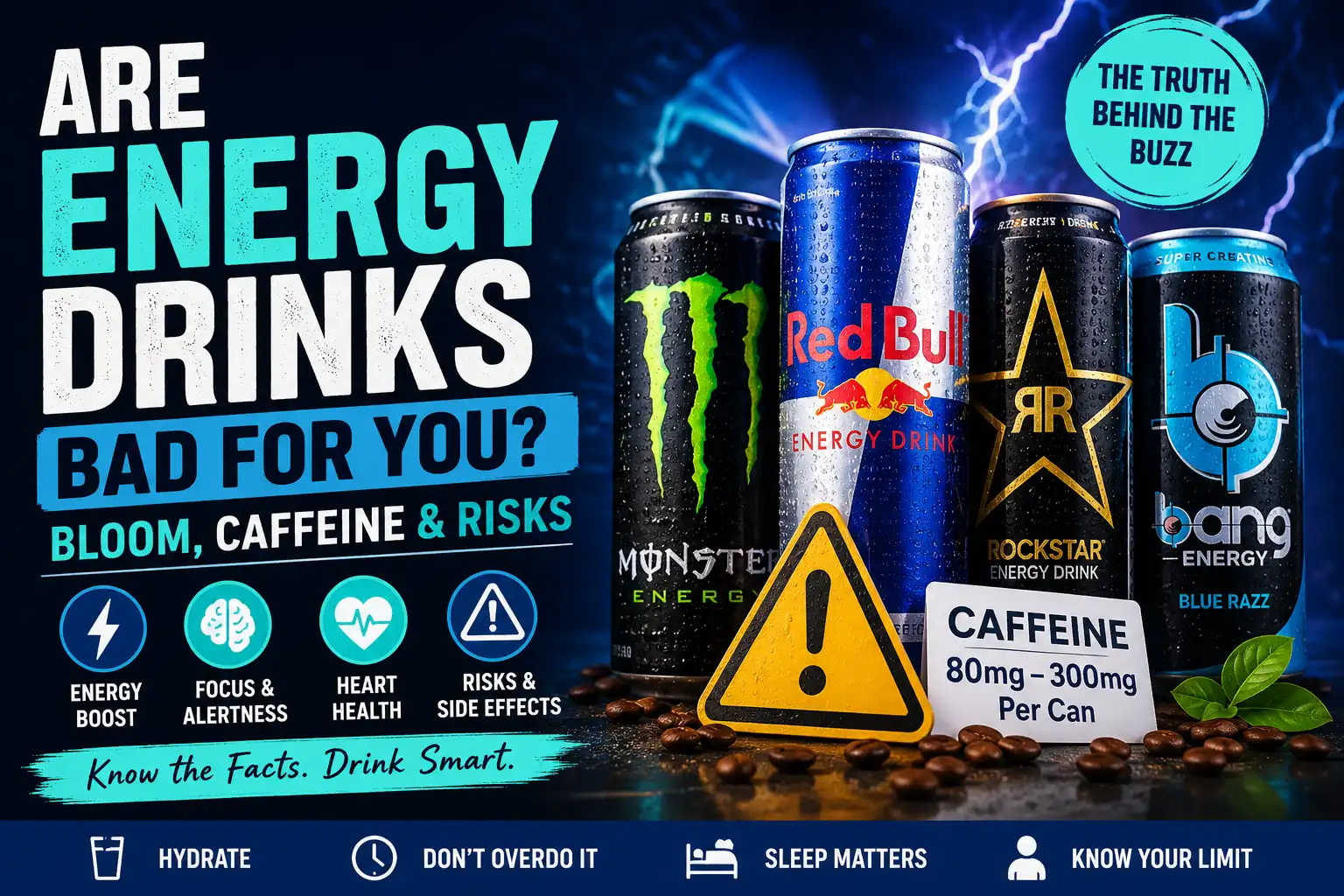
Popular brands include:
- Red Bull
- Monster Energy
- Rockstar Energy
- Celsius
- Bang Energy
- 5-hour Energy
Some products contain caffeine amounts equal to several cups of coffee in a single serving. Certain ingredients, such as guarana, may also contribute additional hidden caffeine.
Why Researchers Are Concerned About Energy Drinks
Doctors are not simply worried about caffeine alone. The concern comes from the combination of stimulants, the way energy drinks are consumed, and how they may affect the body under stress.
Situations That Increase Risk
Medical reports often involve people who:
- Consumed multiple energy drinks quickly
- Mixed energy drinks with alcohol
- Used stimulant-heavy pre-workout supplements
- Exercised intensely while dehydrated
- Stayed awake for long periods
- Already had hidden cardiovascular conditions
Emergency physicians have also documented cases involving otherwise healthy young adults who developed severe symptoms after excessive stimulant intake.
Can Energy Drinks Increase Stroke Risk?
Current evidence does not prove that every energy drink directly causes stroke. However, researchers continue studying how excessive stimulant intake may contribute to conditions associated with stroke risk.
Potential Cardiovascular Effects
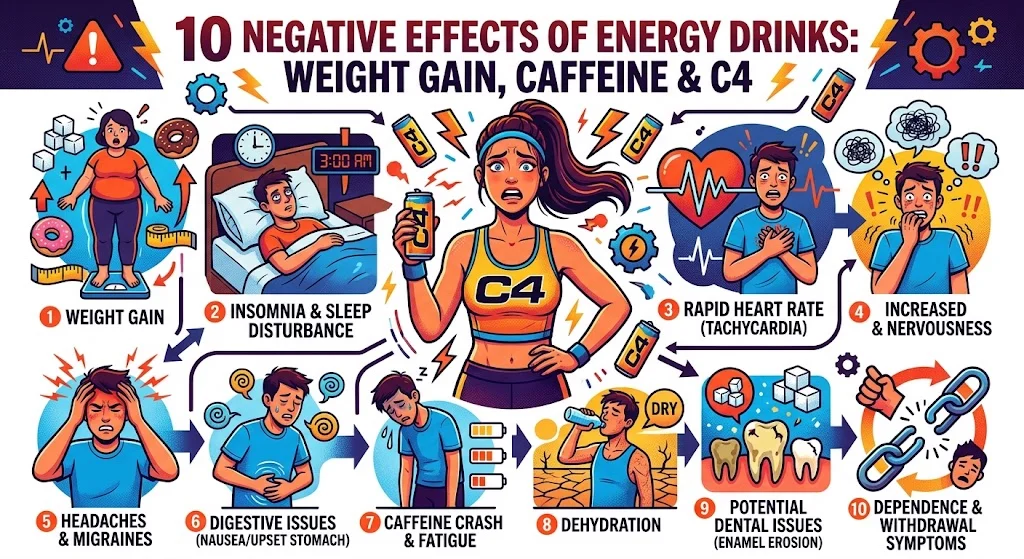
Heavy energy drink consumption may contribute to:
- Temporary spikes in blood pressure
- Abnormal heart rhythms
- Increased heart rate
- Blood vessel narrowing
- Cardiovascular stress
- Sleep disruption
- Anxiety-related stress responses
These effects may increase concern in people who already have underlying risk factors.
What Makes Stroke Risk Complicated
Stroke risk is rarely caused by one factor alone.
Instead, doctors often look at combinations such as:
- High blood pressure
- Smoking
- Diabetes
- Obesity
- Heart rhythm disorders
- Chronic stress
- Poor sleep
- Heavy caffeine intake
- Alcohol misuse
Energy drinks may worsen some of these existing risks in certain individuals.
How Energy Drinks Affect the Brain and Blood Vessels
The body reacts quickly to large stimulant doses. While moderate caffeine intake may temporarily improve focus and alertness, excessive intake can trigger stronger cardiovascular responses.
What Happens Inside the Body
Large stimulant doses may:
- Increase adrenaline release
- Raise blood pressure
- Increase heart workload
- Narrow blood vessels
- Disrupt normal heart rhythm
- Reduce sleep quality
- Increase dehydration risk
For some people, this combination may place added strain on blood vessels supplying the brain.
Why Blood Pressure Matters
High blood pressure is one of the leading stroke risk factors worldwide.
Temporary blood pressure spikes may not affect everyone equally, but repeated stimulant overload may increase cardiovascular stress over time.
Understanding Different Types of Stroke
Many readers are unaware that strokes fall into different categories.
Ischemic Stroke
This is the most common type of stroke. It happens when blood flow to the brain becomes blocked, often by a clot.
Risk factors include:
- High blood pressure
- Diabetes
- Smoking
- Heart rhythm disorders
- Blood vessel disease
Hemorrhagic Stroke
This occurs when a blood vessel in the brain ruptures and bleeds.
Extremely elevated blood pressure may increase this risk in vulnerable individuals.
Transient Ischemic Attack (TIA)
A TIA, often called a mini-stroke, temporarily blocks blood flow to the brain.
Symptoms may disappear quickly, but it still requires immediate medical attention because it may signal future stroke risk.
How Much Caffeine Is Too Much?
Many health organizations suggest healthy adults limit caffeine intake to around 400 milligrams daily. However, caffeine tolerance varies significantly.
Some people experience symptoms after one strong energy drink, while others tolerate larger amounts without immediate effects.
Factors That Affect Caffeine Sensitivity
Caffeine sensitivity depends on:
- Body size
- Genetics
- Sleep quality
- Medication use
- Stress levels
- Pregnancy
- Cardiovascular health
- Overall stimulant exposure
Why Energy Drinks Can Become Risky Quickly
Energy drinks are often consumed:
- During exhaustion
- Before workouts
- Late at night
- Rapidly
- Alongside other stimulants
This pattern increases the chance of caffeine overload.
Energy Drinks vs Coffee: Which Is Safer?
Many people compare energy drinks with coffee, but the products are not identical.
Plain coffee usually contains fewer additives and more predictable caffeine amounts.
Energy Drinks vs Coffee Comparison
| Factor | Energy Drinks | Coffee |
|---|---|---|
| Added stimulants | Often multiple | Usually minimal |
| Sugar content | Frequently high | Low if plain |
| Consumption speed | Often rapid | Usually slower |
| Serving size | Sometimes oversized | Easier to control |
| Cardiovascular concern | Higher in heavy use | Lower in moderation |
Important Difference
A single energy drink may contain:
- High caffeine levels
- Added stimulant compounds
- Large sugar doses
- Performance-enhancing ingredients
Coffee generally contains caffeine only unless additional ingredients are added.
Energy Drinks and Young Adults
Young adults are among the largest consumers of energy drinks.
College students, gamers, athletes, military personnel, and shift workers often use them during periods of sleep deprivation or mental stress.
Common High-Risk Habits
Doctors frequently warn about:
- Drinking multiple cans daily
- Combining energy drinks with alcohol
- Using caffeine pills simultaneously
- Taking stimulant-heavy pre-workout products
- Consuming energy drinks during dehydration
Social media challenges and gaming culture sometimes encourage excessive consumption behaviors that increase health risks.
The Risks of Mixing Energy Drinks With Alcohol
This combination remains one of the biggest public health concerns involving energy drinks.
The stimulant effect may create a false sense of alertness while alcohol continues impairing coordination and judgment.
Potential Dangers
Mixing alcohol and energy drinks may increase:
- Dehydration
- Risk-taking behavior
- Alcohol intake
- Blood pressure
- Cardiovascular strain
- Poor recovery sleep
This pattern is especially common in nightlife environments and college settings.
Exercise, Sports, and Energy Drinks
Many people use energy drinks before exercise or athletic training. That may increase stress on the body in certain situations.
Risk Factors During Exercise
Potential concerns rise when combined with:
- Heat exposure
- Dehydration
- Intense cardio exercise
- Sleep deprivation
- Stimulant supplements
Sports medicine experts often caution athletes against consuming excessive caffeine before prolonged high-intensity activity.
Energy Drinks and Heart Rhythm Problems
One major concern involves arrhythmias, also called abnormal heart rhythms.
Symptoms of Possible Arrhythmias
Some people experience:
- Heart palpitations
- Fluttering sensations
- Racing heartbeat
- Chest discomfort
- Dizziness
- Shortness of breath
People with underlying cardiovascular conditions may face higher risks from excessive stimulant intake.
Warning Signs That Need Immediate Medical Attention
Some symptoms should never be ignored after consuming energy drinks.
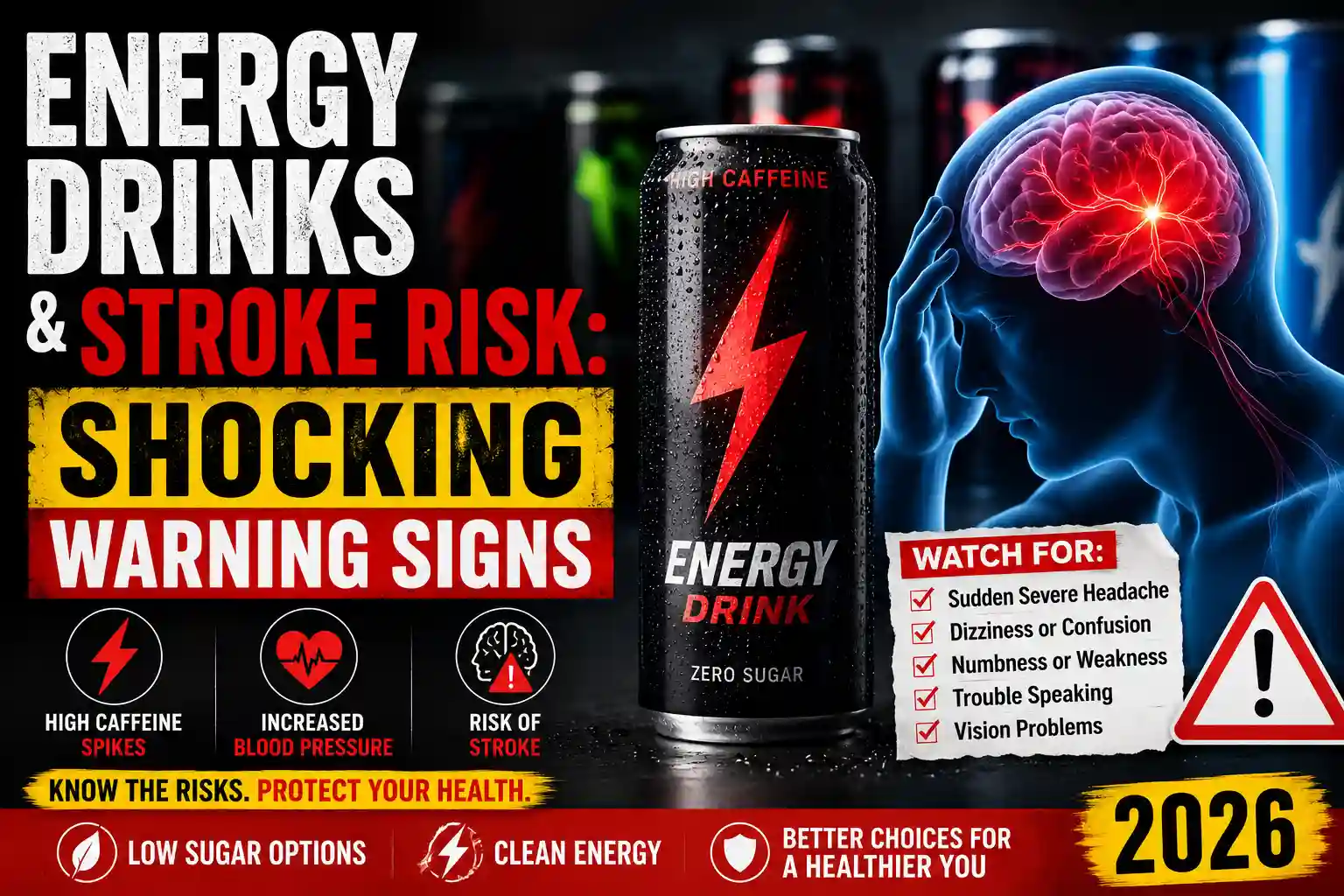
Seek Emergency Help Immediately For:
- Sudden weakness or numbness
- Facial drooping
- Slurred speech
- Severe chest pain
- Sudden confusion
- Difficulty walking
- Fainting
- Severe headache
- Vision changes
- Extremely rapid heartbeat
Remember the FAST Stroke Warning Signs
| Letter | Meaning |
|---|---|
| F | Face drooping |
| A | Arm weakness |
| S | Speech difficulty |
| T | Time to call emergency services |
Quick treatment can reduce long-term brain damage.
What Current Research Shows
Research on energy drinks continues growing as consumption rises worldwide.
Recent studies have linked excessive energy drink intake with:
- Increased blood pressure
- Abnormal heart rhythms
- Anxiety symptoms
- Sleep disruption
- Cardiovascular stress
- Emergency room visits
Researchers continue studying how repeated high-dose stimulant exposure affects long-term cardiovascular and neurological health.
Important Context
Most healthy adults will not experience stroke after drinking one energy drink.
The greatest concern involves:
- Heavy repeated intake
- Multiple risk factors combined
- Underlying medical conditions
- Chronic sleep deprivation
- Excessive stimulant exposure
Common Myths About Energy Drinks and Stroke
Myth: One Energy Drink Automatically Causes Stroke
Most healthy adults will not suffer a stroke after consuming one drink. Risk usually increases with excessive intake or existing health conditions.
Myth: Sugar-Free Energy Drinks Are Completely Safe
Sugar-free products may reduce sugar intake, but they can still contain very high stimulant levels.
Myth: Young People Cannot Have Stroke Risk
Young adults can still experience cardiovascular and neurological complications, especially when multiple risk factors are present.
Myth: Natural Ingredients Make Energy Drinks Harmless
Ingredients such as guarana and yerba mate still contain stimulant compounds that may affect blood pressure and heart rhythm.
Who Should Be Especially Careful With Energy Drinks?
Certain groups may face higher risks from high-stimulant beverages.
Higher-Risk Groups Include:
- People with high blood pressure
- Individuals with heart rhythm disorders
- Adults with diabetes
- People with migraines involving neurological symptoms
- Pregnant individuals
- Teenagers and children
- People using stimulant medications
- Individuals with anxiety disorders
- Adults with previous stroke history
Anyone with cardiovascular concerns should discuss caffeine intake with a healthcare professional.
Safer Alternatives to High-Stimulant Energy Drinks
Many people rely on energy drinks because they feel exhausted, stressed, or sleep deprived. Long-term energy management usually works better than repeated stimulant overload.
Lower-Stimulant Alternatives
Healthier options may include:
- Green tea
- Matcha
- Black tea
- Coconut water
- Fruit smoothies
- Protein shakes
- Electrolyte beverages
- Infused water
- Moderate cold brew coffee
Better Long-Term Energy Habits
Natural energy support often comes from:
- Consistent sleep schedules
- Hydration
- Regular movement
- Balanced meals
- Reduced alcohol intake
- Stress management
- Limiting late-night caffeine
Tips for Safer Energy Drink Use
Not everyone plans to eliminate energy drinks completely. Safer habits may reduce unnecessary risks.
Practical Safety Tips
- Read caffeine labels carefully
- Avoid multiple cans within short periods
- Stay hydrated
- Avoid mixing with alcohol
- Limit use before intense exercise
- Avoid combining with stimulant supplements
- Stop use if symptoms appear
- Choose smaller serving sizes
- Avoid energy drinks late at night
- Prioritize sleep over caffeine dependence
Moderation matters more than many people realize.
When To Talk to a Doctor
Recurring symptoms after energy drink use should not be ignored.
Consider Medical Advice If You Experience:
- Frequent palpitations
- Chest discomfort
- Severe headaches
- Dizziness after caffeine
- Anxiety after stimulants
- Sleep disruption
- High blood pressure readings
- Fainting episodes
A healthcare professional can help determine whether caffeine intake or an underlying medical condition may be contributing.
Frequently Asked Questions
Can energy drinks directly cause stroke?
There is no evidence that every energy drink directly causes stroke. However, excessive intake may contribute to conditions linked with stroke risk, including elevated blood pressure and abnormal heart rhythms.
Can caffeine increase blood pressure?
Yes. Large caffeine doses may temporarily raise blood pressure, especially in people sensitive to stimulants.
Are sugar-free energy drinks safer?
Sugar-free options may reduce sugar intake, but they still often contain high levels of caffeine and stimulant ingredients.
Can dehydration make energy drinks more dangerous?
Yes. Dehydration may intensify cardiovascular stress and worsen stimulant effects during exercise, heat exposure, or alcohol use.
Are gamers and students at higher risk?
Some may be, especially when energy drinks are combined with sleep deprivation, stress, and repeated high intake.
Can energy drinks trigger heart palpitations?
Yes. Excessive caffeine intake may trigger palpitations or irregular heartbeat symptoms in some individuals.
Is coffee safer than energy drinks?
Plain coffee generally contains fewer stimulant additives and less sugar than many energy drinks.
Should teenagers drink energy drinks?
Many pediatric experts recommend caution because younger individuals may be more sensitive to caffeine and stimulant effects.
Conclusion
The relationship between energy drinks and stroke risk remains an important area of medical research. While moderate caffeine intake may be tolerated by many healthy adults, excessive stimulant consumption can place additional stress on the cardiovascular and nervous systems.
The greatest concerns involve heavy intake, dehydration, alcohol mixing, sleep deprivation, and underlying heart or blood vessel conditions.
Understanding caffeine limits, reading labels carefully, recognizing warning signs, and practicing moderation can help reduce unnecessary risks. Anyone experiencing concerning symptoms after consuming energy drinks should seek medical advice promptly.