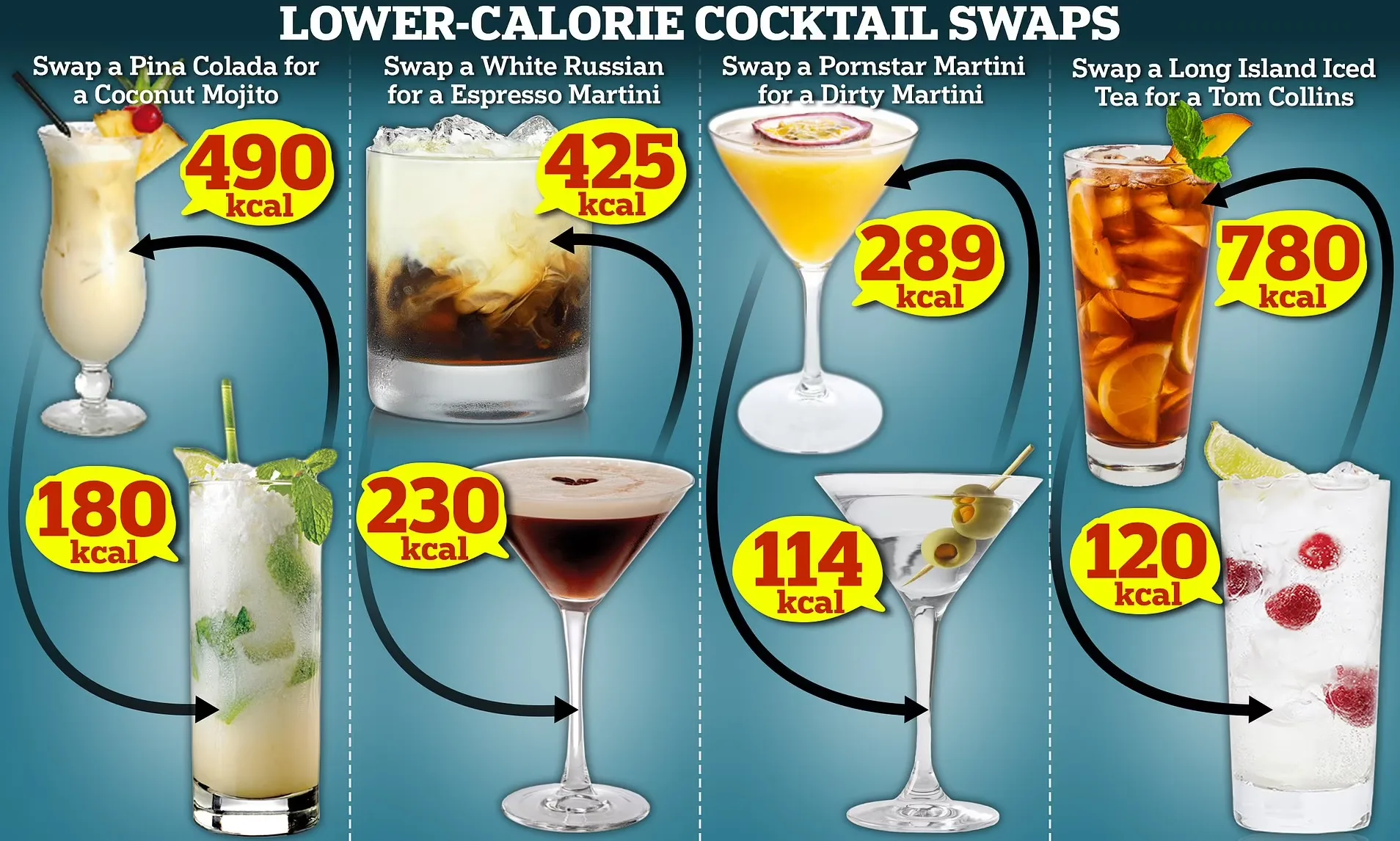
A practical guide to understanding calories, sugar, carbohydrates, serving sizes, mixers, and other nutrition factors that can affect alcoholic beverages.
If you’re looking for low calorie cocktails, understanding the nutrition profile of a complete drink is more useful than focusing on the liquor alone. Calories can come from alcohol itself as well as mixers, syrups, liqueurs, juice, soda, and other sweetened ingredients.
The same general principle applies when comparing low sugar cocktails, low carb cocktails, and lighter mixed drinks. A beverage can be low in sugar while still providing calories from alcohol, and a drink that appears light can become substantially higher in calories when the serving size increases.
Important Nutrition Note
Alcohol contains calories, so removing sugar does not make an alcoholic beverage calorie-free. Nutrition values can also vary by brand, alcohol concentration, serving size, and ingredients.
Quick Answer
The lowest-calorie alcoholic beverages are generally those with controlled serving sizes and little or no sugary mixer. A standard 1.5-ounce serving of many 80-proof distilled spirits provides roughly 100 calories before mixers, although exact values vary.
For low sugar cocktails, beverages containing soda water, sparkling water, unsweetened tea, fresh citrus, or herbs generally contain less added sugar than drinks made with regular soft drinks, syrups, or large amounts of sweetened juice.
Remember that low sugar does not automatically mean low calorie. Alcohol itself contributes calories.
Lowest-Calorie Drinks at a Glance
Comparing the complete beverage is more useful than comparing the base spirit. Serving size, alcohol concentration, juice, syrups, liqueurs, and mixers can all change the final nutrition profile.
| Drink Style | Approx. Calories* | Sugar Profile | Typical Mixer Category |
|---|---|---|---|
| Vodka soda | ~100+ | Very low when plain soda is used | Club soda |
| Gin soda | ~100+ | Very low when plain soda is used | Soda water |
| Tequila soda | ~100+ | Very low when plain soda is used | Sparkling water |
| Whiskey soda | ~100+ | Very low when plain soda is used | Soda water |
| Rum and soda | ~100+ | Very low when plain soda is used | Club soda |
| Ranch Water-style drink | ~100–120+ | Very low before optional sweet ingredients | Sparkling water |
| Light Martini-style drink | ~100–130+ | Very low to moderate | Dry vermouth |
| Dry wine spritzer | ~90–130+ | Low to moderate | Sparkling water |
| Light Paloma-style drink | ~110–140+ | Low to moderate | Grapefruit and soda |
| Light Margarita-style drink | ~120–160+ | Low to moderate | Lime and soda |
| Light Mojito-style drink | ~120–160+ | Low to moderate | Soda water |
| Light Mimosa-style drink | ~100–150+ | Low to moderate | Orange juice |
When a drink is advertised as being under 100 calories, serving size deserves particular attention. Many standard servings of distilled spirits already approach 100 calories, so a complete drink below that threshold may use a smaller serving or a particular formulation.
Simple Lower-Calorie Drink Categories
From a nutrition perspective, beverages with fewer ingredients can sometimes be easier to evaluate because there are fewer sources of added sugar and calories. The main factors to consider are the alcohol serving, mixer, sweeteners, and overall portion.
Spirit + Soda
Plain soda or sparkling water contributes little or no calories, making the mixer easier to account for.
Spirit + Citrus
Fresh lemon and lime can provide acidity and aroma without the sugar content of many sweetened mixers.
Dry Wine + Soda
Diluting dry wine with sparkling water can reduce the amount of wine per glass while adding volume.
Low-Sugar and No-Sugar Considerations
Low sugar cocktail recipes generally focus on limiting syrups, sweet liqueurs, regular soda, and large quantities of fruit juice. Plain soda water, sparkling water, fresh citrus, herbs, and unsweetened mixers can help reduce added sugar.
A no sugar cocktail can still contain calories from alcohol. Likewise, zero sugar cocktails are not automatically zero-calorie beverages.
Low-Carb and Keto Considerations
Many distilled spirits contain little to no carbohydrate before mixers are included. The ingredients added afterward can change the carbohydrate content significantly.
This makes low carb cocktails easier to evaluate when regular soda, sweet syrups, large juice portions, and sweetened mixers are avoided. However, low carb alcoholic drinks can still contain calories from alcohol.
- Plain soda water: generally contains no sugar or carbohydrates.
- Unsweetened sparkling water: generally provides no meaningful carbohydrate.
- Dry vermouth: can contribute a small amount of carbohydrate.
- Tonic water: regular versions can contain significant added sugar.
- Ginger beer: carbohydrate content varies considerably by product.
- Lemonade: sweetened versions can contribute substantial sugar.
- Fruit juice: naturally contains sugars and carbohydrates.
Calories by Spirit Type
The base spirit is one of the most important calorie sources in a mixed drink. Different spirits can have different alcohol concentrations, and higher alcohol concentration generally means more calories per equivalent volume.
Vodka
Standard-proof vodka is commonly around the same calorie range as other standard-proof distilled spirits when serving sizes are equivalent.
Gin
Gin’s botanical flavor does not eliminate alcohol calories. Mixer selection can make a large difference to the final beverage.
Tequila
Tequila can be paired with low-calorie mixers, but the alcohol serving still contributes calories.
Rum
Plain rum and flavored rum products should not automatically be considered nutritionally identical. Check the specific label when available.
Whiskey
Whiskey provides calories primarily through its alcohol content. Sweet mixers can increase the total considerably.
Bourbon
Bourbon is another distilled spirit where serving size and mixer selection are important when comparing calories.
Serving Size Matters
A double serving can add substantially more calories than a standard serving. When comparing beverages, always compare equivalent serving sizes.
Classic Cocktail Styles and Nutrition Considerations
Familiar cocktail categories can differ dramatically in calorie and sugar content depending on their formulation. A classic drink name does not guarantee a particular nutrition profile.
| Cocktail Style | Main Nutrition Consideration | Common Source of Added Calories |
|---|---|---|
| Margarita | Alcohol plus sweetened ingredients | Sweet-and-sour mix, syrups, liqueurs |
| Mojito | Alcohol plus sweetener | Sugar or syrup |
| Paloma | Alcohol plus grapefruit mixer | Sweetened grapefruit soda |
| Moscow Mule | Alcohol plus ginger mixer | Regular ginger beer |
| Cosmopolitan | Alcohol plus juice and liqueur | Cranberry juice and orange liqueur |
| Daiquiri | Alcohol plus citrus and sweetener | Syrup |
| Whiskey Sour | Alcohol plus sweet-and-sour components | Syrup or sweetened sour mix |
| Old Fashioned | Alcohol plus small amount of sweetener | Sugar or syrup |
Champagne, Sparkling Wine, and Wine Drinks
Wine-based beverages can fit into a calorie-conscious comparison, but the type of wine and serving size matter. Dry wines generally contain less residual sugar than sweeter wines, although sugar is only one component of total calories.
- Mimosa-style drinks: orange juice can increase sugar and calories.
- Bellini-style drinks: peach purée or sweetened peach products can add sugar.
- Wine spritzers: sparkling water can increase volume without adding much energy.
- Sangria: fruit, juice, syrup, and sweet wine can substantially change nutrition.
- Sparkling wine: sweetness level varies between brut, extra-dry, dry, and sweeter styles.
Beer Cocktails and Light Beer Drinks
Beer-based drinks can vary widely in calories because beer itself differs by style, alcohol concentration, serving size, and formulation. Adding soda, syrup, sweetened juice, or other ingredients can increase the total.
- Light beer: often contains fewer calories than comparable full-strength versions.
- Shandy-style drinks: citrus mixers can add sugar depending on the product.
- Michelada-style drinks: tomato products and sauces vary by brand.
- Fruit beer drinks: fruit beverages and syrups can increase sugar.
- Beer punches: multiple ingredients make total nutrition harder to estimate.
Low-Calorie Mixers That Make a Difference
Mixer selection can dramatically change the nutrition profile of an alcoholic beverage. The same base spirit can produce a very different calorie and sugar total depending on what fills the glass.
| Mixer | Nutrition Consideration | What to Check |
|---|---|---|
| Club soda | Generally calorie-free | Check flavored varieties for sweeteners |
| Sparkling water | Usually very low or calorie-free | Check flavored products |
| Soda water | Generally calorie-free | Check flavored versions |
| Diet tonic | Usually lower in sugar than regular tonic | Check nutrition label |
| Sugar-free tonic | Little or no sugar depending on product | Calories and sweeteners |
| Unsweetened iced tea | Generally low calorie | Ensure it is unsweetened |
| Unsweetened cranberry juice | Nutrition varies by product | Carbohydrates and serving size |
| Low-calorie ginger beer | Can vary considerably | Calories, sugar, and carbohydrates |
| Low-sugar ginger ale | Usually lower sugar than regular versions | Nutrition label |
| Fresh citrus juice | Contains natural sugar | Portion size |
When buying packaged mixers, always compare nutrition labels. Products marketed as low calorie tonic water, low calorie ginger beer, or low calorie ginger ale can vary significantly from one another.
Fresh Citrus, Fruit, and Low-Calorie Garnishes
Flavor does not have to come exclusively from added sugar. Fresh citrus, herbs, cucumber, berries, and other produce can contribute aroma and flavor while helping reduce reliance on heavily sweetened mixers.
For people searching for low calorie fruity cocktails, the important distinction is between using fruit primarily for flavor and using large quantities of fruit juice or sweetened fruit products.
Fruity and Tropical Cocktails: What to Watch
Fruit-forward alcoholic beverages can contain more calories than expected because juices, coconut products, syrups, and sweetened mixers can quickly increase the total.
Pineapple
Pineapple juice contains natural sugar and calories, so portion size matters.
Coconut
Coconut-based ingredients can vary widely in calories and added sugar.
Berries
Whole berries can provide flavor and visual appeal without the same sugar concentration found in some syrups and juices.
Low-Calorie Cocktails for Summer
Summer beverages often include sparkling water, citrus, cucumber, berries, and other fresh ingredients. From a nutrition perspective, these ingredients can provide flavor without requiring large amounts of sugary mixer.
For low sugar drinks for summer, pay particular attention to sweetened lemonade, regular soda, flavored syrups, and large portions of fruit juice.
Winter, Holiday, and Dinner Cocktails
Seasonal beverages often use warm spices, citrus peel, tea, wine, cream, syrups, and flavored mixers. The calorie difference between versions can therefore be substantial.
- Warm spices can add aroma without significant calories.
- Citrus peel can add fragrance without large amounts of juice.
- Sweetened syrups can increase calories quickly.
- Cream-based ingredients can substantially increase energy density.
- Sweet wines generally contain more residual sugar than dry wines.
For low calorie cocktails for dinner, dry wine-based drinks and simple spirit-forward beverages can have less added sugar than creamy or heavily sweetened alternatives, although the alcohol itself still contributes calories.
Brunch, Happy Hour, and Restaurant Drinks
Restaurant beverages can be difficult to compare because recipes, serving sizes, and ingredients vary. Pre-made mixers can also contain more sugar than expected.
When evaluating low calorie restaurant cocktails or low calorie bar drinks, ask about the ingredients and serving size if nutrition information is important.
Party Drinks and Punches: Nutrition Considerations
Punches and large-format beverages can be difficult to evaluate because multiple ingredients are combined in a single serving. Fruit punch, soda, syrups, juice, liqueurs, and sweet wine can all raise sugar and calorie content.
For low calorie drinks for a crowd, nutrition is easier to estimate when each ingredient has a clearly defined serving size and nutrition information is available.
Portion Awareness
Large containers can make it difficult to recognize how much alcohol is in an individual serving. Comparing drinks by the actual serving size is more meaningful than comparing the total volume of a punch bowl or pitcher.
Understanding Low-Calorie Drinks at Home
Preparing beverages at home makes it easier to see exactly which ingredients contribute calories, sugar, and carbohydrates. From a nutrition perspective, the most useful information to track is the serving size of the alcohol, sweetened ingredients, and mixer.
Check the Spirit
Compare alcohol concentration and serving size rather than assuming every spirit has the same calorie content.
Check the Mixer
Regular soda, tonic, lemonade, syrups, and juice can add significant sugar.
Check the Label
Packaged mixers and flavored alcoholic beverages can vary significantly in calories, sugar, and carbohydrates.
Cocktails Under 100 and 150 Calories
Searches for low calorie drinks under 100 calories, cocktails under 100 calories, and low calorie cocktails under 100 calories require an important qualification: the complete recipe and serving size determine whether a beverage actually meets that threshold.
A standard serving of many 80-proof distilled spirits is already close to 100 calories before mixers are included. Therefore, claims below 100 calories should always specify the serving size and formulation.
A more practical comparison point for a full-size mixed drink can be under 150 calories, although the actual value still depends on ingredients and portion size.
| Drink Category | What Can Affect Calories |
|---|---|
| Spirit + soda | Alcohol serving size and proof |
| Dry wine spritzer | Wine type and wine-to-soda ratio |
| Light Paloma-style drink | Grapefruit product and alcohol serving |
| Light Margarita-style drink | Sweetener, liqueur, citrus, and serving size |
| Light Mojito-style drink | Sugar or syrup and alcohol serving |
| Light Mimosa-style drink | Orange juice amount and sparkling wine |
How to Make Any Alcoholic Drink Lower in Calories
You don’t need to rely on a particular cocktail name to understand its calorie profile. Instead, evaluate the individual components of the beverage.
- Check the alcohol serving. A larger serving means more alcohol calories.
- Look at the mixer. Regular soda and sweetened mixers can add substantial sugar.
- Check syrups. Added sweeteners can increase both sugar and calories.
- Check liqueurs. Many liqueurs contain both alcohol and sugar.
- Consider juice portions. Fruit juice contains natural sugar and calories.
- Compare wine styles. Dry and sweet wines can differ in residual sugar.
- Read packaged labels. Tonic, ginger beer, flavored soda, and other mixers vary by brand.
- Compare equivalent serving sizes. A small serving and a large serving cannot be fairly compared.
What Makes an Alcoholic Beverage Low-Calorie?
The phrase low calorie alcoholic drinks can be misleading if only sugar is considered. Alcohol itself contributes calories, which means that a sugar-free beverage can still provide meaningful energy.
Alcohol Concentration
A higher alcohol concentration generally means more alcohol calories per equivalent volume. Serving size therefore matters alongside alcohol percentage.
Sugar
Syrups, sweet liqueurs, regular tonic, soda, lemonade, and sweetened juices can contribute additional sugar and calories.
Mixer
Club soda, sparkling water, and soda water are generally easier to keep low in calories than regular soft drinks and sweetened mixers.
Portion
Portion size can have a larger effect than a garnish or small ingredient change. A double serving contains substantially more alcohol than a standard serving.
Garnish
Citrus peel, lemon, lime, mint, cucumber, herbs, and small amounts of fresh fruit can add aroma and visual appeal without relying heavily on syrup.
Think About the Whole Beverage
Calorie-conscious cocktails should be evaluated using the complete beverage: alcohol concentration, serving size, mixer, sweeteners, juice, liqueurs, and other ingredients.
FAQs
What are the lowest-calorie alcoholic drinks?
Simple alcoholic beverages made with a controlled serving of standard-proof spirits and little or no sugary mixer are often among the lower-calorie options. Exact calories depend on proof, serving size, and ingredients.
What are the best low-sugar alcoholic drinks?
Drinks using plain soda water, sparkling water, fresh citrus, herbs, or unsweetened mixers generally contain less added sugar than beverages made with syrups, regular soda, or large amounts of sweetened juice.
Are sugar-free alcoholic drinks the same as low-calorie drinks?
No. Sugar-free means the beverage contains little or no sugar, but alcohol still contributes calories. Therefore, zero-sugar does not mean zero-calorie.
What affects the calories in a mixed drink the most?
The alcohol serving, alcohol concentration, sugary mixers, syrups, liqueurs, fruit juice, and total serving size can all have significant effects.
Are cocktails suitable for a keto or low-carb diet?
Some alcoholic beverages can contain relatively little carbohydrate, but mixers can change the total substantially. Tonic, ginger beer, lemonade, juice, and sweetened soda should be checked carefully.
Can a margarita-style drink be low in sugar?
Its sugar content depends heavily on the formulation. Commercial sweet-and- sour mixes, syrups, and sweet liqueurs can increase sugar considerably.
Are cocktails under 100 calories realistic?
They can be possible depending on serving size and formulation, but many standard servings of distilled spirits already approach 100 calories before mixers are added. Always check the complete serving.
Are cocktails under 150 calories easier to achieve?
A 150-calorie target gives more room for a standard-size beverage, but the exact calorie count still depends on alcohol, serving size, sweeteners, juice, and mixers.
Does fresh fruit automatically make a drink low-calorie?
Not necessarily. Whole fruit can be a flavorful ingredient, but fruit juice, purée, syrups, and large portions can add calories and sugar.
Is tonic water low-calorie?
Regular tonic water can contain added sugar. Diet and sugar-free versions are often lower in calories, but the nutrition facts vary by product.
Are sparkling water and club soda calorie-free?
Plain versions are generally calorie-free, although flavored products can contain sweeteners or other ingredients. Check the label when precision is important.
Why can a low-sugar drink still be high in calories?
Alcohol itself provides calories. Removing sugar lowers sugar content but does not remove the calories supplied by alcohol.
Conclusion
The most useful way to evaluate low calorie cocktails is to look at the complete beverage rather than focusing on one ingredient. Alcohol concentration, serving size, sweeteners, juice, liqueurs, mixers, and wine or beer style can all influence the final calorie and sugar content.
If you’re comparing low sugar cocktails, low carb cocktails, or lighter alcoholic beverages, plain sparkling water, soda water, fresh citrus, unsweetened mixers, and controlled portions can make nutrition comparisons easier.
Most importantly, remember that low sugar is not the same as low calorie. Alcohol contributes calories regardless of whether a beverage contains added sugar.
When exact nutrition matters, check the specific product label, recipe, alcohol concentration, and serving size rather than relying only on terms such as “skinny,” “light,” “zero sugar,” or “low calorie.”
Read More:
What Can I Drink After a Tooth Extraction
100 Fruit Drink Recipes: Juices, Smoothies & Mocktails
16 Best Non-Alcoholic After Dinner Drinks for Any Evening
Best Places for Non-Alcoholic Drinks in Las Vegas: 2026 Guide
Bob Marley Mocktail: Easy Non-Alcoholic Layered Drink
Liquid Maria Juana Drink: Easy Tropical Cocktail Recipe
Gasolina Drink: Flavors, ABV, Ingredients & More