
When you think about home improvement, you probably picture insulation, roofing, windows, or a cleaner HVAC setup. You may not think about pests until you hear scratching above your ceiling at 2 a.m. Seasonal temperature swings change how your house performs, and they also change how animals interact with it. Once outdoor conditions shift, your attic, crawl space, and wall cavities can start looking like shelter instead of structure.
Attics become prime shelter when outdoor conditions turn unstable
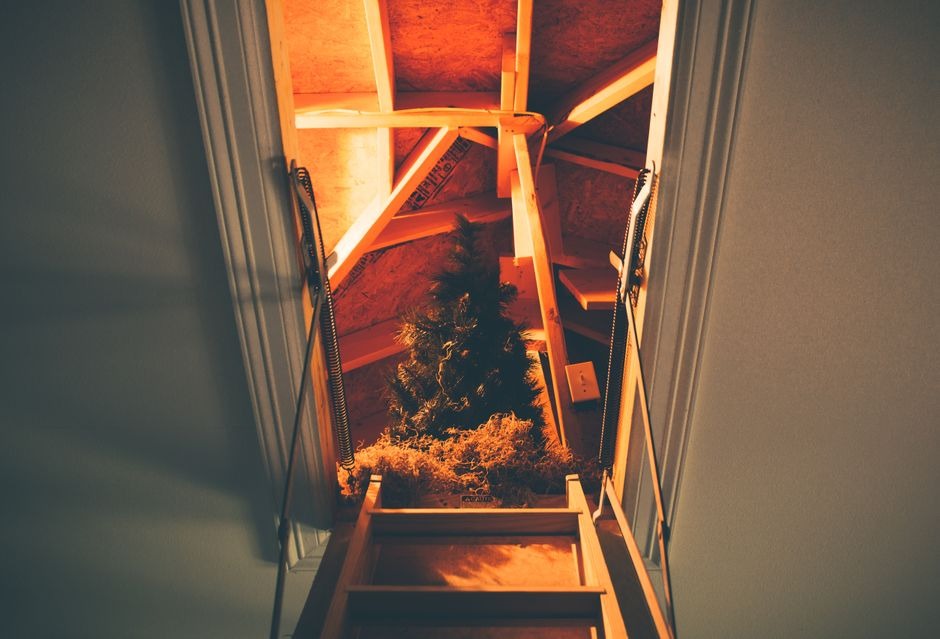
Your attic sits in a strange middle zone. It’s not truly indoors in the same way your bedroom is, but it’s still protected from wind, rain, and predators. During seasonal transitions, that makes it valuable shelter.
Cool evenings followed by mild daytime temperatures create a stable refuge in attics, especially in regions where fall doesn’t bring hard freezes right away. Rodents can settle in before you notice anything unusual. If your insulation is disturbed, your energy bills may climb before you ever hear movement.
Professionals who explain why roof rats move into attics in cooler weather point to a simple pattern: once exterior temperatures dip, elevated enclosed spaces become more appealing. Roof rats favor upper areas, which puts attics, rafters, and roof-adjacent voids directly in play.
Your home changes with the weather, and pests notice first
You already know your house expands, contracts, and breathes differently as temperatures shift. Rooflines cool down at night, soffits collect moisture, and attic air can become far more stable than the outside environment. Pests respond to those changes fast.
Rodents, insects, and even small wildlife aren’t randomly entering homes. They’re tracking warmth, access to nesting material, and reliable cover. A tiny gap around flashing, a lifted shingle edge, or an unsealed utility penetration can become an entry point. In home performance terms, these are enclosure weaknesses. In pest-control terms, they’re invitations.
That overlap matters because many seasonal pest issues aren’t caused by a dirty house. They’re often tied to structural vulnerability, deferred maintenance, or airflow imbalances that make one part of your home more attractive than another.
Small exterior defects often create bigger interior problems
Most homeowners look for obvious damage, like missing shingles or a visible hole in siding. Pest access usually starts with less dramatic issues. A warped fascia board, cracked vent screen, loose eave return, or dried-out sealant bead may be enough.
You don’t need a wide opening for trouble. Some rodents can squeeze through gaps that seem too small to matter. Once inside, they contaminate insulation, chew wiring, and leave urine trails that create odor persistence. If you’ve ever had a “mystery smell” that worsens when the HVAC runs, that can be part of the story.
This is where home improvement and pest prevention connect in a practical way. Air sealing, vent screening, and exterior repair work are not just energy-efficiency upgrades. They can also reduce wildlife pressure and lower the odds of repeat infestations.
Insulation and ventilation can either help you or work against you
You might assume a well-insulated attic always discourages pests. It’s not that simple. Insulation can become nesting material, and attics with poor ventilation often maintain conditions that pests find easier to tolerate.
If hot air, humidity, and dust build up in the wrong way, your attic can support ongoing activity instead of acting as a temporary stop. Compressed or tunneled insulation is a common sign of rodent movement. You may also spot droppings near trusses, wiring runs, or the attic hatch.
Balanced ventilation still matters because it helps regulate temperature and moisture. Ridge vents, soffit vents, and properly sealed bypasses support building durability. They also make the space less hospitable over time. If vent openings are damaged or poorly screened, though, the same airflow system can double as an access route.
Landscaping and roof design shape pest traffic more than you think
The outside of your home influences what reaches the inside. Tree limbs touching the roofline create a direct bridge for climbing pests. Dense shrubs near exterior walls give cover near weep holes, vents, and foundation transitions. Even stacked firewood can increase activity close to the building envelope.
Roof geometry plays a role too. Intersections, valleys, dormers, and attached structures create shaded, protected zones where animals can move unseen. Multi-level roofs often provide more access points than simple gable designs. If you have fruit trees or pet food outside, that raises the appeal further.
This isn’t just about appearance or yard maintenance. A neat-looking property can still support strong pest pressure if vegetation is too close or the roofline offers easy movement paths. Trimming branches back and reducing cover near the house changes the approach route before pests test the structure itself.
Warning signs usually appear before the problem feels serious
A full-blown infestation rarely begins with dramatic evidence. More often, you get subtle clues first. Light scratching after sunset, faint noises above a hallway, insulation debris near an attic access panel, or dark rub marks along entry edges all count.
You may also notice performance issues that seem unrelated. Rooms under the attic may become harder to cool. Odors can intensify during warm afternoons. In some cases, tripped breakers or flickering lights point to chewed wiring, which moves the issue from annoying to dangerous.
Catching the problem early gives you more options. Inspection is not only about confirming whether something is inside. It’s also about finding how it got in, what conditions supported it, and what repairs will keep the issue from repeating next season.
Prevention works best when you treat the house as a system
Quick fixes can help, but long-term results usually come from a systems mindset. If you only remove the pest and ignore the entry conditions, you’re leaving the structure available for the next wave. The smarter approach combines exclusion, repair, sanitation, and monitoring.
Start with the roofline, vents, fascia, soffits, chimney intersections, and utility penetrations. Then check the attic itself for staining, nesting, disturbed insulation, and duct damage. Outside, cut back branches, reduce dense vegetation near walls, and secure food sources, including bird seed and trash.
A strong prevention plan treats your house like an interconnected shell, not a set of separate problems. That perspective improves durability, indoor air quality, and comfort at the same time. Seasonal pest risk doesn’t disappear completely, but your home becomes much harder to exploit.
Read more: How to Plan a Shower Remodel for Safety, Comfort, and Long-Term Use