When temperatures drop across Oklahoma, many homeowners expect household pest activity to slow down. However, bed bugs are an exception. These insects can remain active inside heated homes, even when outdoor temperatures fall below freezing.
Discovering bed bugs in winter often raises an important question: Can professional heat treatment still eliminate an infestation during cold weather?
Fortunately, bed bug heat treatment does not depend on warm outdoor conditions. Instead, trained technicians use specialized equipment to generate and monitor the temperatures necessary to kill bed bugs and their eggs.
Understanding how this process works can help homeowners avoid ineffective winter remedies and make informed treatment decisions. So, how does heat treatment work when it’s freezing outside?
Why Bed Bugs Survive During Cold Weather
Bed bugs can survive winter because indoor heating protects them from prolonged exposure to freezing temperatures. Unlike pests that spend much of their lives outdoors, bed bugs typically remain close to people inside buildings.
Heated Homes Provide Favorable Conditions
Most Oklahoma households maintain comfortable indoor temperatures throughout winter.
These conditions allow bed bugs to continue hiding, feeding, and potentially reproducing regardless of the weather outside.
According to the Centers for Disease Control and Prevention (2024), bed bugs commonly hide around mattresses, furniture, and other locations near sleeping areas.
Because these hiding places remain indoors, seasonal temperature changes may have little effect on an established infestation.
Why Freezing Weather Does Not Guarantee Elimination
Although sufficiently low temperatures can kill bed bugs, ordinary winter conditions rarely expose every hidden insect to lethal cold.
Mattresses, wall cavities, and furniture crevices provide protected environments.
Opening windows or turning off the heating system is not a reliable extermination method. It may also create safety risks, including frozen plumbing.
Homeowners should not assume that a few freezing nights will eliminate an indoor infestation.
How Bed Bug Heat Treatment Works During Winter
Bed bug heat treatment uses professional heating equipment to raise temperatures inside affected areas to levels that bed bugs cannot survive. The process relies on controlled indoor conditions rather than outdoor weather.
Specialized Equipment Raises Indoor Temperatures
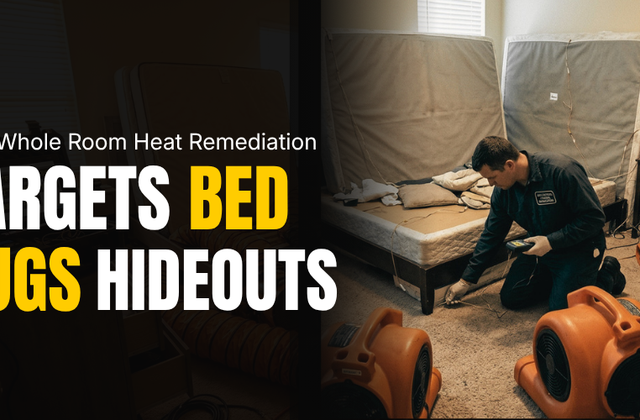
Professional technicians use commercial heating systems, air circulation equipment, and temperature sensors to distribute heat throughout treatment areas.
The U.S. Environmental Protection Agency (n.d.-a) explains that sustained exposure to sufficiently high temperatures can kill bed bugs and their eggs.
However, reaching the appropriate air temperature alone is not enough. Heat must penetrate the locations where insects are hiding.
Technicians monitor temperatures to help ensure treatment conditions are maintained for the required duration.
Does Outdoor Cold Affect Treatment Effectiveness?
Cold outdoor temperatures may influence how quickly a building heats up or how much energy is needed to maintain treatment temperatures.
However, professional equipment is designed to generate controlled heat inside the treatment area.
Technicians may adjust equipment placement, heating duration, and monitoring procedures based on the building’s insulation and environmental conditions.
The important factor is whether lethal temperatures reach bed bugs and their eggs, not whether the treatment occurs during summer or winter.
Benefits of Heat Treatment for Bed Bugs in Winter
Professional heat treatment for bed bugs offers several advantages for homeowners dealing with winter infestations. Its effectiveness depends on proper application, temperature monitoring, and preparation.
Heat Can Reach Multiple Hiding Places
Bed bugs frequently hide inside mattress seams, bed frames, upholstered furniture, and narrow structural openings.
When performed correctly, heat treatment can reach many of these locations without requiring technicians to locate every individual insect.
This makes it useful for infestations involving several pieces of furniture or multiple hiding areas.
However, densely packed belongings and poorly heated spaces may prevent sufficient heat penetration.
Proper preparation and professional monitoring remain essential.
Heat Treatment Does Not Depend on Chemical Residues
Heat treatment kills bed bugs through temperature exposure rather than relying on residual insecticides.
This may appeal to homeowners who prefer a treatment approach that does not use chemical insecticides as its primary control method.
However, heat treatment generally does not provide ongoing residual protection against newly introduced insects.
Additional monitoring or complementary treatment methods may be recommended depending on the infestation.
When Should Oklahoma Homeowners Schedule Professional Treatment?
Homeowners should seek professional assistance when they identify live bed bugs, characteristic spotting, or repeated evidence of activity. Waiting for warmer weather can allow an infestation to continue spreading.
Warning Signs That Require Attention
Common signs of bed bugs include:
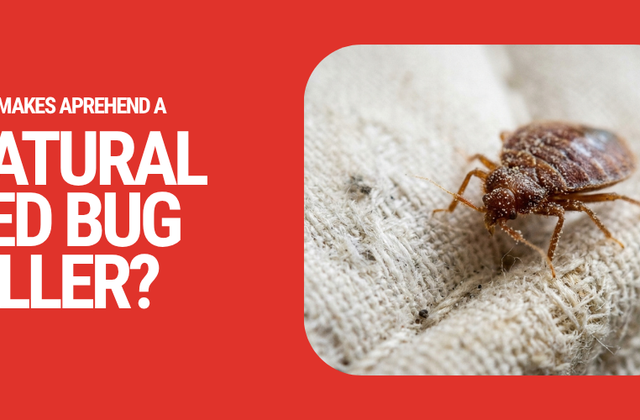
- Live reddish-brown insects near sleeping areas
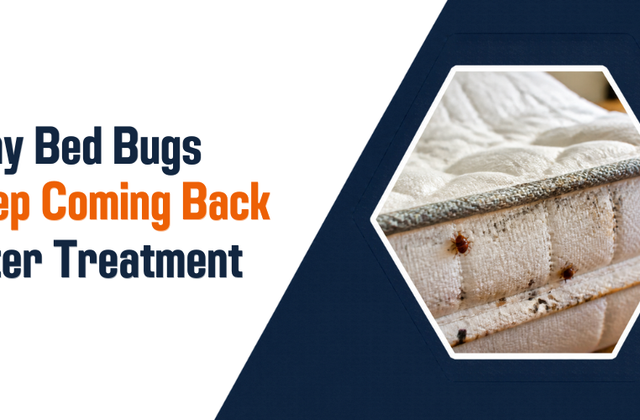
- Dark fecal spotting along mattress seams
- Pale shed skins inside furniture crevices
- Small whitish eggs in protected hiding places
- Repeated evidence of activity in multiple rooms
The EPA’s bed bug identification guidance (n.d.-b) recommends checking physical evidence rather than relying on bites alone.
If suspicious insects are discovered, proper identification helps determine whether treatment is necessary.
Choosing a Professional Heat Treatment Provider
A qualified exterminator should inspect the property, explain preparation requirements, and describe how treatment temperatures will be monitored.
Homeowners considering professional bed bug heat treatment in Oklahoma can consult Oklahoma Bed Bug Exterminators to discuss available treatment options for their property.
Before scheduling, ask about heat-sensitive belongings, treatment duration, follow-up inspections, and any recommended preventive measures.
These details help homeowners understand what to expect during the process.
Eliminate Bed Bugs Without Waiting for Warmer Weather
Cold outdoor temperatures do not automatically eliminate bed bugs living inside heated homes. These insects can continue feeding and reproducing throughout winter when indoor conditions remain favorable.
Fortunately, professional bed bug heat treatment can be performed during cold weather because it uses specialized equipment to create controlled treatment temperatures.
The success of heat treatment for bed bugs depends on proper preparation, sufficient heat penetration, and careful monitoring.
If you discover bed bugs in winter, do not wait for spring or rely on outdoor freezing temperatures. A professional inspection can help identify the infestation and determine the most appropriate treatment strategy.
Read more: How Seasonal Temperature Swings Quietly Change Your Home’s Pest Risk