20 Best Zero Sugar Drinks in 2026: Healthy & Refreshing Picks
Compare zero-sugar sodas, sparkling water, tea, coffee, electrolyte drinks, energy drinks, and caffeine-free choices—plus learn how to read sugar labels and choose the right drink for your needs.
Zero sugar drinks now cover far more than diet cola. U.S. shoppers can choose unsweetened sparkling water, zero-sugar soda, brewed tea, coffee, electrolyte drinks, energy drinks, and caffeine-free options.
The best choice depends on what you actually want from the drink. Some people want sweetness without sugar. Others want no sweeteners at all, less caffeine, stronger carbonation, or something suitable for everyday hydration.
This guide separates those choices instead of treating every zero-sugar beverage as equal. It also explains zero sugar vs. sugar free vs. no added sugar, common sweeteners, caffeine, acidity, and what to check before buying.
What Are the Best Zero Sugar Drinks?
The best zero sugar drinks include plain water, sparkling water, LaCroix, Waterloo, Coca-Cola Zero Sugar, Pepsi Zero Sugar, Sprite Zero Sugar, Fresca, Zevia, unsweetened tea, black coffee, Gatorade Zero, and Red Bull Zero.
For everyday sipping, start with water, unsweetened tea, coffee, or sparkling water. Choose sweetened zero-sugar soda when you want a closer replacement for regular soda, and always check caffeine when choosing energy drinks or colas.
Best Zero Sugar Drinks at a Glance
The list below combines naturally unsweetened beverages with packaged drinks currently sold in the United States. “Best for” refers to practical use, not a laboratory or blind taste-test ranking.
| Drink | Type | Sweetness Style | Best For |
|---|---|---|---|
| Plain water | Still water | No sweetener | Everyday hydration |
| Plain sparkling water | Carbonated water | No sweetener | Simple fizz |
| LaCroix | Flavored sparkling water | No sweetener | Light fruit flavor |
| Waterloo | Flavored sparkling water | No sweetener | Bolder sparkling flavor |
| Coca-Cola Zero Sugar | Cola | High-intensity sweeteners | Classic cola cravings |
| Coca-Cola Zero Sugar Caffeine Free | Cola | High-intensity sweeteners | Evening cola |
| Pepsi Zero Sugar | Cola | Zero-sugar sweetened | Pepsi drinkers |
| Sprite Zero Sugar | Lemon-lime soda | Aspartame + Ace-K | Caffeine-free citrus soda |
| 7UP Zero Sugar | Citrus soda | Zero-sugar sweetened | Crisp lemon-lime flavor |
| Fresca | Citrus soda | Zero-sugar sweetened | Grapefruit-style fizz |
| Zevia Cola | Cola | Stevia | Stevia-sweetened soda |
| Zevia Caffeine Free Cola | Cola | Stevia | Caffeine-free cola |
| Pure Leaf Unsweetened Tea | Brewed iced tea | No sugar | Ready-to-drink tea |
| Pure Leaf Zero Sugar Sweet Tea | Sweet-style iced tea | Zero-sugar sweetened | Sweet tea flavor |
| Black coffee | Coffee | No sweetener | Morning caffeine |
| Cold brew | Coffee | No sweetener | Smooth iced coffee |
| Unsweetened black or green tea | Tea | No sweetener | Hot or iced sipping |
| Caffeine-free herbal tea | Herbal infusion | No sweetener | Evening drinks |
| Gatorade Zero | Electrolyte drink | Zero-sugar sweetened | Sweaty workouts |
| Red Bull Zero | Energy drink | Low/no-calorie sweeteners | Adult caffeine option |
LaCroix currently promotes its sparkling water as having zero calories and zero sweeteners, while Waterloo states its line contains zero sugar or sweeteners and is caffeine-free.
What Does Zero Sugar Actually Mean?
“Zero sugar” sounds absolute, but U.S. food-label rules contain an important detail. A food or beverage may qualify for a sugar-free or similar claim when it contains less than 0.5 gram of sugars per serving, subject to applicable labeling requirements.
The Nutrition Facts panel can express less than 0.5 gram of Total Sugars as 0 grams. Therefore, a printed “0 g” does not always mean laboratory testing would find mathematically no sugar molecules at all.
Zero Sugar vs. Sugar Free vs. No Added Sugar
These phrases are related, but they do not always mean the same thing.
| Label Term | What It Tells You | What to Check |
|---|---|---|
| Zero sugar / sugar free | Meets the applicable very-low-sugar claim threshold | Total Sugars and serving size |
| 0 g Total Sugars | Label declares zero grams per serving | Remember rounding rules |
| No added sugar | Sugar was not added during processing | Natural sugar may remain |
| Unsweetened | No sweetness was intentionally added | Check Total Sugars anyway |
| Diet | Usually signals a lower-calorie product position | Formula varies by brand |
A no-added-sugar drink can still contain natural sugar. Milk contains lactose, while fruit juice contains naturally occurring sugars even when manufacturers add no table sugar or syrup.
FDA labeling guidance separately identifies added sugars on the Nutrition Facts panel so shoppers can distinguish them from total sugars.
Best Store-Bought Zero Sugar Drinks in the USA
Store-bought choices make sense when convenience matters. The key is matching the beverage to your taste, caffeine preference, and attitude toward sweeteners.
Rather than declaring one can universally “best,” these picks solve different problems. Some mimic regular soda, while others avoid sweetness completely.
Coca-Cola Zero Sugar — Best for a Classic Cola Profile
Coca-Cola Zero Sugar is a logical starting point for someone replacing regular cola but still wanting a clearly sweet drink.
The current U.S. ingredient page lists aspartame, acesulfame potassium, stevia extract, and caffeine in the standard version. Coca-Cola also lists a caffeine-free zero-sugar version.
Pepsi Zero Sugar — Best for Pepsi Fans
Pepsi Zero Sugar remains part of Pepsi’s current U.S. product lineup, alongside flavored zero-sugar variations.
Choose it when you already prefer Pepsi’s cola profile. Because formulas can change, check the current can for sweeteners and caffeine rather than relying on an old ingredient list.
Sprite Zero Sugar — Best Caffeine-Free Lemon-Lime Soda
Sprite Zero Sugar works when you want a sweet citrus soda without caffeine.
Coca-Cola’s current U.S. information identifies Sprite Zero as caffeine-free and says the U.S. version uses aspartame and acesulfame potassium.
7UP Zero Sugar — Best Alternative Lemon-Lime Pick
7UP Zero Sugar is another mainstream citrus option. Its current U.S. product page lists zero calories and zero carbohydrate for a 12-ounce serving.
The brand’s 2026 lineup is also shifting toward a more lime-forward profile, including its zero-sugar varieties.
Fresca — Best for Grapefruit-Citrus Flavor
Fresca is useful when cola feels too heavy but plain sparkling water feels too mild.
Coca-Cola currently describes Fresca as zero sugar and zero caffeine, with citrus-forward varieties including grapefruit-style flavors.
LaCroix — Best Lightly Flavored Unsweetened Sparkling Water
LaCroix is a stronger fit for readers who want zero sugar without a sweetener taste.
The brand identifies its sparkling waters as having 0 calories and 0 sweeteners and currently offers fruit and botanical-style flavors.
Waterloo — Best for Bold Flavor Without Sweeteners
Waterloo occupies an interesting middle ground. It uses no sugar or sweeteners but intentionally pushes stronger flavors than many traditional seltzers.
Its current range includes soda-inspired profiles such as Lemon-Lime, alongside Black Cherry, Cherry Limeade, seasonal fruit combinations, and other flavors. Waterloo states that its drinks contain zero sugar or sweeteners and no caffeine.
Zevia Cola — Best Stevia-Sweetened Cola
Zevia Cola uses stevia extract rather than sugar. Its current ingredient list includes carbonated water, natural flavors, stevia extract, acids, and caffeine.
The brand also sells Caffeine Free Cola, which uses stevia without caffeine.
Pure Leaf Unsweetened Tea — Best Ready-to-Drink Unsweetened Tea
If you want something still rather than fizzy, Pure Leaf Unsweetened Tea provides a straightforward brewed-tea option.
PepsiCo’s product information says Pure Leaf Unsweetened contains no sugar or calories.
Pure Leaf Zero Sugar Sweet Tea — Best for Sweet Tea Flavor
Some people like iced tea only when it tastes sweet. Pure Leaf Zero Sugar Sweet Tea is designed for that use.
The current product line describes it as having zero sugar and no calories while retaining a sweet-tea flavor profile.
Gatorade Zero — Best Zero Sugar Electrolyte Drink
Gatorade Zero combines electrolytes with zero sugar. Gatorade says the product contains the same sodium and potassium electrolyte level as its standard Thirst Quencher and does not contain caffeine.
It makes more sense around meaningful sweat loss than as an automatic replacement for water all day.
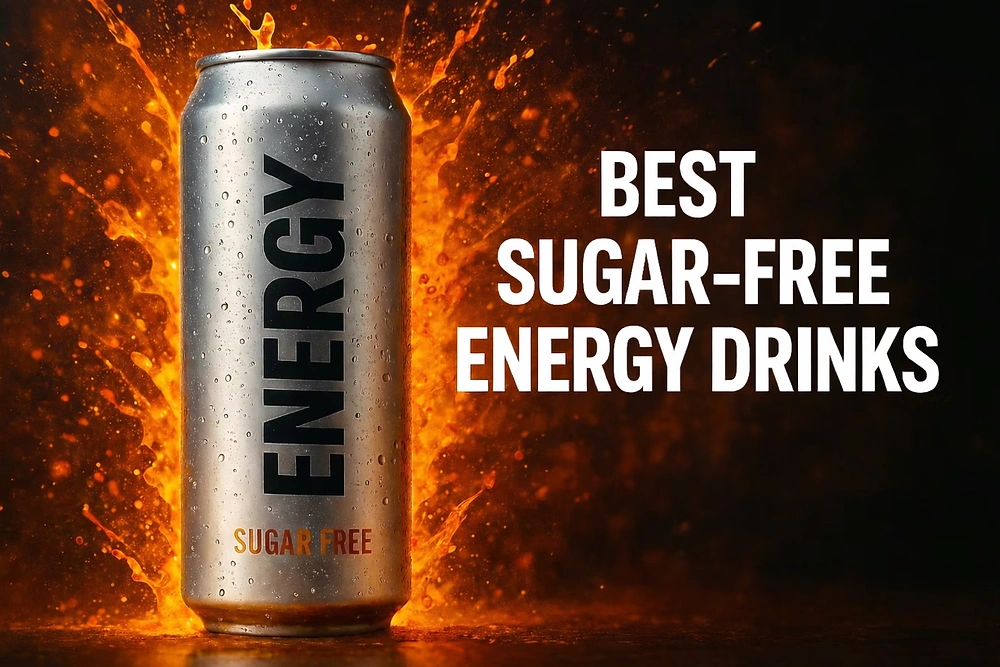
Red Bull Zero — Best Zero Sugar Energy Drink for Adults
Red Bull Zero belongs in a different category from water, soda, and electrolyte drinks because caffeine is central to the product.
The current U.S. product information lists 80 mg of caffeine in an 8.4-ounce can and states that sugars are replaced with low- and non-caloric sweeteners.
Best Zero Sugar Drinks Without Artificial Sweeteners
If your real goal is avoiding both sugar and high-intensity sweeteners, do not search only for another diet soda. Choose drinks that simply are not sweet.
This approach avoids debates over whether a particular sweetener counts as “natural.” The ingredient list becomes much easier to understand.
- Plain water — zero sugar, zero sweetness, and no caffeine.
- Plain sparkling water — fizz without syrup or sweetener.
- LaCroix — flavored sparkling water with no sweetener.
- Waterloo — stronger flavor with no sugar or sweeteners.
- Black coffee — zero sugar before milk, cream, or syrup.
- Cold brew — useful if hot coffee tastes too bitter without sugar.
- Unsweetened black tea — strong enough hot or chilled.
- Unsweetened green tea — lighter than black tea.
- Peppermint tea — naturally bold and normally caffeine-free.
- Rooibos tea — caffeine-free with a smooth, earthy character.
If you dislike sweetener aftertaste, stop trying to recreate sweetness. Use carbonation, bitterness, roast, herbs, spice, and temperature instead.
Which Sweeteners Are Used in Zero Sugar Drinks?
Zero-sugar products can taste very different because manufacturers do not all use the same sweeteners.
FDA information covers several high-intensity sweeteners permitted for use in U.S. foods under specified conditions, including aspartame, sucralose, acesulfame potassium, saccharin, steviol glycosides, and certain monk-fruit-derived ingredients.
Aspartame
Aspartame provides strong sweetness with very little quantity. It appears in many traditional diet and zero-sugar sodas. Coca-Cola’s current U.S. pages list it in Coca-Cola Zero Sugar and Sprite Zero Sugar.
People with phenylketonuria (PKU) need to avoid or restrict phenylalanine, which is why products containing aspartame carry a phenylalanine warning.
Acesulfame Potassium
Acesulfame potassium, often shortened to Ace-K, is frequently blended with another sweetener instead of being used alone.
Sucralose
Sucralose is another high-intensity sweetener used in beverages and other foods. Its taste differs from aspartame and stevia, so a drink you dislike with one sweetener may taste completely different with another.
Stevia
Stevia-derived sweeteners come from steviol glycosides. Zevia’s current Cola and Caffeine Free Cola ingredient lists both identify stevia extract as the sweetener.
No Sweetener
Do not overlook this category. Water, plain sparkling water, unsweetened coffee, and unsweetened tea can provide zero sugar without recreating a sweet taste at all.
Zero Sugar vs. Diet Soda: What Is the Difference?
The difference is often more about branding and formulation than sugar content.
Both diet and zero-sugar sodas commonly provide little or no sugar, but manufacturers may design them to taste different or use different sweetener combinations.
A useful example is Coca-Cola. The current U.S. ingredient information for Diet Coke lists aspartame, while the current Coca-Cola Zero Sugar formula lists aspartame, Ace-K, and stevia extract among its ingredients.
- “Diet” always means one particular sweetener.
- “Zero Sugar” always means another.
- One automatically contains less caffeine.
- One is automatically a better nutritional choice.
Read the current label. Brand names describe the product line, while the Nutrition Facts panel and ingredient list tell you what is actually inside.
Are Zero Sugar Drinks Healthy?
A zero sugar label is one piece of information, not a complete health rating.
A zero-sugar soda can help someone avoid the added sugar found in regular soda. However, it does not suddenly become water, nor does zero sugar tell you about caffeine, acidity, sodium, or overall nutritional value.
CDC identifies sugar-sweetened beverages as a leading source of added sugars in the American diet and notes that water is a straightforward alternative to sugary drinks.
A Practical Way to Think About Them
Water first → unsweetened drinks next → zero-sugar sweetened drinks when you want the taste.
That approach leaves room for soda without making soda the default source of fluids.
What About Artificial Sweeteners?
FDA maintains acceptable intake limits and considers authorized high-intensity sweeteners safe when used under their approved conditions.
That does not mean everyone has to enjoy them. Taste, digestive tolerance, personal preference, and specific medical restrictions can affect individual choices.
Zero Sugar Does Not Mean Tooth-Friendly
Sugar is not the only dental issue in soft drinks. The American Dental Association notes that acidic sugar-free beverages can still contribute to dental erosion, and frequent soft-drink consumption is a risk factor for erosive tooth wear.
If you want a beverage to sip repeatedly for hours, plain water is the safer default.
Caffeine-Free Zero Sugar Drinks
Caffeine changes which beverage is appropriate for the time of day. A zero-sugar label tells you nothing about caffeine. Some colas and energy drinks contain it, while several sparkling waters and citrus sodas do not.
- Plain water
- Plain sparkling water
- Waterloo sparkling water
- Sprite Zero Sugar
- Fresca
- Zevia Caffeine Free Cola
- Coca-Cola Zero Sugar Caffeine Free
- Gatorade Zero
- Peppermint tea
- Rooibos tea
If caffeine affects your sleep, check the label even when the drink does not taste like coffee.
Zero Sugar Energy Drinks and Caffeine
Zero sugar energy drinks are not the same as hydration drinks. Removing sugar does not remove caffeine or other active ingredients.
For example, one 8.4-ounce Red Bull Zero contains 80 mg caffeine.
The FDA cites 400 mg of caffeine per day as an amount not generally associated with negative effects for most adults, while also emphasizing that sensitivity varies significantly between people.
That is a ceiling for general guidance, not a daily target.
Before Choosing a Zero Sugar Energy Drink
- Caffeine per can, not only per serving.
- Whether one container contains multiple servings.
- Other caffeine consumed from coffee, tea, or supplements.
- How late in the day you plan to drink it.
- Whether caffeine causes jitters, poor sleep, or other unwanted effects.
For children and teenagers, the American Academy of Pediatrics says avoiding caffeine is the best choice.
Zero Sugar Electrolyte Drinks: When Do They Make Sense?
Electrolyte beverages serve a more specific purpose than flavored water. Sweat contains water and electrolytes. That makes electrolyte drinks more relevant during long exercise sessions, heavy sweating, or demanding hot-weather activity.
Gatorade Zero offers sodium and potassium electrolytes without sugar and does not contain caffeine.
However, carrying an electrolyte bottle everywhere is not automatically necessary. For ordinary daily hydration, water remains the simpler choice.
Choose an Electrolyte Drink When
- You have been sweating heavily for an extended period.
- You are exercising in hot conditions.
- A coach or qualified health professional has recommended one.
- You want electrolytes while avoiding sugar.
Choose Water When
- You are drinking with an ordinary meal.
- You are working at a desk.
- Your exercise session is short and light.
- You simply feel thirsty during a normal day.
Easy Homemade Zero Sugar Drinks
Homemade drinks are useful because you control the ingredients.
Fruit-infused or cucumber-infused water is better described as “no added sugar” rather than guaranteed zero sugar, because small amounts of naturally occurring compounds can enter the water.
Mint Iced Tea
- Unsweetened black tea
- Fresh mint
- Ice
Brew the tea, add mint while cooling, then refrigerate.
Peppermint Sparkler
- Chilled peppermint tea
- Plain sparkling water
- Ice
Fill a glass halfway with cold peppermint tea. Top slowly with sparkling water.
Cinnamon Cold Brew
- Unsweetened cold brew
- Cinnamon
- Ice
Add a light dusting of cinnamon to cold brew and stir well.
Vanilla Sparkling Water
- Plain sparkling water
- A zero-sugar vanilla flavoring verified on its label
- Ice
Add only enough flavoring to create aroma.
Unsweetened Arnold Palmer-Style Drink
Traditional Arnold Palmers contain lemonade, so they are not automatically sugar-free.
Combine unsweetened black tea with a verified zero-sugar lemon beverage or lemon-flavored unsweetened sparkling water.
Herbal Tea Spritz
- Strong chilled rooibos or herbal tea
- Plain seltzer
- Ice
Use roughly equal amounts of tea and sparkling water.
Best Zero Sugar Drinks by Occasion
For Everyday Hydration
Choose plain water, mineral water, or unsweetened sparkling water. These options keep the ingredient list simple.
For a Soda Craving
Choose Coca-Cola Zero Sugar, Pepsi Zero Sugar, Sprite Zero Sugar, 7UP Zero Sugar, Fresca, or Zevia.
For Someone Who Hates Diet Aftertaste
Start with LaCroix, Waterloo, unsweetened iced tea, cold brew, or herbal tea.
For Evening Drinks
Try caffeine-free sparkling water, Sprite Zero Sugar, Fresca, Zevia Caffeine Free Cola, peppermint tea, or rooibos.
For Workouts
Use water for routine activity. Consider Gatorade Zero when significant sweat replacement becomes relevant.
For Morning Caffeine
Black coffee, cold brew, or unsweetened tea keeps sugar at zero without requiring a sugar substitute.
For Parties
Build a flexible zero-sugar drink station with:
- Unsweetened flavored sparkling water
- Zero-sugar lemon-lime soda
- Caffeine-free options
- Unsweetened iced tea
- Herbal iced tea
- Fresh ice
- Mint and other aromatic garnishes
Guests can then choose between sweet, unsweetened, caffeinated, and caffeine-free drinks.
Coffee or tea stops being zero sugar once you add regular syrup, sweetened creamer, honey, sugar, or sugar-containing milk alternatives.
How to Choose a Zero Sugar Drink at the Store
Do not buy from the front label alone. Turn the bottle or can around and make five quick checks.
Check Total Sugars
Look for 0 g Total Sugars when zero sugar is the priority. Remember that U.S. rounding rules can allow quantities below 0.5 gram to appear as zero.
Check Added Sugars
A drink showing 0 g Added Sugars may still contain naturally occurring sugar. Compare Added Sugars with Total Sugars.
Read the Sweetener List
Look for ingredients such as aspartame, Ace-K, sucralose, stevia, or monk fruit.
If you dislike one sweetener, another formulation may taste better.
Check Caffeine
This matters most with cola, coffee, black and green tea, energy drinks, and some functional beverages.
Check Serving Size
Do not assume the Nutrition Facts number applies to every bottle, fountain cup, or full container.
What do I need this drink to do?
If the answer is “quench normal thirst,” start with water. If you are replacing soda, a sweetened zero-sugar soda may make more sense. If you want something interesting without sweeteners, choose flavored seltzer or unsweetened tea.
What Is New With Zero Sugar Drinks in 2026?
The category continues to move beyond plain diet cola.
Keurig Dr Pepper said in February 2026 that its planned 2026 carbonated soft-drink innovations would be offered in both regular and zero-sugar options. The company also reported stronger dollar growth for zero-sugar varieties within the category data it cited.
Sparkling water is also borrowing more flavor ideas from traditional soda. Waterloo’s current lineup includes Lemon-Lime with a deliberately soda-inspired profile, while summer 2026 brought a limited Root Beer Float sparkling water with no sugar or sweeteners.
At the same time, 7UP began rolling out a more lime-forward formula across its core line in August 2026, including zero-sugar versions.
The direction is clear: zero sugar no longer means one flavor profile. Shoppers increasingly have choices ranging from classic sweet soda to completely unsweetened, soda-inspired sparkling water.
Common Mistakes When Choosing Zero Sugar Drinks
A zero-sugar label makes shopping easier, but it can also create false assumptions.
- Assuming zero sugar means caffeine-free. It does not.
- Assuming no added sugar means zero total sugar. Natural sugar may remain.
- Treating energy drinks like water. Caffeine changes the equation.
- Ignoring serving size. Always check the full container.
- Assuming every sweetener tastes the same. Formulas differ greatly.
- Calling fruit-infused drinks guaranteed zero sugar. “No added sugar” is safer wording.
- Sipping acidic soda continuously all day. Sugar-free soda can still be acidic.
- Choosing a drink only because the package says zero. Consider caffeine, sodium, ingredients, and purpose.
FAQs About Zero Sugar Drinks
What drinks have absolutely no sugar?
Plain water, plain sparkling water, unsweetened coffee, and properly brewed unsweetened tea are the simplest choices.
Packaged beverages labeled zero sugar may legally contain tiny amounts below labeling thresholds, so “0 g” should not be interpreted as a laboratory guarantee of absolute zero.
What can I drink besides water with no sugar?
Try unsweetened seltzer, sparkling water, black coffee, cold brew, black tea, green tea, peppermint tea, rooibos, zero-sugar soda, or zero-sugar electrolyte beverages. Choose unsweetened options when you also want to avoid high-intensity sweeteners.
Is zero sugar better than regular soda?
Zero-sugar soda removes the added sugar found in regular soda, which can reduce added-sugar intake when used as a replacement.
However, zero sugar does not automatically mean nutritious or suitable for unlimited consumption. Caffeine, acidity, and other ingredients still matter.
Is zero sugar the same as diet?
Not necessarily. Diet and zero-sugar sodas can both contain little or no sugar, but manufacturers may use different recipes, flavor targets, and sweetener blends. Check the actual Nutrition Facts and ingredient list.
Which zero sugar drinks have no artificial sweeteners?
Choose plain water, plain seltzer, LaCroix, Waterloo, black coffee, cold brew, and unsweetened tea if you want to avoid added sweeteners entirely.
Zevia is another option for people specifically seeking stevia-sweetened soda rather than aspartame or sucralose.
Can zero sugar soda damage teeth?
It can still contribute to enamel erosion because acidity remains even when sugar is removed. The American Dental Association identifies acidic beverages and frequent soft-drink consumption as concerns for erosive tooth wear.
Can children drink zero sugar energy drinks?
Energy drinks are not a good zero-sugar option for children. The American Academy of Pediatrics says avoiding caffeine is the best choice for children, making water and other age-appropriate beverages better defaults.
Conclusion
The best zero sugar drinks depend on what you are replacing. Water and unsweetened beverages make the strongest everyday foundation, while sparkling water provides fizz without sweetness.
When you want something closer to soda, options such as Coca-Cola Zero Sugar, Pepsi Zero Sugar, Sprite Zero Sugar, Fresca, and Zevia add sweetness without traditional sugar. For workouts, electrolyte drinks have a specific role, while caffeinated energy drinks require extra attention to caffeine.