25 Healthy Drinks Besides Water for Every Day
Flavorful, practical choices for caffeine, protein, hydration, workouts, family meals, and celebrations.
Plain water deserves its place as the main drink for hydration. Still, drinking only water can feel boring when you want flavor, warmth, protein, caffeine, or something festive.
25 Best Healthy Drinks Besides Water
Unsweetened Herbal Tea
Choose an unsweetened or minimally sweetened version, check the serving size, and adjust it to your personal needs.
Unsweetened Green Tea
Choose an unsweetened or minimally sweetened version, check the serving size, and adjust it to your personal needs.
Unsweetened Black Tea
Choose an unsweetened or minimally sweetened version, check the serving size, and adjust it to your personal needs.
Plain Coffee
Choose an unsweetened or minimally sweetened version, check the serving size, and adjust it to your personal needs.
Unflavored Dairy Milk
Choose an unsweetened or minimally sweetened version, check the serving size, and adjust it to your personal needs.
Fortified Unsweetened Soy Milk
Choose an unsweetened or minimally sweetened version, check the serving size, and adjust it to your personal needs.
Plain Kefir
Choose an unsweetened or minimally sweetened version, check the serving size, and adjust it to your personal needs.
Unsweetened Sparkling Water
Choose an unsweetened or minimally sweetened version, check the serving size, and adjust it to your personal needs.
Berry Yogurt Smoothie
Choose an unsweetened or minimally sweetened version, check the serving size, and adjust it to your personal needs.
Banana Peanut Butter Smoothie
Choose an unsweetened or minimally sweetened version, check the serving size, and adjust it to your personal needs.
Mango Spinach Smoothie
Choose an unsweetened or minimally sweetened version, check the serving size, and adjust it to your personal needs.
Peach Oat Smoothie
Choose an unsweetened or minimally sweetened version, check the serving size, and adjust it to your personal needs.
100% Fruit Juice
Choose an unsweetened or minimally sweetened version, check the serving size, and adjust it to your personal needs.
Vegetable Juice
Choose an unsweetened or minimally sweetened version, check the serving size, and adjust it to your personal needs.
Low-Sodium Broth
Choose an unsweetened or minimally sweetened version, check the serving size, and adjust it to your personal needs.
Coconut Water
Choose an unsweetened or minimally sweetened version, check the serving size, and adjust it to your personal needs.
Lower-Sugar Kombucha
Choose an unsweetened or minimally sweetened version, check the serving size, and adjust it to your personal needs.
Electrolyte Drink
Choose an unsweetened or minimally sweetened version, check the serving size, and adjust it to your personal needs.
Americano
Choose an unsweetened or minimally sweetened version, check the serving size, and adjust it to your personal needs.
Café au Lait
Choose an unsweetened or minimally sweetened version, check the serving size, and adjust it to your personal needs.
Rooibos Latte
Choose an unsweetened or minimally sweetened version, check the serving size, and adjust it to your personal needs.
Hibiscus Orange Fizz
Choose an unsweetened or minimally sweetened version, check the serving size, and adjust it to your personal needs.
Cucumber Mint Cooler
Choose an unsweetened or minimally sweetened version, check the serving size, and adjust it to your personal needs.
Pomegranate Rosemary Spritz
Choose an unsweetened or minimally sweetened version, check the serving size, and adjust it to your personal needs.
Pineapple Ginger Sparkler
Choose an unsweetened or minimally sweetened version, check the serving size, and adjust it to your personal needs.
Complete Healthy-Drink Guide
Plain water deserves its place as the main drink for hydration. Still, drinking only water can feel boring, especially when you want flavor, warmth, protein, caffeine, or something festive.
The best healthy drinks besides water include unsweetened tea, plain coffee, milk, fortified soy milk, kefir, balanced smoothies, and certain low-sugar beverages. The right choice depends on your age, activity, allergies, medications, and nutritional needs.
This guide separates dependable daily drinks from situational and occasional choices. It also explains what to check for in juice, plant milk, kombucha, electrolyte drinks, and popular “better-for-you” sodas.
Healthy Drinks Besides Water at a Glance
| Drink | Best use | Added sugar | Caffeine | Main advantage | Watch-out |
|---|---|---|---|---|---|
| Herbal tea | Evening or all day | None if plain | Usually none | Flavor without sugar | Some herbs interact with medicines |
| Green tea | Morning or afternoon | None if plain | Yes | Light flavor and plant compounds | May affect sleep |
| Black tea | Morning | None if plain | Yes | Bold, versatile flavor | Bottled versions may be sweetened |
| Plain coffee | Morning | None | Yes | Strong flavor with few calories | Syrups and creamers add sugar |
| Dairy milk | Meals or snacks | Usually none | None | Protein, calcium, vitamin D | Dairy allergy or lactose intolerance |
| Fortified soy milk | Meals or smoothies | None if unsweetened | None | Plant protein and fortification | Soy allergy |
| Plain kefir | Snack or smoothie | Varies | None | Protein and live cultures | Added sugar and dairy |
| Balanced smoothie | Breakfast or snack | Optional | Usually none | Fiber, produce, and protein | Large portions become meal-sized |
| Vegetable juice | With meals | Usually none | None | Savory flavor and nutrients | Sodium can be high |
| Coconut water | Heat or light exercise | Usually none | None | Potassium and mild sweetness | Often low in sodium |
| Kombucha | Occasional fizzy drink | Varies | Often some | Tart flavor and fermentation | Sugar, caffeine, trace alcohol |
| 100% fruit juice | Small meal-time serving | None | None | Fruit nutrients | Concentrated natural sugar |
| Electrolyte drink | Long, sweaty exercise | Varies | Usually none | Replaces sodium and carbohydrates | Often unnecessary for short activity |
| Diet soda | Transition from soda | None | Sometimes | No added sugar | Acidic and not nutrient-rich |
| Prebiotic soda | Occasional alternative | Varies | Usually none | Less sugar in some products | Claims and digestive effects |
This comparison provides a practical starting point. It is not a medical ranking because personal nutritional needs can differ.
Values vary by recipe, serving size, and brand. Always check the current Nutrition Facts panel when buying packaged drinks.
What Makes a Drink a Healthy Choice?
A “healthy” label does not tell you whether a beverage suits your needs. The full ingredient list and Nutrition Facts panel provide better information.
Start with the drink’s purpose. A morning coffee, post-workout milk, evening tea, and illness-related rehydration drink serve different roles.
Check Added Sugar
The CDC identifies sweetened sodas, fruit drinks, sports drinks, energy drinks, and sweetened coffee or tea as common sources of added sugar. A 12-ounce regular soda can contain about 10 teaspoons of added sugar. CDC
On the label, compare:
- Added Sugars, not only Total Sugars
- The listed serving size
- Servings per bottle
- Sugar, syrup, honey, and juice concentrate in the ingredients
- Unsweetened and original versions of the same drink
Natural sugar in plain milk or whole fruit is different from sugar added during processing. However, natural sugar still counts toward the drink’s total carbohydrates.
Consider Nutritional Value
A drink does not need vitamins or protein to be acceptable. However, nutrient-rich beverages can earn a useful place in meals or snacks.
Look for:
- Protein in milk, soy milk, kefir, or balanced smoothies
- Calcium and vitamin D in dairy or fortified plant drinks
- Fiber in smoothies made with whole produce
- Potassium and sodium when replacing significant sweat losses
- A short ingredient list when you prefer minimally processed drinks
Watch Caffeine
Coffee, green tea, black tea, matcha, kombucha, and some sodas contain caffeine. Amounts vary by product, serving size, and brewing method.
The FDA says 400 milligrams per day is not generally associated with negative effects for most adults. Individual sensitivity varies, and lower limits may apply during pregnancy or with certain conditions. FDA
Best Everyday Drinks Besides Water
Everyday choices should be easy to find, low in added sugar, and suitable for regular use. They should also fit your meals and personal needs.
These eight drinks provide the strongest starting point. That does not mean every option suits every reader.
Unsweetened Herbal Tea
Herbal tea offers flavor without added sugar or regular tea leaves. Peppermint, ginger, rooibos, and chamomile are common caffeine-free choices.
Serve herbal tea hot, chilled, or poured over ice. Check the ingredients because some herbal blends can interact with medicines or affect pregnancy.
Unsweetened Green Tea
Green tea has a grassy, lightly bitter flavor. It works hot or cold with lemon, mint, peach slices, or fresh ginger.
It contains caffeine, although usually less than brewed coffee. Avoid adding enough honey or syrup to turn it into a sugary drink.
Unsweetened Black Tea
Black tea provides a stronger flavor than green tea. It pairs well with lemon, cinnamon, milk, orange peel, or fresh mint.
Sweet tea can contain substantial added sugar. Brew it at home and reduce sweetness gradually if you are accustomed to bottled tea.
Plain Coffee
Plain coffee contributes fluid and contains almost no calories before extras are added. The problem is often the flavored syrup, sweetened creamer, whipped topping, or oversized serving.
Try cinnamon, vanilla extract, or plain milk instead. Choose decaf or half-caf when caffeine affects your sleep, heart rate, or anxiety.
Unflavored Dairy Milk
Plain milk provides protein, calcium, and other nutrients. Fortified dairy milk also supplies vitamin D.
Choose the fat level that fits your overall eating pattern and medical guidance. Lactose-free milk offers similar nutrition for people who have difficulty digesting lactose.
Fortified Unsweetened Soy Milk
Fortified soy milk is one of the closest plant-based alternatives to dairy milk in protein. It works in coffee, cereal, smoothies, and savory cooking.
Look for unsweetened soy milk with calcium and vitamin D. Shake the carton before pouring because fortified nutrients may settle.
Plain Kefir
Kefir is a tart fermented milk drink with protein and live cultures. It can be consumed plain or blended with berries and cinnamon.
Flavored kefir may contain significant added sugar. People with dairy allergies need a suitable dairy-free alternative rather than lactose-free dairy kefir.
Unsweetened Sparkling Water
Sparkling water is technically carbonated water, but it belongs in this comparison because many readers use it to replace soda.
Choose products without added sugar when possible. Since carbonated and citrus-flavored drinks can be acidic, avoid sipping them continuously all day.
Healthy Tea Drinks for More Flavor
Tea offers more variety than one mug of plain green or black tea. The brewing method and add-ins determine whether it remains a low-sugar drink.
Make tea in batches and refrigerate it promptly. Most homemade iced tea tastes best within three or four days.
- Hibiscus-orange tea: Tart, colorful, caffeine-free, and pleasant over ice.
- Ginger-lemon tea: Spicy and bright without needing a sugary syrup.
- Peach green tea: Steep with fresh peach instead of bottled peach flavoring.
- Mint black tea: Bold enough for breakfast or an afternoon drink.
- Rooibos latte: Add warm unsweetened milk to caffeine-free rooibos.
- Jasmine iced tea: Fragrant and light, with moderate caffeine.
- Cinnamon chai-style tea: Use spices and milk without a sweet concentrate.
- Sparkling herbal tea: Combine strong chilled tea with plain seltzer.
Coffee Drinks With Less Added Sugar
Coffee can fit a balanced diet, but café drinks vary widely. A plain coffee and a syrup-heavy blended drink are not nutritionally similar.
Order the smallest size that satisfies you. Ask for fewer syrup pumps or choose an unsweetened version when available.
- Americano: Espresso and hot water with no required sweetener.
- Café au lait: Coffee mixed with warm plain milk.
- Unsweetened iced coffee: Serve over ice with cinnamon and milk.
- Decaf latte: A lower-caffeine option made with plain milk.
- Half-caf coffee: Equal parts regular and decaffeinated coffee.
- Cold brew: Smooth tasting, but sometimes higher in caffeine.
- Vanilla coffee: Use a small amount of extract instead of syrup.
- Cinnamon coffee: Add cinnamon to the grounds before brewing.
Dairy-Free Milk: Which Type Is Best?
| Plant drink | Typical strength | Common limitation |
|---|---|---|
| Soy milk | Higher protein and broad usefulness | Soy allergy |
| Pea milk | Often protein-rich and creamy | Flavor and availability |
| Oat milk | Smooth texture for coffee | Often higher in carbohydrates |
| Almond milk | Light texture and mild flavor | Usually low in protein |
| Cashew milk | Creamy consistency | Tree-nut allergy |
| Coconut beverage | Tropical flavor | Usually low in protein |
| Rice milk | Useful for some allergies | Often low in protein and higher in carbohydrates |
Plant drinks differ sharply in protein, carbohydrates, fat, and fortification. Treating every plant milk as nutritionally equal is a mistake.
Compare unsweetened versions first. If the drink replaces dairy milk regularly, check calcium, vitamin D, protein, and vitamin B12.
“Original” does not always mean unsweetened. Check the Added Sugars line instead of relying on front-label wording.
Balanced Smoothies for Breakfast or Snacks
A smoothie can offer whole fruit, vegetables, protein, and fiber. It can also become a very large liquid meal when overloaded with juice, sweeteners, and rich add-ins.
A useful formula is produce + protein + liquid + optional healthy fat. Avoid adding juice, honey, sweetened yogurt, and syrup to the same blend.
Berry Yogurt Smoothie
- Ingredients: Frozen berries, plain yogurt, milk, and cinnamon
- Taste: Tart, creamy, and mildly sweet
- Best for: Breakfast or a filling snack
- Variation: Use fortified soy milk and soy yogurt for dairy-free needs
Banana Peanut Butter Smoothie
- Ingredients: Banana, plain milk, peanut butter, and ice
- Taste: Creamy and naturally sweet
- Best for: After exercise or when you need a substantial snack
- Allergy note: Replace peanut butter with a suitable seed butter
Mango Spinach Smoothie
- Ingredients: Frozen mango, spinach, plain yogurt, and water
- Taste: Fruity with a mild green flavor
- Best for: Readers new to vegetable smoothies
- Serving tip: Use more spinach as your taste adjusts
Peach Oat Smoothie
- Ingredients: Frozen peach, oats, milk, and vanilla
- Taste: Soft, creamy, and lightly sweet
- Best for: A quick morning drink
- Storage: Refrigerate promptly and use within one day
Fruit Juice: Healthy or Too Sugary?
One-hundred-percent fruit juice contains useful nutrients, but it lacks much of the fiber found in whole fruit. It is also easy to consume quickly.
Choose 100% juice, not a “juice drink,” “juice beverage,” or “juice cocktail.” These terms may describe products with added sweeteners and less actual juice.
Better ways to serve juice include:
- Pouring a small glass with a meal
- Mixing juice with plain sparkling water
- Choosing juice with pulp when available
- Using juice as flavor rather than the full drink
- Eating whole fruit more often
- Avoiding continuous sipping between meals
Important Grapefruit Warning
Grapefruit and grapefruit juice can change how certain medicines work. Interactions include some cholesterol, blood-pressure, transplant, anxiety, and allergy medicines.
Check your medication label or ask a pharmacist before drinking grapefruit juice regularly. FDA
Vegetable Juice and Savory Drinks
Vegetable drinks suit people who prefer tart, earthy, or savory flavors. They also provide an alternative to fruit-heavy beverages.
The main concern is often sodium, especially in canned tomato juice, vegetable blends, and broth. Choose lower-sodium products when needed.
- Tomato juice: Serve chilled with lemon, black pepper, and celery.
- Carrot-cucumber juice: Mildly sweet with a clean vegetable finish.
- Cucumber-lime blend: Light, crisp, and lower in sweetness.
- Beet-berry juice: Earthy beet balanced with a small berry portion.
- Green vegetable blend: Use cucumber, spinach, celery, and lemon.
- Gazpacho-style drink: Blend tomato, cucumber, pepper, and herbs.
- Low-sodium broth: A warm, savory drink for cooler days.
- Tomato-herb spritzer: Mix tomato juice with seltzer and basil.
Fresh vegetable juice should be refrigerated promptly. Wash produce and clean the juicer or blender immediately after use.
Kombucha and Other Fermented Drinks
Kombucha is fermented sweetened tea with a tart, fizzy flavor. Sugar, caffeine, acidity, and trace alcohol can vary among products.
Kefir is generally more substantial because it may provide protein and calcium. Kombucha is closer to an occasional fizzy beverage than a meal component.
When choosing kombucha:
- Compare added sugar per serving
- Check the actual bottle size
- Look for caffeine information
- Confirm whether the product contains alcohol
- Keep it refrigerated when required
- Avoid assuming “probiotic” means unlimited use
- Use extra caution with home fermentation
Pregnant people, children, and those with weakened immune systems should seek personalized guidance before consuming kombucha. Home-brewed products carry additional contamination and alcohol-control concerns.
Coconut Water and Electrolyte Drinks
Coconut water provides potassium and smaller amounts of other electrolytes. It can be pleasant during hot weather or after light activity.
However, coconut water is often low in sodium. It may not replace what heavy sweaters lose during long, intense exercise.
When Are Electrolyte Drinks Useful?
An electrolyte drink may make sense during:
- Prolonged exercise
- Heavy sweating
- Very hot conditions
- Repeated intense activity
- Situations specifically addressed by a clinician
Plain water and normal meals are often enough for short or light workouts. Sports drinks can add sugar and sodium that sedentary readers do not need.
People with kidney disease, heart conditions, or potassium restrictions should not assume coconut water is automatically suitable.
Best Drinks Before and After Exercise
Workout drinks should match the activity. A 30-minute walk does not require the same plan as a long summer run.
Begin activity hydrated and avoid testing unfamiliar products during an important event. Stomach comfort also matters.
Before Exercise
- Water with a regular meal
- Unsweetened tea for caffeine-tolerant adults
- A small fruit-and-yogurt smoothie before longer sessions
- Coffee in moderation when already tolerated
During Exercise
- Water for most short sessions
- An appropriate electrolyte drink for prolonged heavy sweating
- Small, regular sips in hot conditions
- A professionally formulated sports drink during endurance activity
After Exercise
- Plain milk for fluid, protein, and carbohydrates
- Fortified soy milk for a plant-based alternative
- A balanced smoothie after demanding activity
- Regular meals and fluids after light exercise
- Sodium-containing fluids when substantial sweat was lost
Confusion, fainting, severe weakness, repeated vomiting, or worsening dizziness requires prompt medical attention.
Healthy Drinks for Kids
Children do not need adult functional drinks, energy beverages, or wellness tonics. Their safest everyday choices are intentionally simple.
The American Academy of Pediatrics recommends plain water and plain milk as the main drinks for young children. HealthyChildren.org
Other family-friendly options include:
- Plain dairy milk appropriate for the child’s age
- Fortified unsweetened soy milk when suitable
- Fruit blended with plain milk or yogurt
- Caffeine-free unsweetened fruit tea
- Small age-appropriate servings of 100% juice
- Homemade watermelon slush without syrup
- Fruit-flavored water for children who resist plain water
The AAP advises no juice before age one. Suggested maximums are 4 ounces daily for ages 1–3, 4–6 ounces for ages 4–6, and 8 ounces for ages 7–18. HealthyChildren.org
Children should not receive energy drinks. Parents should also check bottled teas, coffee-style drinks, and drink enhancers for caffeine.
Diet Soda, Prebiotic Soda, and Functional Drinks
A zero-sugar soda can help some people reduce regular soda intake. It is not automatically a nutrient-rich daily beverage.
The CDC notes that low- and no-calorie sweeteners may reduce calorie intake in the short term. Questions remain about their long-term role in weight management. CDC
Diet Soda
Diet soda contains little or no sugar, but it remains acidic. It may work as a transition drink rather than the main beverage throughout the day.
Prebiotic Soda
Some prebiotic sodas contain less sugar than regular soda. Others contain sweeteners, acids, caffeine, or fibers that may cause gas and bloating.
Vitamin and Functional Drinks
Added vitamins do not automatically make a sugary beverage a strong choice. Check sugar, caffeine, sodium, serving size, and actual nutrient amounts.
Adaptogen and Botanical Drinks
Botanical ingredients can interact with medicines or be unsuitable during pregnancy. “Natural” does not guarantee safety for every person.
Drinks That Look Healthy but Need a Closer Look
Front-label terms can make ordinary sweetened drinks appear more nutritious. The ingredient list often tells a different story.
These drinks are not forbidden, but they should not receive a health halo without examination.
- Bottled smoothies: May contain large portions and concentrated juice.
- Sweetened plant milk: Can contain substantial added sugar.
- Flavored kefir: Live cultures do not cancel added sweeteners.
- Bottled green tea: Some versions resemble soft drinks nutritionally.
- Vitamin water: Added vitamins may accompany sugar or sweeteners.
- Tonic water: Regular tonic water often contains added sugar.
- Fruit drinks: They may contain little fruit juice.
- Coffeehouse refreshers: Caffeine and sugar can be easy to overlook.
- Energy drinks: Often combine high caffeine with sweeteners.
- Juice cleanses: They do not provide a complete, balanced diet.
Healthy Hot Drinks for Cooler Weather
Warm drinks can provide comfort without heavy syrups or whipped toppings. Cinnamon, ginger, citrus peel, cocoa, and vanilla create flavor with little sugar.
Choose decaffeinated drinks later in the day if caffeine affects sleep. Let children’s drinks cool before serving.
- Ginger tea: Spicy, caffeine-free, and easy to prepare.
- Peppermint tea: Bright flavor without sweetener.
- Warm spiced milk: Heat plain milk with cinnamon and vanilla.
- Rooibos latte: Combine rooibos tea with warm unsweetened milk.
- Light hot cocoa: Use plain milk and unsweetened cocoa.
- Decaf café au lait: Mix decaf coffee with warm milk.
- Low-sodium broth: Add herbs, ginger, or black pepper.
- Warm diluted apple juice: Use a modest juice portion with cinnamon.
Low-Sugar Party Drinks and Mocktails
A party drink can look special without alcohol or a cup of syrup. Use strong tea, herbs, colorful fruit, chilled glasses, and plenty of ice.
Prepare the base early, but add sparkling ingredients before serving. Label drinks containing caffeine or common allergens.
Hibiscus Orange Fizz
- Brew strong hibiscus tea and chill it.
- Add orange slices and plain seltzer.
- Serve over ice with a mint sprig.
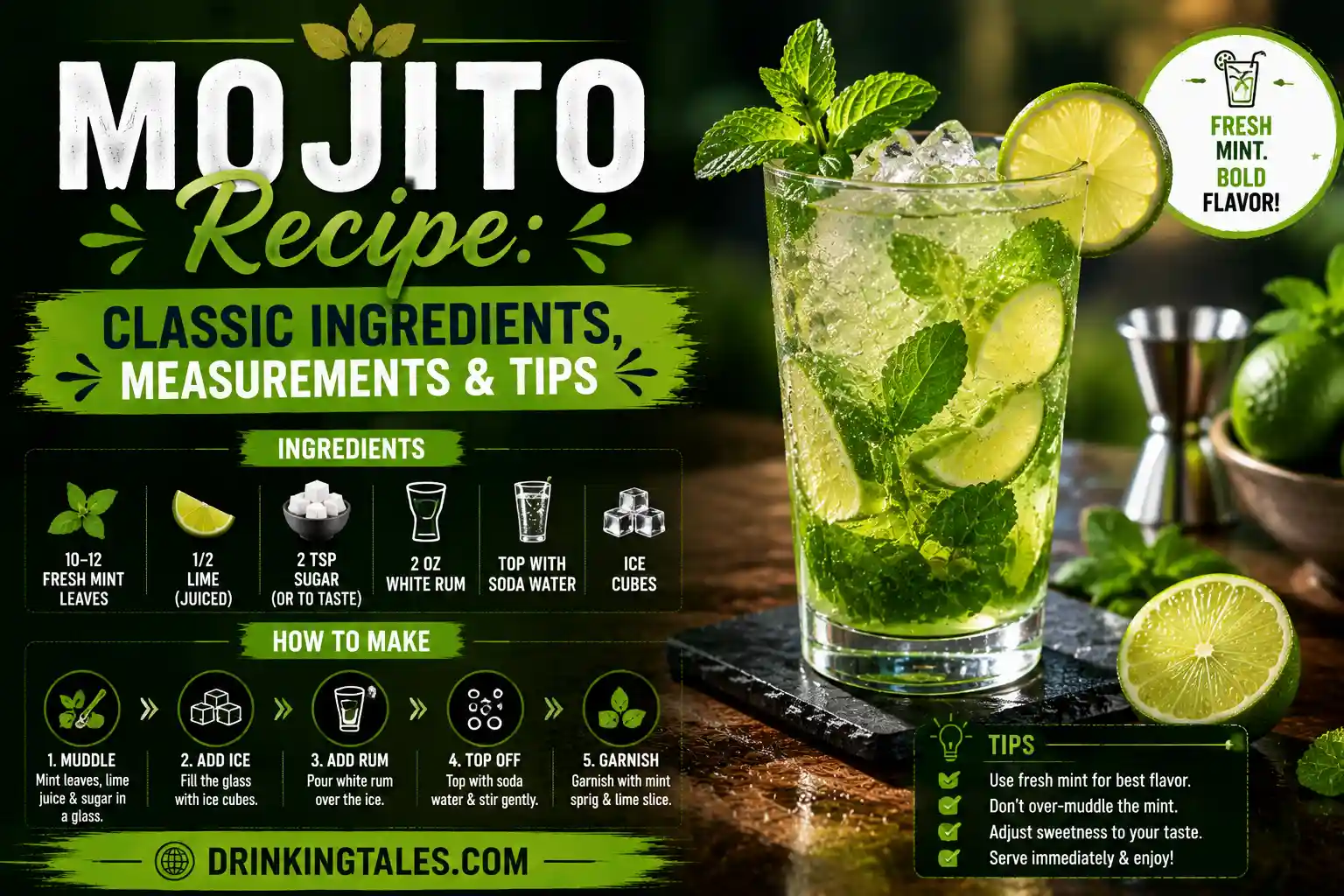
Cucumber Mint Cooler
- Muddle cucumber and mint gently.
- Add lime juice, ice, and seltzer.
- Garnish with a cucumber ribbon.
Pomegranate Rosemary Spritz
- Pour a small amount of 100% pomegranate juice over ice.
- Add plain sparkling water.
- Finish with rosemary and lime.
Pineapple Ginger Sparkler
- Combine a small pineapple juice portion with fresh ginger.
- Add chilled seltzer and ice.
- Garnish with mint instead of sugary syrup.
How to Protect Your Teeth When Drinking Acidic Beverages
Sugar is not the only dental concern. Carbonated drinks, citrus juice, kombucha, coffee, and tea may be acidic or stain teeth.
You do not need to eliminate every acidic drink. How often and how long you expose your teeth matters.
- Drink acidic beverages with meals when practical.
- Avoid swishing them around your mouth.
- Do not sip acidic drinks continuously for hours.
- Rinse your mouth with plain water afterward.
- Avoid brushing immediately after a highly acidic drink.
- Use a straw when appropriate to reduce tooth contact.
- Discuss sensitivity or enamel problems with a dental professional.
Who Needs Personalized Drink Advice?
General lists cannot account for every health condition. A beverage that suits one reader may create problems for another.
Speak with a clinician, registered dietitian, or pharmacist if you have:
- Kidney disease or potassium restrictions
- Heart failure or fluid restrictions
- Diabetes or difficulty managing blood sugar
- Food allergies
- Pregnancy-related caffeine questions
- Persistent digestive symptoms
- A history of disordered eating
- Medicines that interact with grapefruit or herbs
- Recurrent dehydration
- A child with feeding or growth concerns
Frequently Asked Questions
What Is the Healthiest Drink Besides Water?
Unsweetened tea is one of the simplest choices because it provides flavor without added sugar. Plain coffee, dairy milk, and fortified unsweetened soy milk are also strong options.
What Can I Drink If I Hate Plain Water?
Try unsweetened iced tea, herbal tea, milk, sparkling water, or a small juice spritzer. Use fruit, mint, ginger, or citrus peel to make drinks more appealing without heavy syrup.
Is Tea Healthier Than Coffee?
Neither is universally healthier. Unsweetened tea and plain coffee can both fit a balanced diet.
Are Smoothies Better Than Juice?
A smoothie made with whole produce usually retains more fiber than strained juice. It can also include protein from yogurt, milk, soy milk, or tofu.
Can Coffee and Tea Count Toward Hydration?
Yes, coffee and tea contribute to fluid intake. Caffeine does not erase all the fluid in the drink.
Is Coconut Water Better Than a Sports Drink?
Coconut water provides potassium but often less sodium than a sports drink. It may suit light activity but not prolonged heavy sweating.
Is Kombucha Healthy to Drink Every Day?
A lower-sugar commercial kombucha can fit some diets, but it is not essential. Products vary in sugar, caffeine, acidity, and alcohol.
Are Zero-Sugar Sodas Healthy?
They usually contain less sugar and fewer calories than regular soda. However, they are acidic and provide little nutritional value.
What Are the Best Drinks for Children?
Water and age-appropriate plain milk are the main choices recommended by pediatric experts. Small servings of 100% juice can fit after age one.
What Should I Drink During Vomiting or Diarrhea?
A properly formulated oral rehydration solution is safer than guessing amounts of salt and sugar at home. This is especially important for babies, children, older adults, and people with medical conditions.
Conclusion
The best healthy drinks besides water are not flashy wellness products. Unsweetened tea, plain coffee, milk, fortified soy milk, kefir, and balanced smoothies cover most everyday needs.
Use juice, kombucha, coconut water, diet soda, and electrolyte drinks according to their purpose. Compare labels, control portions, and consider caffeine, sugar, sodium, allergies, and medications before making a drink part of your routine.