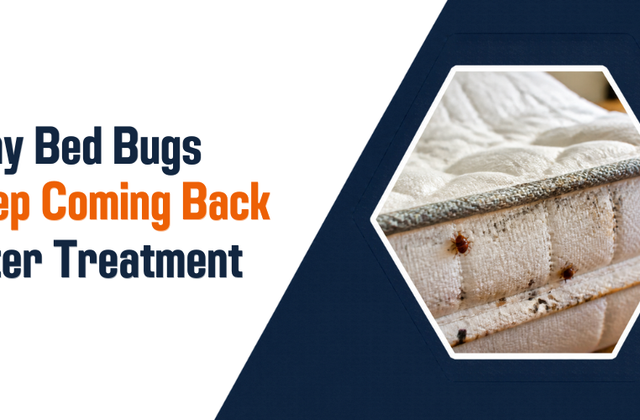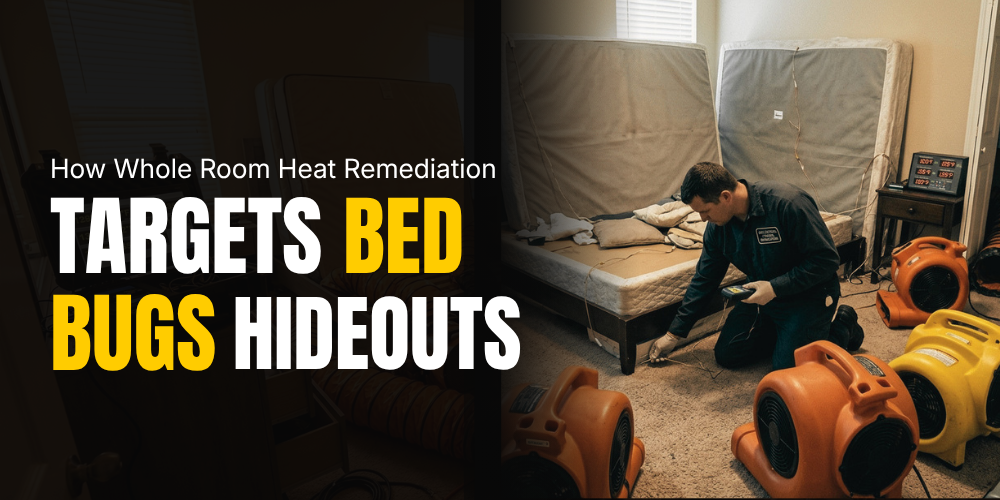
An apartment can feel hot while bed bugs remain sheltered in cooler furniture or tightly packed belongings. That difference matters when several households share a building and management needs a coordinated response. Whole room heat remediation requires careful planning, temperature monitoring, and resident cooperation.
Simply warming the air does not establish that every concealed location has received enough heat. Here’s how professionals assess connected units, address slower-heating hideouts, and organize treatment without overlooking residents’ practical needs.
Planning Whole Room Heat Remediation Around Unit Conditions
Before recommending whole room heat remediation, technicians inspect the reported apartment and record where they find insects or other evidence. They assess room dimensions, furniture arrangements, equipment access, and belongings that could complicate heating.
In multi-tenant buildings, findings may justify inspecting apartments beside, above, or below the original report. However, inspection does not automatically mean every neighboring unit requires treatment. Each household needs an assessment that reflects its conditions.
A planning checklist includes:
- Confirmed activity and its location.
- Room layout and accessible furniture crevices.
- Dense storage or heavily packed contents.
- Entry arrangements and equipment routes.
- Additional units that warrant evaluation.
Management should share relevant reports and recent furniture movements with the provider. Those details help technicians establish treatment boundaries for whole room heat remediation. Ask which areas the proposal covers and how the team will respond if inspections reveal activity beyond that scope.
Understanding Why Some Hideouts Heat More Slowly
Heat moves through materials at different rates. Dense belongings and thick furniture components can slow its progress, allowing concealed spaces to remain cooler than the surrounding air. Consequently, a reading near a heater cannot represent conditions throughout an apartment.
Clutter can also obstruct circulation. Closely packed items, crowded corners, and furniture arrangements may limit the movement of heated air. Technicians need to account for those obstacles when planning whole-room heat remediation.
Common assessment points include:
- Packed drawers and storage containers.
- Thick upholstery and insulated contents.
- Furniture positioned near obstructions.
- Concealed areas that require targeted monitoring.
Residents should not empty everything into another apartment to solve an airflow problem. Instead, they should follow the provider’s instructions about arranging contents and handling items that cannot tolerate heat.
Effective treatment depends on both temperature and exposure time at relevant locations. Professionals must consider how slowly those locations warm, rather than assuming that hot room air means hidden insects have received a lethal exposure.
Monitoring Whole Room Heat Remediation Where It Matters
During whole room heat remediation, technicians place sensors according to their treatment protocol and the apartment’s conditions. Monitoring representative hideouts and slower-heating areas helps them evaluate progress beyond the heater’s immediate surroundings.
Sensor placement should reflect inspection findings, furniture construction, and potential temperature differences. Ask the provider how they select monitoring locations and track the required exposure period.
Readings can guide adjustments. For example, technicians may reposition air movers, change equipment placement, or address an obstruction when a monitored area warms too slowly. They should follow their established procedures when making those changes.
Whole room heat remediation also requires judgment about what the measurements represent. A sensor reports conditions at its location; it does not certify every inaccessible space in the building. Owners should ask how the provider accounts for treatment limits and documents completion of treatment.
Request clear reentry instructions, too. Residents should wait for the provider’s authorization before returning, even if the scheduled appointment time has ended.
Helping Residents Prepare and Monitor Connected Units
Clear preparation instructions help households support whole room heat remediation without improvising. Management should distribute directions early and identify residents who need language support, physical assistance, or clarification about sensitive belongings.
Assign one contact to:
- Confirm access and preparation readiness.
- Coordinate residents’ absence during treatment.
- Relay questions to technicians.
- Share authorized reentry instructions.
Prevent unplanned transfers of suspect belongings into neighboring apartments or common areas. If someone cannot prepare on time, notify the provider before the crew arrives.
Afterward, follow the recommendations for inspections and monitoring. Record new evidence by unit, date, and location. Heat provides no residual protection against subsequent introductions, so residents should continue to report concerns rather than assume the appointment guarantees permanent protection.
Leave Bed Bugs Out in the Heat
Ask how technicians monitor difficult hideouts before approving whole room heat remediation. A useful plan connects inspection findings, resident preparation, treatment boundaries, and follow-up responsibilities. Keep reporting channels clear so the provider can investigate new evidence and adjust recommendations when necessary.
For rental properties in Bartlesville, learn about the help available through HeatTech. Arrange a professional assessment and discuss coordinated treatment planning that addresses the building’s confirmed needs while accounting for each household’s access and preparation requirements.
Read more: How Low-Code Platforms Are Changing Business Software Development