If you’re touring homes, it’s easy to focus on kitchens, flooring, and roof age while missing one of the most expensive outdoor systems on the property. Sprinklers, drainage, and irrigation controls can quietly shape your monthly costs, curb appeal, and future repair list. In Florida, where heat, rain, and watering rules all matter, a neglected yard system can signal larger maintenance habits. Knowing what to check gives you a sharper edge before you make an offer.
Florida Buyers Need to Pay Attention to Water Use and Local Conditions
In places like New Port Richey, landscaping takes a beating from heat, sandy soil, humidity, and seasonal downpours. A sprinkler setup that works poorly in this climate can run up water bills fast and still leave plants stressed. You’re not just buying a lawn. You’re buying the infrastructure that keeps the exterior alive.
Check whether the system has a functioning rain sensor, intact drip lines for planting beds, and zoning that matches sun exposure. Turf areas and foundation shrubs shouldn’t always share the same watering schedule. If they do, one area usually suffers.
For buyers comparing homes in Pasco County, local service access matters too. If a property clearly needs work, a reliable sprinkler repair service in New Port Richey can be part of the decision-making process, especially when you’re estimating immediate post-closing repairs.
Irrigation Issues Can Reveal How the Whole Property Was Maintained
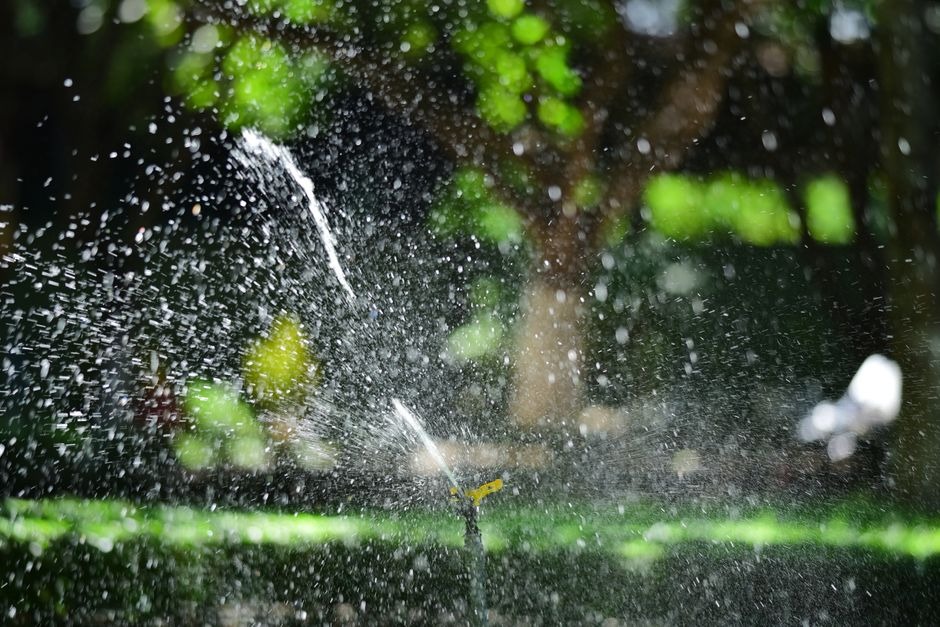
A yard can look green during a showing and still hide major irrigation problems. Overwatered patches, dry corners, muddy strips near walkways, and sprinkler heads spraying the driveway all point to poor system calibration. Those details matter because outdoor maintenance often mirrors the owner’s overall approach to the house.
If someone ignored obvious leaks or broken heads, you should wonder what happened with less visible systems like plumbing, HVAC servicing, or drainage grading. Watch for rusted valves, cracked controller boxes, and uneven turf growth. Those signs often suggest deferred maintenance rather than a one-time issue.
During a walk-through, ask when the system was last inspected and whether any zones have been shut off. A home with mature landscaping usually depends on reliable irrigation to protect that investment.
Poor Drainage and Overspray Can Affect More Than the Lawn
Irrigation problems don’t stay neatly in the grass. Overspray can stain fences, feed mildew on exterior walls, and keep walkways slippery. Pooling water near the slab or around hardscaping can also point to grading issues that deserve a closer look.
When a sprinkler zone constantly hits the house, windows, or garage door, moisture exposure builds up over time. In humid climates, that creates a better environment for algae, rot in trim, and premature paint wear. Buyers often budget for cosmetic touch-ups without realizing the moisture source is still active.
Look at the edges of the home during a showing. If you see soggy mulch beds, erosion channels, or green growth on concrete, the irrigation layout may be working against the property. A landscape system should support the house, not slowly damage it.
A Controller Box Tells You More Than You’d Expect
One of the most useful things you can inspect is the irrigation controller. It’s usually mounted in the garage, on an exterior wall, or near utility equipment. If it’s outdated, confusing, or clearly abandoned, expect troubleshooting ahead.
A healthy setup usually has labeled zones, readable programming, and a backup power source or stable settings. Smart controllers are a plus, though only if they’re actually configured well. Many owners install upgraded hardware and then leave factory settings untouched, which defeats the point.
Ask the seller whether the controller runs on a seasonal schedule and if any recent adjustments were made. If nobody in the home can explain which zone covers what, that’s useful information. It often means the system has been operating on autopilot without real oversight.
Landscaping Quality Can Distort a Buyer’s First Impression
Fresh mulch and trimmed hedges can make a listing feel move-in ready, even when the irrigation system underneath is failing. That’s where buyers get caught. Cosmetic curb appeal is cheap compared with replacing valves, rewiring zones, or chasing underground leaks.
A property with lush landscaping may actually carry higher hidden risk than a simpler yard if the irrigation design is outdated. Tree roots can crush lines. Flower beds added over time may have changed water demand. Older systems might lack pressure regulation, causing misting and runoff instead of useful coverage.
Try visiting a property more than once if you’re serious. A late afternoon tour after the sprinklers have run can reveal soft soil, standing water, or dry spots that a midday showing hides. Real estate decisions get better when you look past staging and into system performance.
Inspection Reports Often Miss the Full Irrigation Picture
Many home inspections mention sprinklers only briefly unless there’s visible failure at the time of the visit. Inspectors usually have limited time, and irrigation diagnostics can require running each zone, checking pressure, examining heads, and confirming valve response. That level of detail often falls outside a standard report.
If the home has a large yard, custom landscaping, or signs of drainage stress, consider a specialized irrigation evaluation before closing. This is especially practical for homes where the exterior is a selling point. Replacing sod is one thing. Correcting a damaged manifold or locating buried leaks is a different budget category.
You should also ask for recent utility bills when possible. A spike in water usage during dry months can reveal more than a seller disclosure form. Numbers often expose waste long before you spot the broken component.
Smart Buyers Treat Outdoor Systems as Part of the Property Value
When you’re pricing a home in your head, it helps to treat irrigation like any other operational system. It affects maintenance costs, appearance, usability, and resale. A well-managed yard system protects landscaping and helps the property present better over time. A bad one chips away at value in the background.
That mindset can sharpen your negotiations. If you identify damaged heads, uneven coverage, missing sensors, or active leaks, those details belong in your repair discussions just as much as a faulty appliance would. Sellers may not expect buyers to notice, which gives prepared buyers an advantage.
You don’t need to become an irrigation technician to make better decisions. You just need to notice patterns, ask direct questions, and understand that exterior systems influence ownership costs from day one. For anyone buying in a warm-weather market, that awareness can save real money and real frustration.
Read more : Healthy Drinks Besides Water: Best Everyday Choices