Weeknight cooking often becomes stressful before you even turn on the stove. After work, errands, and household responsibilities, deciding what to prepare can feel harder than cooking itself. You want something satisfying, but complicated recipes, long ingredient lists, and endless cleanup make takeout tempting.
Making dinner easier doesn’t mean relying on bland meals or preparing everything from scratch every evening. It means organizing your kitchen, choosing flexible recipes, and using cooking methods that reduce unnecessary effort. With a few practical adjustments, you can prepare enjoyable meals while keeping more of your evening free.
Let Your Appliances Handle the Time-Consuming Work
Some ingredients need extended cooking to become tender and flavorful, but that doesn’t mean you must stand beside the stove for hours.
Pressure cookers, slow cookers, and countertop ovens can simplify meals that traditionally require constant attention. The key is choosing equipment that suits the dish rather than using appliances simply because they’re convenient.
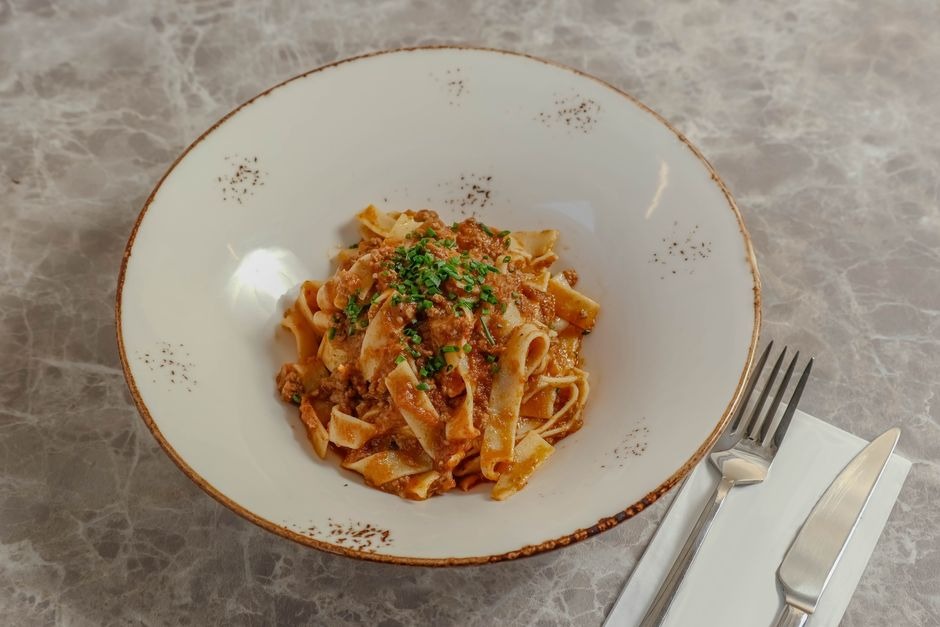
For example, you can make beef short rib ragu in an Instant Pot when you want a rich, slow-cooked-style pasta sauce without spending an entire afternoon simmering meat. Browning the beef, cooking aromatics, and pressure-cooking the ingredients produces a hearty sauce that can be served with pasta or saved for another meal.
Pressure cooking still requires preparation, pressurization, and pressure-release time, so it’s worth checking the complete recipe before starting.
The real advantage is reduced hands-on cooking. While the appliance works, you can prepare a side dish, clean the kitchen, or attend to other responsibilities.
Build Your Weekly Menu Around Ingredients You Already Have
Meal planning becomes unnecessarily complicated when every dinner requires an entirely different collection of ingredients.
Instead of selecting unrelated recipes, choose meals that share vegetables, proteins, grains, and seasonings.
For example, bell peppers, onions, and chicken can appear in fajitas, rice bowls, and skillet dishes throughout the week. The meals taste different, but the shopping and preparation remain manageable.
Start by checking your refrigerator, freezer, and pantry before writing a grocery list.
Identify ingredients that need to be used soon and build meals around them.
You don’t need to assign an exact recipe to every evening. Having several flexible options allows you to adjust according to your energy level and available time.
This approach reduces last-minute grocery trips and prevents ingredients from sitting unused until they spoil.
Prepare Ingredients Once and Use Them Across Several Meals
Chopping vegetables and measuring ingredients can take longer than expected, especially when you’re already tired.
A little preparation earlier in the week can make dinner noticeably easier.
Wash sturdy vegetables, chop onions, and portion ingredients for upcoming recipes. Store everything in suitable containers and refrigerate promptly.
You can also cook a batch of rice, roast vegetables, or prepare a simple sauce to use in different dishes.
However, avoid preparing ingredients so far in advance that their quality deteriorates. Delicate produce and certain fresh herbs are often better handled closer to cooking time.
Label containers with preparation dates and follow appropriate refrigeration guidelines.
Focus on the tasks that consistently slow you down. If chopping vegetables takes the most time, prioritize that instead of preparing elaborate meals ahead.
The goal is to remove small obstacles that make starting dinner feel difficult.
Keep Reliable Pantry Staples for Unexpectedly Busy Evenings
Even a carefully planned week can change when meetings run late or unexpected responsibilities arise.
A well-stocked pantry makes it easier to prepare dinner without another shopping trip.
Keep versatile ingredients such as pasta, rice, canned beans, tomatoes, broth, and commonly used seasonings available.
Frozen vegetables are equally useful because they require minimal preparation and can be added directly to many cooked dishes.
With these basics, you can prepare vegetable pasta, bean-based soups, fried rice, or simple skillet meals.
Choose pantry staples based on what your household actually enjoys eating.
There’s little benefit in stocking ingredients that rarely appear in your meals.
Organize shelves so frequently used items remain visible and accessible. Check expiration dates periodically and use older supplies first.
Having dependable ingredients available makes spontaneous cooking easier without requiring an elaborate recipe.
Learn a Few Cooking Techniques That Work With Different Foods
You don’t need dozens of complicated recipes to become a more efficient weeknight cook.
Understanding a handful of reliable cooking techniques allows you to prepare different meals using familiar methods.
Sheet-pan roasting is particularly useful for vegetables and proteins that cook at compatible temperatures.
Stir-frying works well for thinly sliced ingredients that benefit from quick cooking over relatively high heat.
One-pot meals simplify preparation by combining ingredients in a single cooking vessel.
Learning how to build a basic pan sauce can also transform simple chicken, vegetables, or pasta into something more interesting.
Pay attention to cooking times and avoid combining ingredients that require dramatically different preparation.
For meat and poultry, use a food thermometer to confirm safe internal temperatures rather than judging doneness by appearance alone.
Once these techniques become familiar, you can adapt meals without following every recipe instruction word for word.
Make Cleanup Part of the Cooking Process
Dinner preparation feels considerably more demanding when a crowded sink awaits afterward.
Fortunately, reducing cleanup doesn’t require sacrificing meal quality.
Begin with a clear countertop and an empty sink whenever possible.
As ingredients cook, wash cutting boards, measuring utensils, and preparation bowls that are no longer needed.
Use the same equipment for compatible tasks when food safety allows, but keep raw meat utensils separate from ready-to-eat ingredients.
Line baking trays with suitable parchment paper when appropriate to reduce stubborn residue.
Choose recipes with manageable equipment requirements on especially busy evenings.
A one-pan dinner may be more practical than a meal involving several saucepans and multiple cooking stages.
Encourage household members to help with setting the table, putting away leftovers, or loading the dishwasher.
Treating cleanup as part of dinner preparation prevents it from becoming another exhausting task after eating.
Turn Leftovers Into Meals That Feel Completely Different
Leftovers become less appealing when you repeatedly serve the same dish without changing anything.
Instead, prepare ingredients that can be transformed into different meals.
Roasted chicken can become a sandwich filling, a rice bowl topping, or an ingredient in vegetable soup.
Cooked vegetables can be incorporated into omelets, grain bowls, or pasta dishes.
A flavorful meat sauce can accompany pasta one evening and serve as a filling for baked potatoes another.
Store leftovers promptly in shallow containers and refrigerate them within two hours of cooking, or within one hour when temperatures exceed 90°F.
Most cooked leftovers should be eaten within three to four days or frozen for longer storage.
Reheat leftovers thoroughly to 165°F.
Planning how to reuse food before cooking can make preparing extra portions worthwhile.
The result is less repetitive cooking without making every dinner feel repetitive.
Create a Dinner Routine That Fits Your Actual Schedule
The most effective cooking routine is one you can maintain during an ordinary, demanding week.
If you’re usually exhausted on Mondays, don’t schedule your most complicated recipe for that evening.
Reserve quicker meals for busy days and more involved cooking for evenings when you have additional time.
Consider assigning loose themes to different nights, such as pasta, rice bowls, or soup, without making the schedule unnecessarily rigid.
Keep a short collection of dependable recipes that your household enjoys and that you can prepare confidently.
You can also divide responsibilities among household members, allowing one person to handle preparation while another manages cleanup.
Most importantly, stop expecting every homemade dinner to be elaborate.
A simple meal prepared with fresh ingredients and familiar techniques can be just as satisfying as something that requires hours of work.
When your kitchen routine reflects your actual lifestyle, weeknight cooking becomes less about completing another chore and more about enjoying a comfortable meal at the end of the day.
Read more : Dunkin Nutrition Calculator: Calories, Drinks & Food