Key Takeaways
- Tooth loss can influence chewing, speech, bite balance, and comfort.
- Dental implants, fixed bridges, and removable dentures each solve different problems.
- A complete evaluation should include the tooth or gap, gums, jawbone, medical history, and long-term goals.
- When a natural tooth can be treated predictably, preserving it is often worth discussing.
- Implants do not develop cavities, but the gum and bone around them still require consistent care.
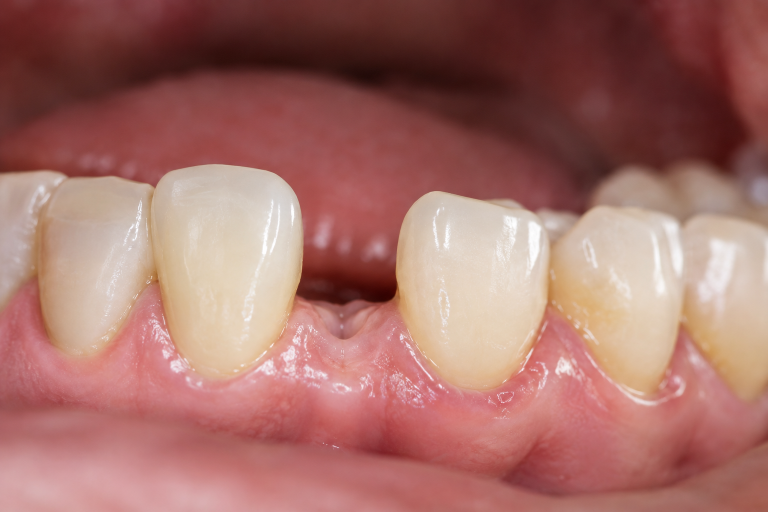
A missing tooth can affect far more than a photo or a smile. For people in Richland and across the Tri-Cities, it may change how comfortably they chew, speak, and use one side of the mouth. Reviewing options early can help prevent a small gap from becoming a larger daily inconvenience.
For a local overview of dental implants Richland WA, Implant & Periodontal Associates Northwest provides information about replacing one tooth, multiple teeth, or a full arch, along with candidacy, treatment planning, and long-term maintenance. As a Richland practice focused on periodontal and implant care, the team serves patients seeking surgical treatment planning throughout the Tri-Cities area.
Why Tooth Loss Can Change More Than a Smile
Even one missing tooth can alter the way the mouth functions. A lost back tooth, for example, may lead someone to chew mostly on the opposite side. Over time, nearby teeth can drift toward an open space, and the opposing tooth may move farther into the gap. These changes can affect how the teeth meet and may make cleaning more difficult.
The jawbone also responds to the loss of a tooth root. The amount and pattern of bone change vary from person to person, but bone support is an important factor in planning a replacement. That is why a gap that has been present for years may need a different approach than a gap from a recently lost tooth.
Start With One Important Question: Can the Natural Tooth Be Saved?
Before planning an extraction, ask why removal is necessary and whether reasonable tooth-saving treatment exists. The condition of the tooth, the extent of remaining healthy structure, the location of the fracture, infection, previous root canal treatment, and gum and bone support can all affect the answer. General health and the ability to heal also matter.
The importance of preserving natural teeth is central to patient-focused planning. A thoughtful conversation should compare the risks, benefits, costs, and maintenance needs of saving a tooth with the alternatives available if it cannot be restored.
Three Main Ways to Replace Missing Teeth
Dental Implants
A dental implant is a post placed in the jawbone to support a replacement tooth. It can hold a single crown, support a bridge for several missing teeth, or help retain a larger denture restoration. The implant itself is the foundation beneath the visible tooth, not the crown or denture seen in the mouth.
Fixed Dental Bridges
A conventional bridge fills a gap by connecting a replacement tooth to crowns on neighboring teeth. It may be appropriate when those teeth already need crowns or when implant surgery is not a preferred option. The health, strength, and long-term outlook of the supporting teeth should be considered carefully.
Removable Dentures
Partial dentures replace some missing teeth, while complete dentures replace an entire upper or lower arch. They can restore appearance and some chewing function without implant surgery. However, removable appliances need regular cleaning, and their fit may change as the mouth changes over time.
How Dental Implants Work
The process typically begins with an exam, dental imaging, and a discussion of health history and goals. If needed, a tooth may be removed, gum disease treated, or bone grafting recommended before implant placement. After the implant is placed, healing allows bone to integrate around it. An abutment then connects the implant to the final crown, bridge, or denture.
The American Dental Association explains that implants can support replacement teeth after they are placed in the jaw and allowed to heal. Treatment timing varies. Some cases involve staged healing, while others may allow temporary teeth sooner, depending on the site and planned restoration.
Who May Be a Candidate?
Age alone does not determine candidacy. Clinicians generally review gum health, bone support, oral hygiene habits, medical conditions, medications, tobacco use, and the ability to attend follow-up visits. Controlled medical conditions may not automatically prevent treatment, but they should be part of an individualized plan.
When Bone or Gum Support Is Limited
Limited bone or inflamed gum tissue does not automatically rule out implants. Some patients may benefit from periodontal treatment, bone grafting, or additional healing time before surgery. Only an in-person examination and appropriate imaging can show whether a specific site has adequate support or needs preparation first.
Questions to Ask Before Choosing Treatment
- Can this natural tooth be saved safely and predictably?
- Which replacement options fit my oral health and goals?
- Will I need gum treatment, grafting, or a temporary tooth?
- How long could treatment and healing take?
- What risks and maintenance responsibilities should I expect?
- What costs are separate from the final crown, bridge, or denture?
- Which providers will handle surgery and the final restoration?
Preparing for a Richland Implant Consultation
Bring a current medication list and share relevant information about diabetes, smoking, prior surgeries, bleeding concerns, or past healing problems. Write down symptoms and priorities, whether that means chewing comfort, avoiding removable teeth, restoring a visible tooth, or managing the timeline around work and family responsibilities. Ask for a written plan that clearly separates surgical, restorative, imaging, sedation, and grafting costs when applicable.
Maintenance After Tooth Replacement
Implants cannot decay, but bacteria can still contribute to inflammation in the surrounding gum and bone. Brush twice daily, clean between teeth or around implant-supported restorations as instructed, and keep regular dental and periodontal appointments. Contact a dental professional promptly for bleeding or swollen gums, ongoing soreness, drainage, a bad taste, loose components, or a bite that suddenly feels different.
Final Takeaway
Replacing a missing tooth is both a functional and long-term oral health decision. A careful evaluation can clarify whether a natural tooth should be preserved, whether an implant is suitable, or whether a bridge or denture is the better option. The best plan is one that matches the patient’s health, budget, goals, and ability to maintain the result over time.
Read more: The Growing Importance of Preventive Health Awareness