
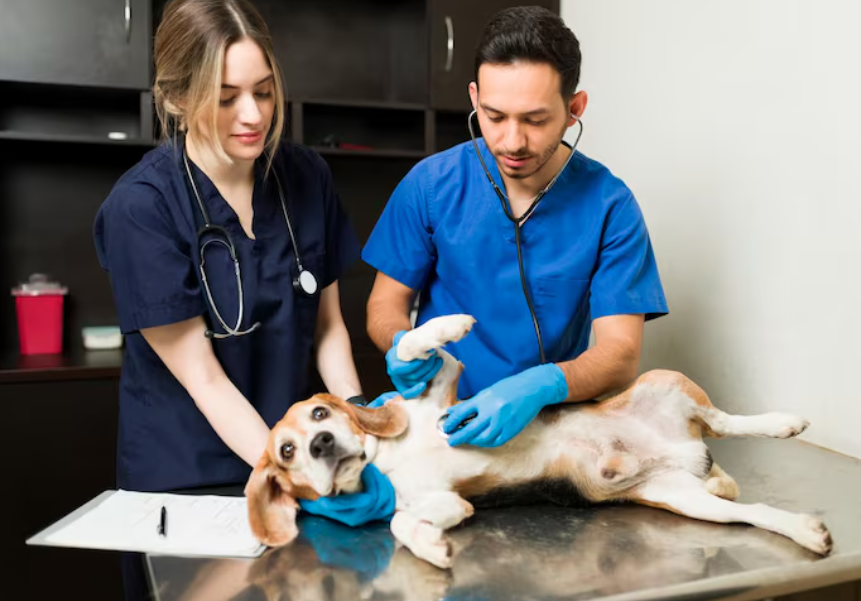
Keeping pets healthy involves more than just addressing illnesses when they arise; proactive care is fundamental to ensuring long-term health and vitality. Preventive veterinary care combines tailored vaccination programs and routine seasonal check-ups to safeguard pets against predictable health risks.
1. The Core Pillar: Essential Vaccinations
Vaccines train a pet’s immune system to recognize and combat severe, often life-threatening infectious diseases. Veterinary protocols generally categorize vaccines into core and non-core groups based on risk exposure and necessity.
Core Vaccines
Core vaccines are recommended for all pets regardless of lifestyle, environment, or region because the diseases they prevent are widespread, highly contagious, or fatal.
- For Dogs:
- Rabies: A mandatory vaccine in most regions due to its fatal nature and potential transmission to humans (zoonotic risk).
- DHPP / DAPP: A combination shot protecting against Distemper, Hepatitis (Adenovirus type 1), Parvovirus, and Parainfluenza. Parvovirus and Distemper can be devastating, especially for young puppies.
- For Cats:
- Rabies: Crucial for both indoor and outdoor cats.
- FVRCP: A core combination vaccine protecting against Feline Viral Rhinotracheitis, Calicivirus, and Panleukopenia (feline distemper).
Non-Core (Lifestyle) Vaccines
Non-core vaccines are administered based on a pet’s specific lifestyle, geographic location, and risk factors.
- Canine Non-Core: Bordetella bronchiseptica (kennel cough) and Canine Influenza for dogs that visit boarding facilities, dog parks, or grooming salons; Leptospirosis for pets exposed to wildlife or standing water; and Lyme disease for dogs in tick-dense areas.
- Feline Non-Core: Feline Leukemia Virus (FeLV), which is strongly recommended for outdoor cats or those living with FeLV-positive companions.
Vaccination Timing: Puppies and kittens require a series of booster shots starting around 6–8 weeks of age until their immune systems mature (around 16 weeks). Adult pets require periodic boosters—typically every 1 to 3 years depending on the specific vaccine type and local veterinary guidelines.
2. Seasonal Health Checks and Adapting to the Climate
Pet care requirements shift throughout the year. Adapting routine maintenance and veterinary check-ups to seasonal changes helps prevent climate-related health issues.
+-----------------------------------------------------------------------------------+
|                            SEASONAL HEALTH CARE FOCUS                             |
+--------------------------+--------------------------------------------------------+
| Spring & Summer          | Parasite Prevention, Heat Safety, Hydration, Allergies  |
+--------------------------+--------------------------------------------------------+
| Autumn & Winter          | Joint Care, Winter Grooming, Antifreeze Toxicity      |
+--------------------------+--------------------------------------------------------+
Spring & Summer Care
- Parasite Prevention: Rising temperatures bring a surge in fleas, ticks, and mosquitoes. Ticks transmit Lyme disease and Anaplasmosis, while mosquitoes carry heartworm larvae. Year-round or seasonal preventive treatments (topicals, oral chews, or collars) are essential.
- Heat & Hydration: Pets can quickly suffer from heatstroke. Ensure access to fresh water, limit exercise during peak daylight hours, and never leave pets in enclosed vehicles.
- Seasonal Allergies: Environmental allergens like pollen can cause itchiness, skin infections, or ear issues in dogs and cats.
Autumn & Winter Care
- Joint & Arthritis Management: Cold, damp weather often worsens joint stiffness in senior pets. Early wellness exams can help identify early signs of arthritis and establish pain-management strategies.
- Skin & Coat Care: Indoor heating systems can cause dry, flaky skin. Regular grooming and omega-3 fatty acid supplements can help maintain a healthy skin barrier.
- Chemical Hazards: Products like antifreeze (ethylene glycol) are highly toxic to animals and sweet-tasting. Keep chemical containers out of reach and wipe down paws after walks to prevent ingestion of road salt or ice-melt chemicals.
3. Benefits of Regular Preventive Screenings
Routine veterinary visits—typically annual for young adults and bi-annual for seniors—do more than deliver shots. They provide an opportunity for comprehensive evaluations:
- Dental Health Assessments: Periodontal disease affects a majority of adult pets, potentially leading to systemic heart or kidney complications if left untreated.
- Baseline Blood Work & Diagnostic Screenings: Routine blood panels help identify silent, early-stage conditions such as kidney dysfunction, liver disease, or thyroid imbalance before clinical symptoms appear.
- Weight & Nutrition Counseling: Obesity places significant strain on pet joints and internal organs. Regular weigh-ins keep pets at an optimal body condition score.
Conclusion
Preventive care is an investment in a pet’s long-term health and well-being. Keeping up with core vaccinations, maintaining effective parasite control, and adapting routines to seasonal changes significantly reduces the risk of preventable diseases, ensuring companion animals live healthy, comfortable lives.
Read more : High Protein McDonald’s: Best Protein-Rich Menu Options


1 comment