
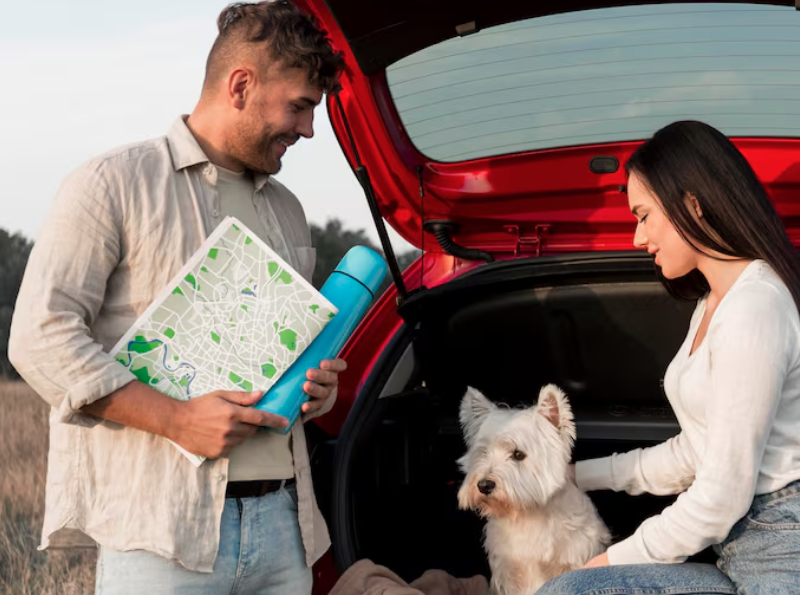
Taking your pets on a vacation transforms a simple getaway into a memorable family adventure. However, while humans look forward to scenic routes and new sights, animals often interpret travel through a lens of unfamiliar sounds, strange movement, and disrupted routines.
Whether you are mapping out a cross-country drive or booking a scenic train journey, preparing your pet in advance ensures a safe, comfortable, and enjoyable experience for everyone involved.
1. Lay the Groundwork: Health and Paperwork First
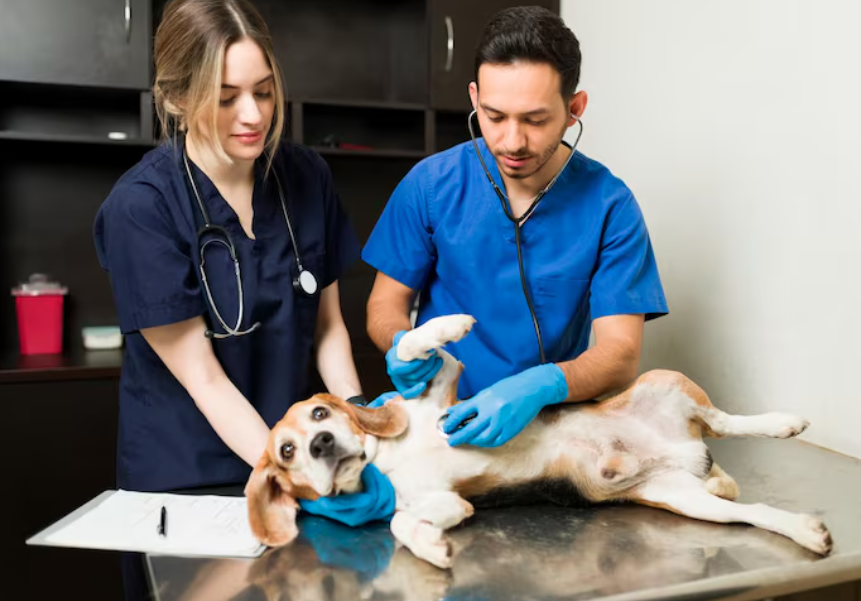
Before packing any bags, schedule a visit with your veterinarian. A pre-trip health checkup guarantees that your pet is fit for travel and up to date on all necessary vaccinations.
- Health Clearance: Ensure your pet’s routine vaccinations (like rabies) and parasite preventatives are fully updated.
- Documentation: Keep digital and physical copies of vaccination records, medical histories, and health certificates easily accessible.
- Microchipping: Confirm that your pet’s microchip contact details are current. Attach a sturdy ID tag to their collar with your updated mobile number.
2. Road Trips: Safe and Seamless Highway Adventures
Car travel offers high flexibility, but it requires deliberate safety measures to protect pets from unexpected stops or sudden turns.
Vehicle Safety and Restraints
Never allow pets to roam freely inside a moving vehicle. Unsecured pets can distract the driver or risk injury during sudden braking. Use a crash-tested safety harness attached to the seatbelt, or secure them inside a well-ventilated crate anchored to the car floor.
Pro-Tip: If your pet isn’t used to long car rides, start with short 10-minute practice drives around your neighborhood, gradually building up to longer distances over a few weeks.
Smart Road Trip Habits
- Frequent Breaks: Plan stops every 2 to 3 hours for bathroom breaks, water, and brief walks on a secure leash.
- Temperature Control: Never leave your pet unattended inside a parked car, regardless of the weather outside. Vehicles can reach dangerous temperatures within minutes.
- No Leaning Out Windows: While dogs love the breeze, debris and wind can cause severe eye or ear injuries. Keep windows cracked slightly for airflow, not wide open.
3. Rail Trips: Navigating Tracks and Compartments
Train travel can be relaxing and spacious, but it introduces novel triggers like locomotive whistles, clattering tracks, and crowded platforms.
Know the Policy Rules
Rail operators have specific regulations regarding pet travel. Review the rules well in advance:
- Small Pets: Most passenger lines require small pets to remain in approved, leak-proof carriers tucked under the seat or in designated areas.
- Larger Dogs: Some rail systems require advance bookings for dedicated coupes, cabins, or brake vans. Confirm whether your route allows dogs and what specific carrier or leash guidelines apply.
Train Etiquette and Management
- Desensitize to Noise: Play recordings of train sounds at home weeks before the trip to help reduce anxiety on departure day.
- Tire Them Out: Exercise your dog thoroughly before heading to the railway station. A tired pet is far more likely to rest calmly during the train ride.
- Maintain Calm Control: Keep your pet on a short leash or safely inside their carrier while navigating busy platforms and waiting halls.
4. Packing the Ultimate Pet Travel Kit
Pack a dedicated bag for your pet so their essentials are always within quick reach.
| Essential Category | Items to Include |
| Comfort | Favorite blanket, familiar bed, and familiar toys to ease anxiety. |
| Nourishment | Regular food supply, safe bottled water, portable bowls, and treats. |
| Hygiene | Waste bags, paper towels, pet-safe wet wipes, and an extra leash. |
| First Aid | Gauze, pet-safe antiseptic wipes, tweezers, and prescribed medications. |
5. Managing Anxiety and Motion Sickness
Movement and environment shifts can trigger nausea or stress in both dogs and cats.
- Feeding Schedule: Feed your pet a light meal 3 to 4 hours before departure rather than right before hitting the road or boarding the train.
- Calming Aids: Consider using vet-approved calming sprays, pheromone collars, or anxiety vests.
- Consult Your Vet: For pets prone to severe motion sickness or extreme fear, ask your veterinarian about safe anti-nausea medications or light sedatives.
Final Thoughts
A successful pet-friendly trip comes down to patience, preparation, and empathy. By taking the time to desensitize your companion to their carrier or vehicle, keeping their routine consistent, and packing thoughtfully, you set the stage for a smooth journey. With the right prep, the road—or the rail—becomes an exciting adventure you both can enjoy together.
Read more : Starbucks Pink Drink With Coconutmilk: Ingredients, Caffeine, Calories & Recipe
1 comment