There is a distinct, quiet sweetness to sharing life with a senior pet. The energetic, unpredictable days of puppyhood or kittenhood yield to gentle routines, deep trust, and a shared understanding. However, as our cats and dogs cross into their golden years—typically around age seven or eight, depending on breed and size—their physical and cognitive needs begin to shift.
Aging in pets is not a disease; it is a natural phase of life. With thoughtful adjustments to their daily routine, home environment, and healthcare, you can ensure your companion stays active, pain-free, and happy.
1. Recognizing the Subtle Signs of Aging
Pets are masters at hiding discomfort. In the wild, showing vulnerability can be dangerous, a trait our domesticated dogs and cats still carry. Rather than crying out, senior pets often signal pain or decline through subtle behavioral changes:
- For Dogs: Hesitating before climbing stairs, taking longer to stand up after a nap, stiffness in cold weather, or loss of interest in long walks.
- For Cats: Reluctance to jump onto elevated surfaces, unkempt fur due to difficulty grooming, missing the litter box, or sleeping in unusually low, easily accessible spots.
Paying close attention to these quiet cues allows you to intervene early before minor discomfort turns into chronic pain.
2. Modifying Exercise for Golden Years
Staying active is critical for senior pets. Regular movement maintains muscle mass, keeps joints lubricated, and supports cardiovascular health. The key is shifting from high-intensity play to low-impact consistency.
For Senior Dogs
- Shorter, Frequent Walks: Replace one long daily walk with two or three shorter, gentle strolls. Allow your dog to sniff around—mental stimulation is just as tiring and rewarding as physical exercise.
- Controlled Swimming: If accessible, warm-water hydrotherapy or gentle swimming is fantastic for dogs with arthritis, as it builds strength without putting weight on sore joints.
- Avoid Sudden Movements: Limit sharp turns, sudden stops, and high-impact ball fetching, which can strain stiff tendons and ligaments.
For Senior Cats
- Interactive Play Sessions: Keep play short—about 5 to 10 minutes at a time. Use feather wands or slow-moving toys along the floor rather than encouraging high vertical leaps.
- Food Puzzles: Encourage movement by placing low-intensity puzzle feeders around the house to stimulate both mind and body.
3. Creating an Accessible, Pain-Free Home
Simple modifications around your living space can dramatically improve your pet’s daily quality of life:
- Orthopedic Bedding: Invest in high-density memory foam beds. Ensure the bed has low edges so your pet doesn’t have to step over a tall barrier to lie down.
- Non-Slip Flooring: Hardwood and tile floors are like ice rinks for pets with weak joints. Lay down yoga mats, runner rugs, or non-slip strips in high-traffic pathways.
- Ramps and Steps: Place pet ramps next to couches, beds, or car trunks to prevent painful jumping.
- Low-Sided Litter Boxes: Older cats often stop using litter boxes simply because the entry wall is too high to step over comfortably. Switch to a box with a low front entry.
4. Tailoring Nutrition and Hydration
Metabolism slows down as pets age, and their nutritional requirements evolve.
- Weight Management: Carrying excess body weight puts severe strain on arthritic joints and increases the risk of diabetes and heart disease. Adjust caloric intake based on your pet’s lower activity levels.
- Joint Supplements: Consult your veterinarian about incorporating Omega-3 fatty acids (fish oil), glucosamine, and chondroitin into their diet to support joint fluid and reduce inflammation.
- Hydration Control: Senior pets, particularly cats, are prone to kidney issues. Place multiple water bowls across the house, or consider a pet water fountain, as running water often encourages cats to drink more.
5. Prioritizing Veterinary Care and Comfort
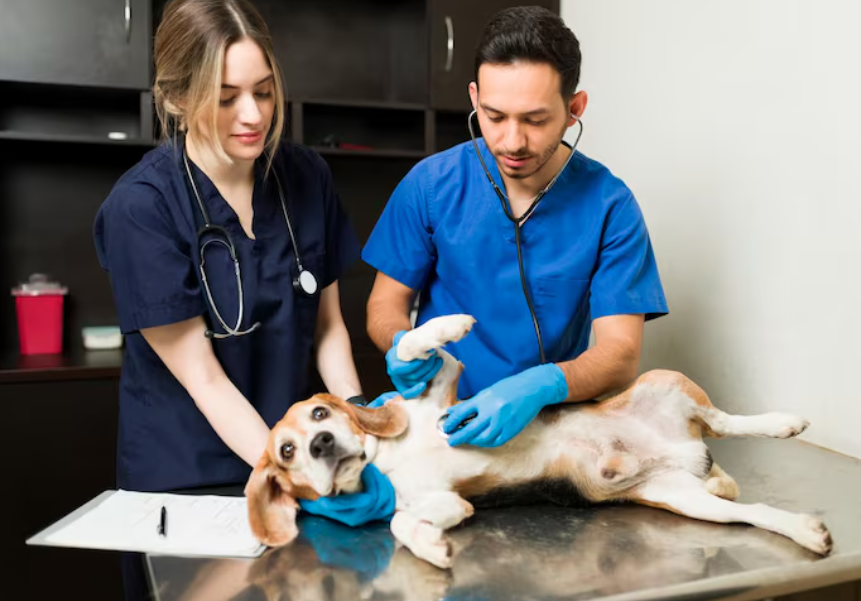
As pets age, wellness checkups should increase from once a year to every six months. Biannual visits allow veterinarians to run routine blood work, check organ function, and catch conditions like kidney disease, diabetes, or arthritis in their earliest stages.
Work closely with your vet on a targeted pain management plan if joint degeneration sets in. Today, therapeutic options range from targeted medications and cold laser therapy to acupuncture and specialized physical rehabilitation.
Final Thoughts
Caring for an aging cat or dog requires patience, observation, and a willingness to adapt. By making small changes to their environment and keeping them gently active, you can provide your faithful companion with a peaceful, comfortable, and joy-filled retirement.
Read more : Tropical Punch Recipe: Easy, Fruity and Refreshing