Introduction
A peaceful home is more than a beautiful space. It is an environment that encourages relaxation, improves comfort, and creates a sense of balance in everyday life. As modern living becomes increasingly busy, many homeowners are embracing visual simplicity to transform their interiors into calming retreats.
Creating calm interiors does not mean removing personality or leaving rooms empty. Instead, it involves making thoughtful design choices that reduce unnecessary distractions while highlighting comfort, functionality, and natural beauty.
Understanding Visual Simplicity in Interior Design
Visual simplicity focuses on creating an organized and harmonious environment through carefully selected elements. Rather than filling every corner with furniture or decoration, this approach emphasizes meaningful objects, clean lines, and balanced arrangements.
The goal is to allow each design element to contribute to the overall atmosphere without overwhelming the senses.
A room designed around simplicity often feels more spacious, inviting, and comfortable. Even smaller homes can benefit from this philosophy because thoughtful organization creates an impression of openness.
Choosing a Soft and Balanced Color Palette
Color plays a significant role in shaping the emotional atmosphere of a room. Soft, neutral shades are commonly associated with tranquility because they create gentle visual transitions.
Warm whites, light beige, muted gray, and earthy tones can establish a peaceful foundation. However, calm interiors do not have to rely exclusively on neutral colors.
Subtle shades of sage green, dusty blue, or soft terracotta can introduce personality while maintaining visual harmony.
Using a limited color palette throughout connected spaces also creates continuity, making the home feel more unified.
Reducing Clutter Without Sacrificing Personality
Clutter is one of the most common obstacles to creating a peaceful interior. Excessive decorations, crowded shelves, and unnecessary furniture can make rooms feel visually overwhelming.
The solution is not necessarily extreme minimalism. Instead, homeowners can focus on keeping objects that serve a purpose or carry personal meaning.
A thoughtfully displayed collection of books, a favorite artwork, or a handmade ceramic piece can add character without creating disorder.
Hidden storage solutions, multifunctional furniture, and organized shelving help maintain a clean appearance while supporting daily activities.
Embracing Natural Light and Open Space
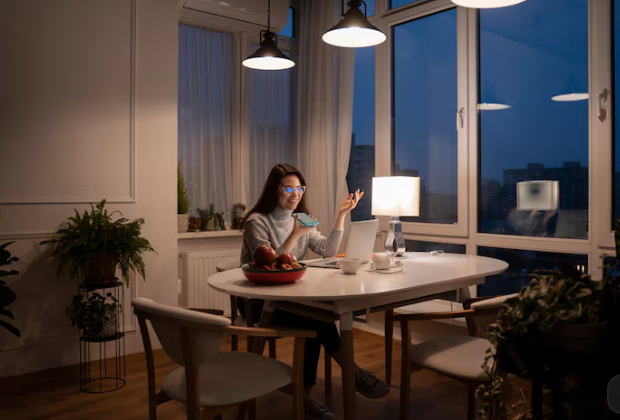
Natural light has the ability to transform the appearance and atmosphere of an interior. Bright spaces often feel more welcoming, while soft daylight highlights textures and architectural details.
To maximize natural light, consider using lightweight curtains, positioning furniture away from windows, and choosing reflective surfaces strategically.
Mirrors can distribute available light and create the impression of additional space.
Equally important is leaving sufficient open space between furniture pieces. Comfortable movement throughout a room prevents the environment from feeling crowded.
Introducing Texture for Warmth and Comfort
Simple interiors can sometimes appear cold when they lack variation in materials. Texture provides an effective way to add depth without introducing excessive visual complexity.
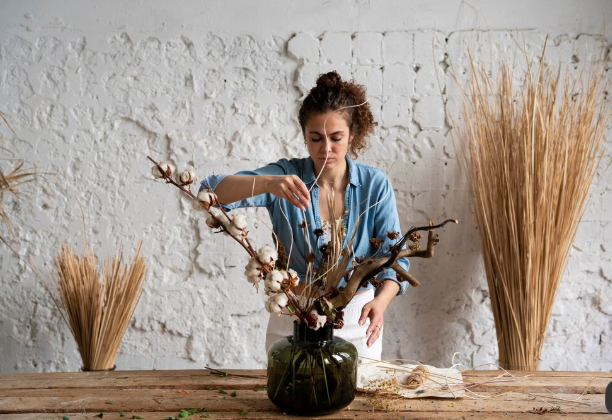
Natural materials such as wood, linen, cotton, wool, and stone create subtle contrasts that enrich the overall design.
For example, a neutral sofa paired with woven cushions, a soft rug, and a wooden coffee table can create a welcoming atmosphere.
The combination of different textures makes the room visually interesting while preserving its peaceful character.
Selecting Furniture With Purpose
Furniture should contribute to both the appearance and functionality of a room. Oversized or unnecessarily elaborate pieces can dominate the available space and interrupt visual balance.
Choosing furniture with simple silhouettes, comfortable proportions, and practical features helps establish a harmonious arrangement.
Instead of purchasing numerous small furniture items, consider investing in fewer, well-designed pieces that meet everyday needs.
Proper placement is equally important. Arranging furniture around natural focal points encourages conversation, relaxation, and comfortable movement.
Using Decorative Elements Thoughtfully
Decorations bring individuality to interiors, but moderation helps maintain simplicity.
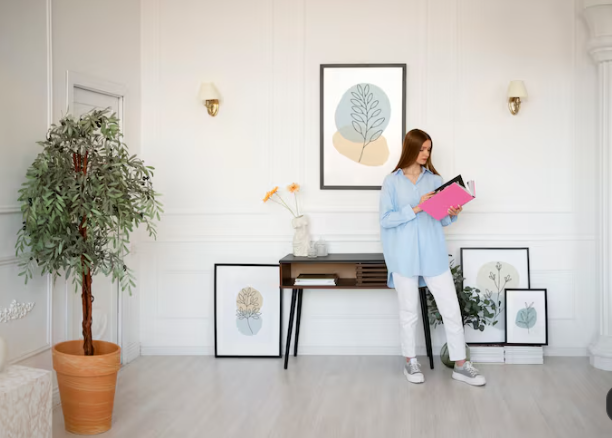
One large artwork can create a stronger visual impression than several competing decorations. Similarly, a carefully positioned indoor plant can introduce freshness without overwhelming a room.
Consider arranging decorative pieces with space between them rather than filling every available surface.
This approach allows individual objects to receive attention while creating a sense of rhythm and balance throughout the interior.
Creating a Consistent Atmosphere Across Rooms
A calming home benefits from a consistent design language. Repeating similar colors, materials, and shapes across different rooms helps establish a natural connection between spaces.
However, consistency does not require every room to look identical.
Bedrooms may feature softer textiles and subdued lighting, while living areas can incorporate slightly stronger accents and practical furniture.
The important principle is maintaining visual harmony while allowing each space to support its intended purpose.
Conclusion
The art of creating calm interiors through visual simplicity lies in thoughtful choices rather than strict design rules. Balanced colors, natural materials, purposeful furniture, and carefully selected decorations can transform ordinary rooms into comfortable and inviting spaces.
By reducing unnecessary visual distractions and focusing on meaningful details, homeowners can create interiors that feel organized, welcoming, and timeless.
Ultimately, a calm home is not defined by how little it contains, but by how beautifully its elements work together to support everyday living.
Add Practical Room-by-Room ExamplesInclude a Simple Calm-Interior Checklist
Read more: The Art of Balancing Personal Ambition With Meaningful Rest