

Introduction
Have you ever noticed how a beautifully arranged meal can make you feel hungry even when you weren’t thinking about food? The appearance of a dish plays a surprisingly powerful role in shaping appetite, taste expectations, and overall dining satisfaction. While flavor and aroma are essential to enjoying food, visual presentation often creates the first impression.
From vibrant colors and creative plating to portion sizes and table settings, food presentation influences how the brain interprets a meal. Understanding this connection reveals why presentation matters not only in fine dining but also in everyday eating habits.
The Psychology Behind Food Presentation
The human brain begins evaluating food before the first bite. When we see a dish, visual information helps us predict its flavor, freshness, texture, and quality.
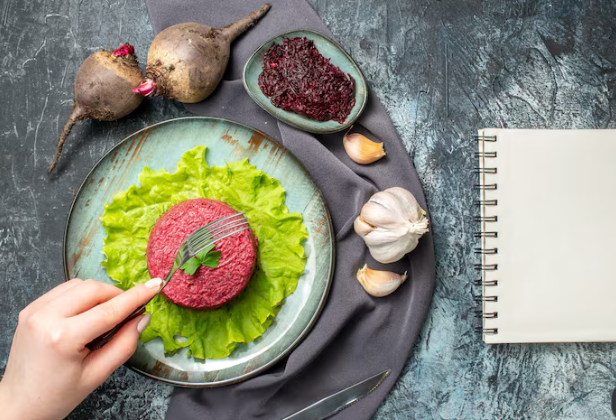
A colorful plate filled with fresh vegetables, golden grains, and carefully arranged ingredients may appear more appetizing than the same foods served without attention to presentation.
This response is connected to sensory expectations. The brain uses visual cues to anticipate the eating experience, which can influence how enjoyable the food seems once tasted.
Attractive presentation does not automatically make food delicious, but it can create positive expectations that shape the overall experience.
How Colors Influence Appetite
Color is one of the most noticeable elements of food presentation. Different colors can communicate freshness, ripeness, richness, and variety.
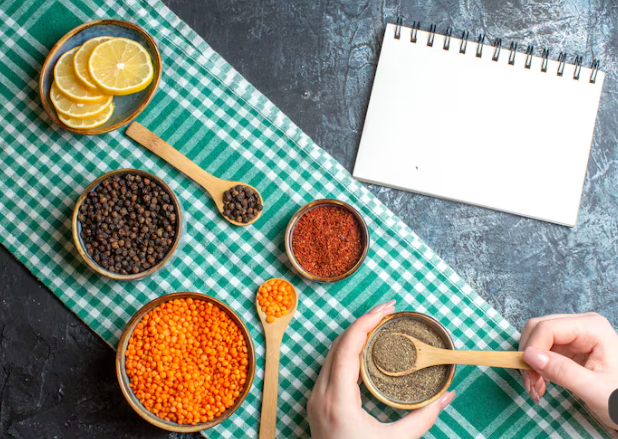
For example, bright red strawberries, green herbs, orange carrots, and golden roasted potatoes create visual contrast that makes a meal more appealing.
Natural colors also provide clues about ingredients and preparation methods. Vibrant vegetables may suggest freshness, while a golden crust can indicate roasting or baking.
However, color preferences are influenced by personal experiences and cultural traditions. A color associated with delicious food in one cuisine may carry a different meaning in another.
Using contrasting colors thoughtfully can make meals more visually interesting without changing their nutritional content.
Why Plate Arrangement Makes a Difference
The way food is arranged on a plate can influence how people perceive its quality and value.
Restaurants often use deliberate plating techniques to create balance, highlight important ingredients, and guide attention toward particular elements.
For example, placing the main ingredient at the center and surrounding it with complementary vegetables and sauces can make the dish appear organized and inviting.
Spacing also matters. A crowded plate may look overwhelming, while carefully arranged portions can make individual ingredients easier to appreciate.
Interestingly, even simple home-cooked meals can benefit from thoughtful arrangement. Serving rice neatly beside vegetables and garnishing with fresh herbs can improve visual appeal without requiring professional culinary skills.
The Role of Portion Size and Plate Shape
Food presentation can also affect perceptions of quantity.
A small portion placed on a large plate may appear less substantial, while the same portion on a smaller plate may seem more generous.
Plate shape, background color, and the space surrounding food can influence visual judgments about serving sizes.
However, these effects vary between individuals and situations. Changing plate size alone does not guarantee that someone will eat more or less.
Understanding these visual influences can help people serve meals more intentionally and develop greater awareness of portion sizes.
Texture and Visual Contrast Create Anticipation
Texture is another important element of food presentation.
Imagine a creamy dessert topped with crunchy nuts or a smooth soup decorated with toasted seeds. The visual contrast creates expectations about how the food will feel in the mouth.
Crispy edges, glossy sauces, layered ingredients, and fresh garnishes can suggest different sensory experiences before eating begins.
When appearance accurately reflects texture, the dining experience may become more satisfying because expectations match reality.
This is one reason chefs frequently combine smooth, crunchy, soft, and crisp components within a single dish.
How Presentation Influences Healthy Eating
Attractive food presentation may also encourage interest in nutritious meals.
Vegetables, fruits, whole grains, and other wholesome ingredients can become more appealing when served creatively.
A colorful salad arranged with contrasting ingredients may attract more attention than an identical mixture served without visual organization.
For families, presenting healthy foods in engaging ways can make mealtimes more enjoyable, particularly for children who are hesitant to try unfamiliar ingredients.
Simple techniques such as cutting fruits into appealing shapes, arranging vegetables by color, or using attractive serving bowls can make everyday meals more inviting.
Social Media and the Rise of Visual Dining
Social media has increased attention to food aesthetics. Platforms filled with photographs of elaborate desserts, colorful beverages, and artistic meals have changed how many people discover and evaluate food.
Restaurants and home cooks increasingly consider how dishes will appear in photographs.
Although visually impressive food can generate excitement, appearance should complement rather than replace flavor, freshness, and nutritional quality.
The most satisfying meals balance attractive presentation with an enjoyable eating experience.
Conclusion
The connection between food presentation and appetite demonstrates that eating is a multisensory experience. Colors, arrangement, textures, portion sizes, and visual contrast all contribute to expectations before the first bite.
Thoughtful presentation can make familiar ingredients feel more exciting, encourage curiosity about nutritious foods, and improve the enjoyment of everyday meals.
Ultimately, food does not need elaborate decoration to look appetizing. Small details, such as fresh garnishes, balanced colors, and organized plating, can transform an ordinary meal into a more inviting dining experience.
Read more: How Regional Spices Tell Stories About Cultural Identity
1 comment