After intense exercise, hot weather, or illness, water alone often isn’t enough. Your body loses both fluids and critical minerals called electrolytes — and plain water does not replace them.
This guide covers everything you need to know about drinks with electrolytes: what they do, when you actually need them, which options work best for specific situations, and how to make your own at home.
Quick Answer (TL;DR)
The best drinks with electrolytes include coconut water, milk, watermelon juice, homemade citrus drinks, sports hydration beverages, and electrolyte powders. These drinks replace minerals — primarily sodium, potassium, magnesium, and calcium — lost through sweat. For most casual daily activities, plain water is sufficient. Electrolyte drinks become essential during workouts longer than 60 minutes, heat exposure, illness, or heavy physical labor.
What you’ll learn:
- What electrolytes are and why they matter
- The best natural electrolyte drinks (with comparisons)
- Homemade electrolyte drink recipes that work
- How to choose the right drink for workouts, heat, illness, and kids
- Common hydration myths and mistakes to avoid
- A FAQ optimized for real-world questions
What Are Electrolytes — and Why Do They Matter?
Electrolytes are electrically charged minerals that dissolve in body fluids. When mixed with water, they carry electrical signals that power nearly every system in the body.
Their core functions include:
- Regulating fluid balance between cells and bloodstream
- Enabling muscle contractions, including the heart
- Supporting nerve signal transmission
- Maintaining blood pH levels
- Driving physical and cognitive performance
The four primary electrolytes involved in hydration are:
| Electrolyte | Key Role | Top Food/Drink Sources |
|---|---|---|
| Sodium | Fluid retention, nerve function | Sports drinks, sea salt, salted recipes |
| Potassium | Muscle contraction, heart rhythm | Coconut water, bananas, dairy |
| Magnesium | Muscle recovery, nerve health | Smoothies, leafy greens, nuts |
| Calcium | Muscle function, bone health | Milk, yogurt, fortified drinks |
How Much Do You Lose Through Sweat?
More than most people realize. Research published in the Journal of Occupational Health found that during prolonged work in heat, average sodium losses over a single shift range from 4.8 to 6 grams — equivalent to 10–15 grams of salt (NaCl). Sweat sodium concentration varies significantly between individuals, which is why some athletes feel muscle cramps even after drinking plenty of fluid.
Sodium and chloride are the dominant electrolytes in sweat. Potassium losses are smaller but still meaningful during extended exercise.
When Do You Actually Need Drinks With Electrolytes?
Is plain water ever enough?
For most people doing light daily activities — desk work, short walks, casual errands — plain water handles hydration needs perfectly well. Electrolyte drinks are not necessary 24/7.
When electrolyte drinks make a real difference:
Workouts lasting over 60 minutes Exercise science consensus (including American College of Sports Medicine guidelines) recommends electrolyte replacement for sessions exceeding one hour, especially when sweating heavily.
Outdoor heat and summer activity Heat dramatically accelerates fluid and sodium loss. In hot, humid environments, sweat rates can exceed 1–2 liters per hour.
Physically demanding jobs Construction workers, landscapers, agricultural workers, and outdoor crews can lose substantial electrolytes during 8–10 hour shifts in heat.
Illness (vomiting, diarrhea, fever) These conditions deplete both fluids and electrolytes rapidly. Oral rehydration solutions (ORS) — designed with specific sodium-glucose ratios — are often the most effective option here.
Travel and air travel Cabin air has humidity levels as low as 10–20%, which promotes passive dehydration even without physical exertion.
Endurance sports Marathon runners, triathletes, cyclists, and swimmers lose large volumes of sweat containing significant sodium. Electrolyte replacement becomes critical to performance and safety.
In practice: A 30-minute indoor gym session at moderate intensity usually only needs water. A 90-minute summer run outdoors warrants a sodium-containing electrolyte drink during and after.
Best Natural Drinks With Electrolytes
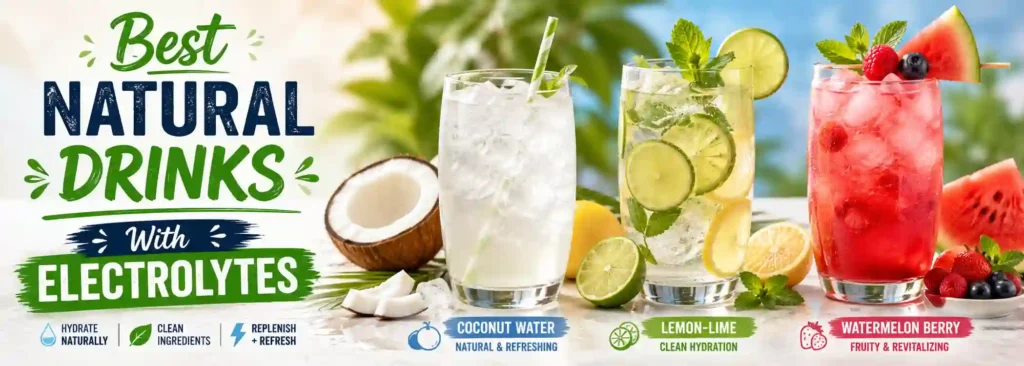
Natural electrolyte drinks are popular because they usually contain fewer additives and work well for everyday hydration.
Coconut Water
Coconut water is one of the most widely consumed natural hydration drinks worldwide. It is naturally rich in potassium (approximately 600 mg per cup) and contains moderate levels of sodium, magnesium, and calcium.
Why it works:
- Lower sugar than most commercial sports drinks
- Light, neutral taste that blends well into smoothies
- Naturally hydrating without artificial ingredients
Limitation: Coconut water is relatively low in sodium — often containing 30–60 mg per cup, compared to 150–200 mg in sports drinks. After intense or prolonged sweating, additional sodium may be needed.
Best for: Light workouts, summer hydration, everyday drinking
Milk (Cow’s Milk and Plant-Based Alternatives)
Milk is an often-overlooked electrolyte drink. Cow’s milk naturally provides calcium, potassium, sodium, protein, and carbohydrates in a single serving.
Some sports nutrition research suggests milk — particularly chocolate milk — may support post-exercise recovery as effectively as commercial sports drinks by combining fluid replacement with protein for muscle repair and carbohydrates for glycogen restoration. However, research findings remain mixed, and individual tolerability varies.
Note: Individuals who are lactose intolerant should opt for lactose-free versions. Research suggests soy milk may offer an electrolyte profile similar to cow’s milk among plant-based alternatives.
Best for: Post-workout recovery, teen athletes, breakfast smoothies
Watermelon Juice
Watermelon is approximately 92% water and contains meaningful potassium, plus the antioxidant lycopene.
Cold watermelon drinks are especially popular during hot weather because of their light flavor, high water content, and natural sweetness from fructose.
Best combinations:
- Watermelon + lime + pinch of sea salt
- Watermelon + mint + coconut water
- Frozen watermelon slush with lemon
Milk Kefir and Yogurt Drinks
Kefir is a fermented milk drink that provides calcium, potassium, sodium, and probiotics. Drinkable yogurt offers similar benefits and is increasingly popular as a post-workout recovery drink, especially for athletes who prefer whole-food sources of protein and electrolytes.
Fruit-Infused Water
Infusing water with citrus slices, cucumber, mint, or berries adds small amounts of potassium, magnesium, and flavor without significant added sugar. While not as electrolyte-dense as sports drinks, it encourages higher fluid intake throughout the day.
Homemade Electrolyte Drink Recipes

Making electrolyte drinks at home gives full control over sugar, sodium, flavor, and cost. These recipes are far more affordable than buying bottled drinks consistently.
Recipe 1: Classic Citrus Electrolyte Drink
Why it works: Citrus provides potassium and vitamin C. Sea salt adds sodium to replace sweat losses. Honey adds fast-acting carbohydrates for energy replacement.
Ingredients (makes 2 servings):
- 2 cups cold water
- ½ cup fresh orange juice
- 2 tablespoons lemon juice
- ¼ teaspoon sea salt (approximately 590 mg sodium)
- 1 teaspoon raw honey (optional, for energy)
Instructions:
- Combine all ingredients in a pitcher or shaker bottle.
- Stir thoroughly until salt dissolves.
- Serve over ice or refrigerate for up to 24 hours.
Recipe 2: Coconut Lime Cooler
Why it works: Coconut water supplies natural potassium. Lime adds vitamin C. This drink is lighter and less sugary than commercial sports drinks.
Ingredients:
- 1 cup unsweetened coconut water
- Juice of 1 lime
- Small pinch of sea salt
- Ice and fresh mint leaves
Best use: Warm afternoons, shorter workouts, casual summer hydration
Recipe 3: Watermelon Recovery Drink
Why it works: Watermelon delivers potassium and high water content. Lime adds brightness. The pinch of salt corrects for sodium lost during heavy sweating.
Ingredients:
- 2 cups cubed fresh watermelon
- Juice of 1 lime
- 1 cup cold water
- Small pinch of sea salt
- Ice
Instructions: Blend until smooth. Strain if desired. Serve immediately.
Recipe 4: Post-Workout Recovery Smoothie
Why it works: This smoothie combines multiple electrolytes (potassium from banana, calcium from yogurt), protein for muscle repair, and carbohydrates to replenish glycogen stores.
Ingredients:
- 1 ripe banana
- 1 cup coconut water
- ½ cup Greek yogurt
- ½ cup frozen mixed berries
- Ice
Instructions: Blend until smooth. Consume within 30–60 minutes after exercise for best recovery results.
Electrolyte Drinks vs. Sports Drinks: How They Compare
Not all hydration drinks are equal. Here’s how the major categories compare across key criteria:
| Drink Type | Best For | Sodium Content | Sugar Level | Portability |
|---|---|---|---|---|
| Traditional Sports Drinks (e.g., Gatorade) | Intense, long workouts | High (~160 mg/serving) | High | Good |
| Coconut Water | Daily hydration, light exercise | Low (~45 mg/cup) | Moderate (natural) | Good |
| Electrolyte Powders (e.g., LMNT, Nuun, Liquid I.V.) | Travel, workouts, flexibility | Varies widely | Low–High | Excellent |
| Oral Rehydration Solutions (e.g., Pedialyte) | Illness, rapid rehydration | High (~370 mg/serving) | Low | Good |
| Homemade Citrus Drinks | Everyday hydration, cost control | Adjustable | Low | Moderate |
| Smoothies | Recovery, post-workout | Moderate | Natural | Low |
Expert note (BodySpec, 2026): “There’s no single best electrolyte drink for everyone. The best choice is the one that matches your situation.” For illness and rapid rehydration, ORS-style drinks — based on WHO glucose-sodium ratios — are often the most scientifically validated choice.
Best Drinks With Electrolytes for Workouts
Hydration needs scale with workout intensity, duration, and environmental heat.
Choosing by Activity
| Activity | Recommended Drink | Why |
|---|---|---|
| Short indoor gym session (<45 min) | Water only | Fluid losses are minimal |
| Moderate outdoor run (45–60 min) | Coconut water | Light potassium support |
| Intense outdoor run (60–90 min, heat) | Sports drink or electrolyte powder + water | Sodium replacement needed |
| Endurance event (marathon, triathlon) | Sodium-rich sports drink + gels | High sweat volume, glycogen depletion |
| Strength training | Smoothie or water | Moderate fluid loss, protein more important |
| Hot yoga or heated class | Electrolyte drink with sodium | Heat dramatically increases sweat rate |
Does the 4–8% Carbohydrate Rule Matter?
Yes. For workouts lasting over 60 minutes, sports nutrition guidelines recommend drinks containing 4–8 grams of carbohydrates per 100 mL. This range optimizes muscle fuel delivery and gastric absorption without causing GI discomfort. Drinks with higher sugar concentrations (above 8%) can slow stomach emptying and may cause cramping during exercise.
Low-Sugar Electrolyte Drinks
The demand for lower-sugar hydration options has grown significantly. Many commercial sports drinks contain 20–35 grams of sugar per bottle — more than many people need for casual activity.
Best Low-Sugar Options
- Unsweetened coconut water — naturally low in added sugar
- Electrolyte tablets without added sugar (Nuun Zero, LMNT) — dissolve in water, zero sugar
- Lemon water with sea salt and a splash of citrus — DIY, nearly zero sugar
- Sparkling water with a squeeze of lime and pinch of salt — refreshing, minimal calories
- Herbal iced tea with citrus and sea salt — antioxidants plus light electrolyte support
- Diluted 50/50 fruit juice and water — cuts sugar by half while keeping minerals
What to Look for on Labels
Prioritize:
- Sodium: 100–300 mg per serving for moderate exercise
- Lower added sugar (under 10g per serving for light activity)
- Short, recognizable ingredient lists
- Natural flavor sources
Watch out for:
- High-fructose corn syrup as a primary ingredient
- Artificial food dyes (especially in children’s drinks)
- Excess caffeine combined with electrolytes (can exacerbate dehydration if overconsumed)
Electrolyte Smoothies That Actually Work
Smoothies offer a satisfying post-workout hydration option that combines multiple electrolytes, protein, and carbohydrates in one meal-like drink.
Best Smoothie Ingredients for Electrolytes
| Ingredient | Primary Electrolyte | Additional Benefit |
|---|---|---|
| Banana | Potassium (~422 mg each) | Natural carbohydrates |
| Coconut water | Potassium, moderate sodium | Hydration base |
| Greek yogurt | Calcium, potassium, sodium | Protein for muscle repair |
| Spinach (fresh) | Magnesium, potassium | Micronutrients, antioxidants |
| Frozen mango | Potassium, vitamin C | Natural sweetness, creamy texture |
| Mixed berries | Potassium, antioxidants | Flavor complexity |
Tropical Recovery Smoothie
Ingredients:
- 1 ripe banana
- ½ cup frozen mango chunks
- 1 cup unsweetened coconut water
- ½ cup plain Greek yogurt
- Handful of ice
Tip: Frozen mango creates a creamier, more satisfying texture than ice alone without diluting the electrolyte content.
Best Electrolyte Drinks for Kids
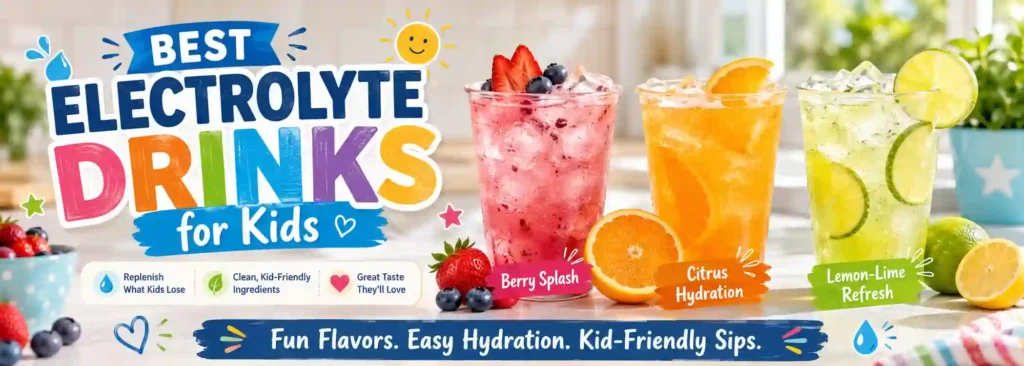
Children have higher body-water percentages than adults, which means dehydration can progress faster — especially during sports, summer heat, or illness.
Most pediatric guidance recommends water as the primary hydration source for everyday activity. Electrolyte drinks become useful during intense sports, heat, or illness, but lower-sugar options are strongly preferred.
What Pediatric Research Says
Pedialyte is the #1 doctor-recommended electrolyte drink in the US. It is clinically designed with sodium, potassium, and glucose in specific ratios optimized for rehydration. It is appropriate for both children and adults during illness-related fluid loss.
Kid-Friendly Electrolyte Drink Ideas
- Watermelon-lime cooler with a pinch of salt
- Diluted 50/50 orange juice and coconut water
- Frozen berry slush with coconut water base
- Banana smoothie with yogurt and coconut water
- Strawberry-infused water with a small splash of citrus juice
Parent tip: Serving drinks very cold and adding colorful fruit garnishes significantly increases acceptance during sports practices and hot weather.
Electrolyte Drinks for Summer Heat
Heat is one of the most underestimated drivers of dehydration. In hot, humid conditions, sweat rate can climb to 1–2 liters per hour, and the urge to drink often lags behind actual need.
Why Thirst Isn’t Enough
Thirst signals may indicate that mild dehydration (approximately 1–2% body weight loss) has already occurred. At 2% dehydration, cognitive performance begins to decline. At 3–4%, physical performance drops measurably.
Top Summer Hydration Strategies
- Start hydrating 2–3 hours before outdoor activity
- Consume 150–250 mL of fluid every 15–20 minutes during heat exposure
- Choose sodium-containing drinks if sweating for more than 45–60 minutes
- Avoid relying entirely on thirst as the signal to drink
- Pair cold drinks with shade and rest breaks during high heat periods
Great Summer Hydration Drinks
Watermelon Mint Cooler — Refreshing, light, naturally hydrating, kid-friendly Citrus Hydration Punch — Great for cookouts, mixes orange, lemon, and lime with sea salt Pineapple Coconut Drink — High potassium, tropical flavor, pairs well with outdoor meals Frozen Berry Slush — Popular with children and adults; easily portable in insulated cups Cold Herbal Tea with Citrus — Hydrating, no added sugar, easy to batch-make
Myths vs. Facts: Common Hydration Misconceptions
Myth 1: “You need electrolyte drinks for every workout.”
Fact: For sessions under 45–60 minutes at moderate intensity, plain water is sufficient for most people. The American College of Sports Medicine only recommends electrolyte supplementation for prolonged or intense exercise.
Myth 2: “Coconut water is just as good as a sports drink.”
Fact: Coconut water is an excellent source of potassium but contains significantly less sodium than most sports drinks. After intense, long-duration exercise, coconut water alone may not replace sodium losses adequately.
Myth 3: “More electrolytes always means better hydration.”
Fact: Excessive electrolyte intake — particularly sodium — can be harmful. Overhydration without adequate sodium can lead to hyponatremia (low blood sodium), a potentially dangerous condition documented in endurance sports.
Myth 4: “Sports drinks are always full of sugar.”
Fact: Many modern electrolyte products (Nuun Zero, LMNT, Gatorade Zero, Ultima Replenisher) contain zero or minimal added sugar. The market has shifted significantly toward low- and no-sugar options.
Myth 5: “You only need hydration in summer.”
Fact: Cold weather, dry indoor air, heated exercise spaces, and air travel all increase fluid and electrolyte loss year-round.
Common Hydration Mistakes to Avoid
1. Drinking only when extremely thirsty Waiting until strong thirst develops means dehydration has likely already started. Consistent, proactive fluid intake is more effective than reactive drinking.
2. Ignoring sodium after heavy sweating Many people focus on “staying hydrated” while overlooking sodium replacement. Without adequate sodium, fluid consumed post-exercise may not be retained effectively.
3. Choosing sugary sports drinks for light activity A 20-oz sports drink with 34 grams of sugar is unnecessary for a casual 20-minute walk. Match the drink intensity to the activity intensity.
4. Forgetting hydration during travel Airplane cabin humidity often drops below 20%. A flight of 3–4 hours can cause noticeable dehydration even without physical activity.
5. Giving children the same drinks as adults Many adult sports drinks contain sodium and sugar levels that are excessive for children in everyday settings. Low-sugar, appropriately dosed options are preferable.
6. Overestimating what electrolyte drinks do Electrolyte drinks support hydration — they do not cure dehydration, treat medical conditions, or enhance performance independent of adequate overall fluid intake.
Expert Tips for Better Hydration
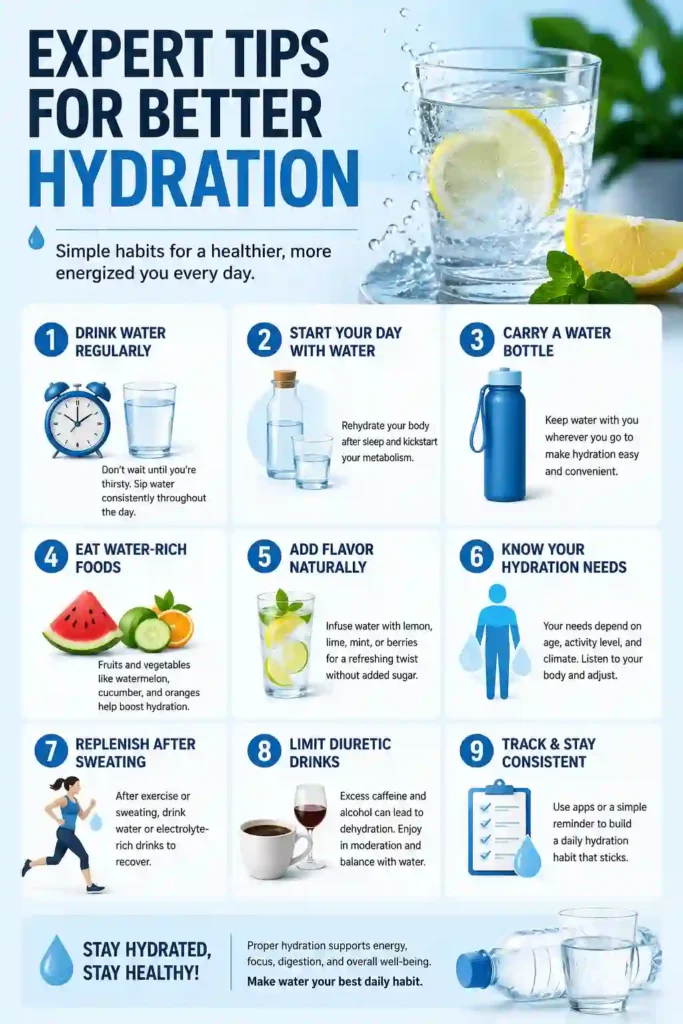
Drink proactively, not reactively. Small amounts consumed consistently throughout the day works far better than drinking large volumes when thirst becomes strong.
Match the drink to the demand. A desk worker needs different hydration support than an outdoor athlete. Customize drink type to your actual sweat rate and activity level.
Use colder drinks in heat. Cold beverages are absorbed slightly faster and are psychologically easier to consume in high-temperature environments.
Prioritize sodium during prolonged sweating. Research consistently shows sodium is the most critical electrolyte for fluid retention and performance during extended exercise.
Read labels, not marketing. “Electrolyte water” claims on a product label don’t guarantee meaningful mineral content. Compare sodium and potassium milligrams per serving, not branding.
Frequently Asked Questions (FAQ)
Are drinks with electrolytes better than water?
For everyday, low-intensity activity, water remains the best hydration choice. Electrolyte drinks become meaningfully better than water during workouts longer than 60 minutes, high-heat exposure, illness with fluid loss, or any situation involving significant sweating.
Which drink with electrolytes has the least sugar?
The lowest-sugar options include unsweetened electrolyte tablets (Nuun Zero, LMNT), homemade citrus-sea salt drinks, sparkling water with lime and salt, and unsweetened coconut water. Traditional sports drinks typically contain the highest added sugar per serving.
Is coconut water enough after a workout?
For short to moderate workouts (under 60 minutes, moderate intensity), coconut water works well. After intense endurance sessions, heavy sweating, or prolonged outdoor exercise, the low sodium content of coconut water may not be sufficient for full recovery — pair it with a sodium source.
What electrolytes are most important during exercise?
Sodium is the most critical electrolyte during exercise and sweat loss because it is the primary mineral in sweat and governs fluid retention. Potassium is second, supporting muscle function and electrolyte balance. Magnesium and calcium play supporting roles in muscle contraction and nerve signaling.
Can kids drink electrolyte drinks daily?
Water should be the daily hydration standard for most children. Electrolyte drinks are appropriate for kids during sports, intense heat, or illness. Lower-sugar options (Pedialyte, diluted coconut water, homemade citrus drinks) are preferred over full-sugar sports drinks for everyday use.
Are electrolyte powders healthy?
Electrolyte powders can be a convenient, effective hydration tool — especially for athletes, travelers, or people who prefer not to drink plain water. The healthiest options have moderate sodium (200–500 mg per serving), minimal added sugar, and simple ingredient lists without artificial dyes or excessive stimulants.
Can electrolyte drinks replace water entirely?
No. Most electrolyte drinks are supplements to water intake, not replacements for it. The WHO and major nutrition organizations recommend water as the foundation of daily fluid intake. Electrolyte drinks serve specific situations where mineral replacement is needed alongside fluids.
What is the best homemade electrolyte drink?
A simple and effective homemade recipe: 2 cups water + ½ cup orange juice + 2 tablespoons lemon juice + ¼ teaspoon sea salt (+ 1 teaspoon honey, optional). This provides potassium from citrus, sodium from sea salt, and carbohydrates for energy at a fraction of the cost of bottled sports drinks.
Key Takeaways
- Electrolytes are minerals that regulate fluid balance, muscle contractions, and nerve function — and are lost in sweat
- Sodium is the most important electrolyte to replace after heavy or prolonged sweating
- Plain water is ideal for daily, low-intensity hydration; electrolyte drinks are most useful during workouts over 60 minutes, heat exposure, illness, or travel
- Coconut water excels as a natural potassium source but is low in sodium — pair it with a salt source after intense sessions
- Homemade electrolyte drinks (water + citrus + sea salt) offer comparable or better value than most packaged options for everyday use
- Low-sugar electrolyte options are widely available and better suited for casual hydration than traditional high-sugar sports drinks
- Children benefit from lower-sugar electrolyte support during sports, heat, and illness — Pedialyte is the leading clinically-backed option
- Thirst is an unreliable early indicator of dehydration — proactive, consistent fluid intake is more effective
- Smoothies combining banana, coconut water, and yogurt provide well-rounded post-workout electrolyte recovery
- Matching the drink to the situation is more important than any single “best” product
Final Thoughts
The best drinks with electrolytes are the ones that match your actual activity level, environment, and health needs — not the ones with the most aggressive marketing.
For most people, a combination of regular water, occasional coconut water, and a homemade citrus-salt drink during or after heavy exertion covers the full spectrum of hydration needs without relying on expensive, sugar-heavy commercial products.
If you work outdoors, train intensely, or live in a hot climate, invest in understanding your own sweat rate and sodium needs. Personalized hydration is more effective than any generic recommendation.