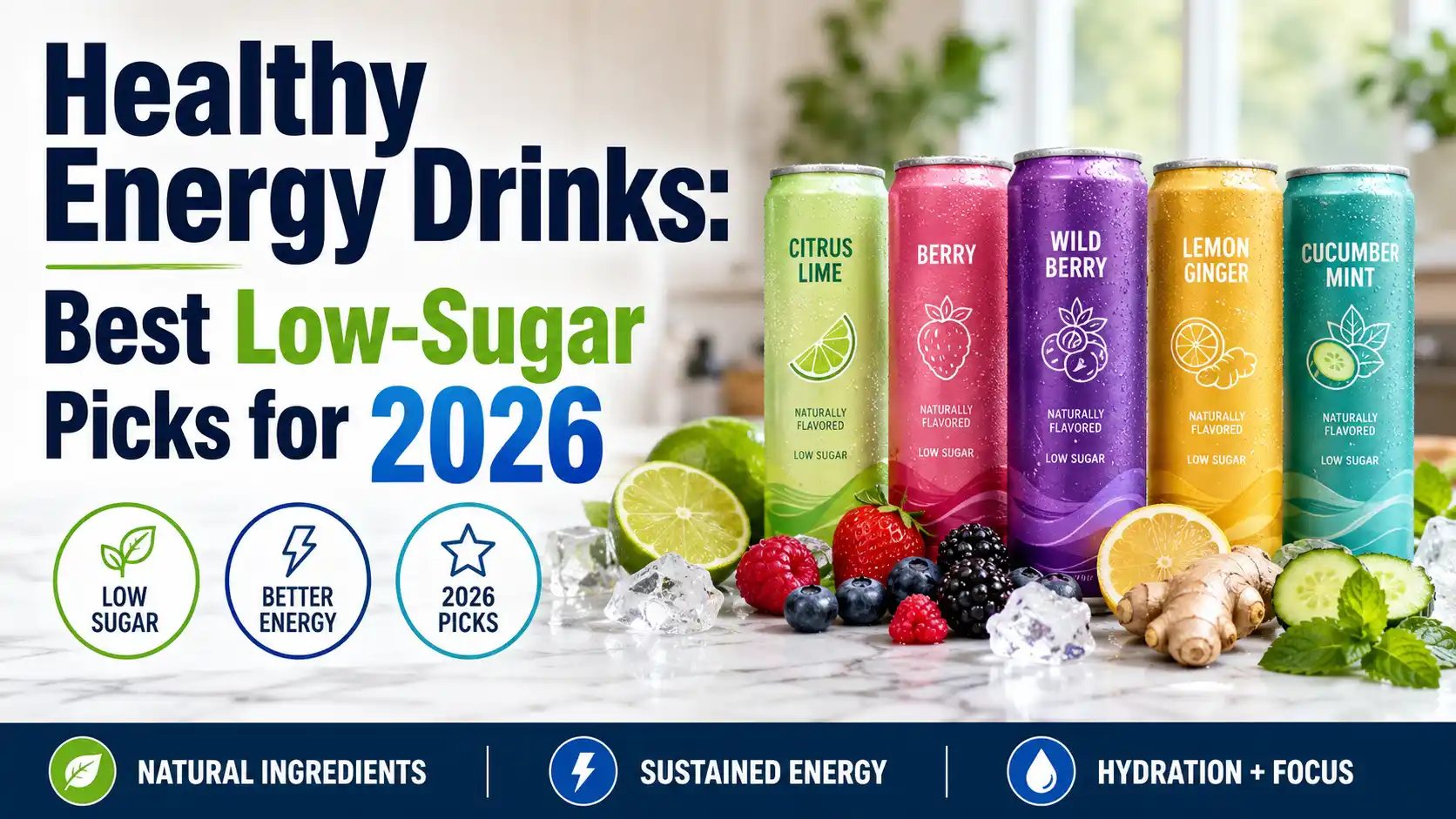
Healthy Energy Drinks: Best Low-Sugar Picks, Easy Recipes & Smart Tips for 2026
Healthy energy drinks can help you feel more alert, focused, and refreshed without relying on heavy sugar, oversized caffeine levels, or harsh stimulant blends. The best choices support steady energy instead of giving you a quick rush followed by a crash.
Many traditional energy drinks promise focus and stamina, but some use high added sugar, strong caffeine doses, and multiple stimulants that may leave people feeling shaky, restless, dehydrated, or tired later. A smarter energy drink works differently. It gives your body gentle support through moderate caffeine, hydration, protein, fiber, antioxidants, or simple ingredients that fit your day.
This guide explains what makes an energy drink healthier, how to compare caffeine and sugar levels, which ingredients matter most, and how to choose better options for mornings, work, studying, workouts, hot weather, travel, and caffeine-sensitive routines.
Quick Answer: What Are the Healthiest Energy Drinks?
The healthiest energy drinks are usually low in added sugar, moderate in caffeine, and made with simple ingredients. Good options include green tea, matcha, cold brew coffee, protein smoothies, coconut water drinks, sparkling tea, and homemade fruit-based drinks that support energy without a heavy sugar crash.
What Is a Healthy Energy Drink?
A healthy energy drink is a drink that supports alertness, hydration, and daily energy without depending on excessive sugar, very high caffeine, or too many stimulants.
A healthier energy drink usually contains:
- Moderate caffeine instead of extreme stimulant levels
- Lower added sugar or naturally balanced sweetness
- Hydration-supporting ingredients
- Simple ingredient lists
- Nutrients that support steady energy
- Protein, fiber, electrolytes, or antioxidants when useful
Popular healthy energy drink ingredients include:
- Green tea
- Matcha
- Coffee
- Cold brew
- Coconut water
- Fruit
- Greek yogurt
- Oats
- Chia seeds
- Protein
- Electrolytes
- Sparkling water
- Lemon, lime, mint, or ginger
Quick Definition
A healthy energy drink supports alertness and hydration with moderate caffeine, lower added sugar, simple ingredients, and nutrients such as protein, fiber, electrolytes, or antioxidants.
Best Healthy Energy Drinks by Goal
Different situations need different types of energy. A strong cold brew may work well in the morning, while a coconut water drink may be better after a workout or during hot weather.
| Goal | Best Drink Option | Why It Works |
|---|---|---|
| Morning focus | Cold brew with oat milk | Stronger caffeine with smoother flavor |
| Calm concentration | Matcha latte | Moderate caffeine plus L-theanine |
| Work or studying | Green tea or matcha | Supports lighter, steadier focus |
| Post-workout recovery | Protein smoothie | Adds protein, carbs, and hydration |
| Summer hydration | Coconut citrus drink | Light, refreshing, and electrolyte-friendly |
| Afternoon energy | Iced green tea | Gentler caffeine than many canned drinks |
| Low-sugar routine | Sparkling tea drink | Crisp flavor without heavy sweetness |
| Busy breakfast | Oat protein smoothie | More filling and portable |
| Caffeine-sensitive routine | Herbal iced tea or smoothie | Energy support without caffeine overload |
| Family-friendly option | Fruit smoothie | Naturally sweet and easy to adjust |
The best choice depends on your caffeine tolerance, sugar preference, activity level, and time of day.
How to Choose a Healthy Energy Drink
Choosing a healthy energy drink is not only about finding the lowest calorie label. A better drink should match your body, your schedule, and your reason for drinking it.
Check the Caffeine Amount
Caffeine can improve alertness, but more is not always better. The FDA says 400 mg of caffeine per day is an amount not generally associated with negative effects for most adults, but sensitivity varies widely from person to person.
A smart caffeine range for many daily drinks is:
| Drink Type | Typical Caffeine Range |
|---|---|
| Coffee | 80–150 mg |
| Matcha | 40–70 mg |
| Green tea | 25–50 mg |
| Black tea | 40–70 mg |
| Herbal tea | 0 mg |
| Some canned energy drinks | 80–300 mg or more |
If you feel jittery, anxious, restless, or have trouble sleeping after energy drinks, your caffeine intake may be too high for your body.
Look at Added Sugar
Added sugar can make an energy drink taste good, but large amounts may lead to a quick rise and fall in energy. The American Heart Association recommends limiting added sugar to about 6 teaspoons per day for most women and 9 teaspoons per day for most men.
When reading a label, check:
- Total sugar
- Added sugar
- Serving size
- Syrups or sweeteners
- Fruit juice concentrates
- Whether the can contains more than one serving
Watch for Multiple Stimulants
Some drinks combine caffeine with guarana, taurine, yerba mate, green coffee extract, or other stimulant blends. These ingredients are not automatically bad, but they can make the total stimulant load harder to judge. NCCIH notes that guarana contains caffeine, so it can increase the total caffeine amount in a drink.
Choose Hydration Support
Energy feels better when your body is hydrated. Drinks with coconut water, electrolytes, water, citrus, or light fruit can be useful during hot weather, travel, and exercise.
Consider Protein and Fiber
Protein and fiber can make energy feel steadier. Smoothies with Greek yogurt, protein powder, oats, chia seeds, banana, or berries may feel more filling than a thin sugary drink.
Read the Serving Size
Some cans look like one serving but may contain more. Always check whether the caffeine and sugar numbers apply to the full container or only part of it.
Why Some Energy Drinks Cause Crashes
Many traditional energy drinks combine high caffeine with large amounts of added sugar. This may temporarily increase alertness, but it can also leave some people tired, shaky, thirsty, or unfocused later.
Large caffeine loads may increase:
- Jitters
- Rapid heartbeat
- Headaches
- Restlessness
- Sleep disruption
- Dehydration feelings
- Anxiety-like symptoms in sensitive people
The CDC lists possible concerns with energy drinks, including dehydration, heart complications, anxiety, and insomnia, especially in young people or with heavy use.
Drinks that include moderate caffeine, protein, fiber, or electrolytes often feel steadier because they do not rely only on fast sugar and strong stimulation.
What Ingredients Make Energy Drinks Healthier?
The healthiest energy drinks focus on balance instead of intensity. They support energy while still being practical for daily life.
Key Ingredients That Support Better Energy
| Ingredient | Why It Matters |
|---|---|
| Matcha | Provides caffeine plus L-theanine for smoother focus |
| Green tea | Offers lighter caffeine and antioxidants |
| Coffee | Delivers stronger morning alertness |
| Cold brew | Smooth coffee option that works well iced |
| Coconut water | Contains electrolytes like potassium |
| Oats | Add fiber and improve fullness |
| Greek yogurt | Adds protein and creamier texture |
| Berries | Provide flavor, color, and antioxidants |
| Chia seeds | Add texture, fiber, and thickness |
| Protein powder | Supports fullness after workouts |
| Lemon or lime | Adds brightness without heavy sugar |
| Mint or ginger | Adds flavor without syrup |
Ingredients Many People Limit
| Ingredient | Why Some People Limit It |
|---|---|
| Excess added sugar | May contribute to energy crashes |
| Multiple stimulants | Can feel overwhelming or hard to track |
| Heavy syrups | Increase sweetness quickly |
| Excess caffeine | May increase jitters or sleep issues |
| Artificial flavor overload | Can create a harsh aftertaste |
| Large serving sizes | May hide more caffeine or sugar than expected |
A healthier drink does not need to be perfect. It just needs to be balanced, useful, and suitable for your body.
Low Sugar vs Zero Sugar Energy Drinks
Low sugar and zero sugar drinks are not always the same.
A low-sugar energy drink contains less sugar than a traditional energy drink but may still include some fruit, milk, honey, coconut water, or light sweetener.
A zero-sugar energy drink usually has no sugar and may use artificial sweeteners, sugar alcohols, stevia, monk fruit, or other sweetening systems.
A no added sugar drink may still contain natural sugar from fruit, milk, or coconut water, but it does not include added syrups or refined sugar.
Which One Is Better?
It depends on your goal.
| Goal | Better Choice |
|---|---|
| Reducing added sugar | Low sugar or no added sugar |
| Avoiding blood sugar spikes | Lower sugar with protein or fiber |
| Cutting calories | Zero sugar may help |
| Cleaner taste | Lightly sweetened tea or fruit drinks |
| Avoiding artificial aftertaste | Homemade low-sugar drinks |
| Workout recovery | Smoothie or coconut water blend |
Low sugar does not mean boring. Lemon, lime, mint, berries, cucumber, ginger, tea, cinnamon, and sparkling water can make drinks taste bright without heavy sweetness.
Matcha vs Coffee: Which Is Better for Energy?
Both matcha and coffee can be healthy energy drinks when used in a balanced way. The better choice depends on how your body reacts to caffeine.
Matcha Benefits
Best for: smoother, steadier focus
Many people like matcha because it contains caffeine plus L-theanine. This combination may feel calmer than strong coffee for some people.
Matcha works well in:
- Matcha lattes
- Iced matcha drinks
- Matcha smoothies
- Citrus matcha spritzers
- Protein matcha shakes
Potential drawbacks:
- Earthy flavor may not appeal to everyone
- Usually more expensive than standard coffee
- Can still cause jitters if you drink too much
Coffee Benefits
Best for: stronger morning alertness
Coffee remains popular because it is simple, bold, and easy to customize.
Coffee works well in:
- Hot coffee
- Iced coffee
- Cold brew
- Coffee smoothies
- Protein coffee shakes
Potential drawbacks:
- May feel too strong for caffeine-sensitive people
- Can affect sleep if used late
- Sweet coffee drinks can become high in sugar quickly
Caffeine Comparison Table
| Drink | Typical Caffeine Range |
|---|---|
| Coffee | 80–150 mg |
| Matcha | 40–70 mg |
| Green tea | 25–50 mg |
| Black tea | 40–70 mg |
| Herbal tea | 0 mg |
Matcha is often better for calm focus. Coffee is often better for stronger morning energy.
Best Healthy Morning Energy Drinks
Morning drinks should improve alertness without feeling overly heavy or sugary.
Cold Brew With Oat Milk
Cold brew is smooth, refreshing, and easy to prepare ahead. Oat milk adds creaminess without needing heavy syrup.
Best for:
- Morning work routines
- People who like iced coffee
- Stronger caffeine needs
- Low-sugar coffee drinkers
Simple idea:
- Cold brew
- Oat milk
- Cinnamon
- Ice
Banana Protein Smoothie
A banana protein smoothie can work as both breakfast and an energy drink.
Best for:
- Busy mornings
- Pre-work routines
- People who skip breakfast
- Post-gym mornings
Simple idea:
- Banana
- Milk of choice
- Protein powder
- Oats
- Ice
Matcha Latte
Matcha provides moderate caffeine and works especially well for people who feel overstimulated by coffee.
Best for:
- Calm focus
- Work-from-home mornings
- Studying
- Lower-caffeine routines
Simple idea:
- Matcha powder
- Warm water
- Milk of choice
- Ice or steamed milk
- Light sweetener if needed
Green Tea With Lemon
Green tea with lemon is light, simple, and refreshing.
Best for:
- Gentle morning energy
- Afternoon focus
- Low-sugar routines
- People who dislike coffee
Berry Oat Smoothie
Fiber-rich smoothies may provide steadier fullness than sugary breakfast drinks.
Simple idea:
- Berries
- Oats
- Greek yogurt
- Milk of choice
- Chia seeds
- Ice
Healthy Energy Drinks for Work and Studying
Energy drinks for work or studying should support focus without making you feel shaky or distracted.
Best options include:
- Matcha latte
- Iced green tea
- Cold brew with milk
- Black tea with lemon
- Protein coffee smoothie
- Sparkling tea drink
- Berry yogurt smoothie
- Coconut water with lime
Best for Long Work Sessions
Choose matcha, green tea, or black tea. These drinks usually feel lighter than heavily sweetened canned drinks and are easier to sip slowly.
Best for Studying
Choose matcha, green tea, or a light smoothie. These options can support focus while avoiding the heavy crash that often comes from high-sugar drinks.
Best for Afternoon Energy
Choose a lower-caffeine drink such as green tea, sparkling tea, or coconut water. Strong coffee late in the day may affect sleep for some people.
Best Drinks Before and After Workouts
Workout drinks should support hydration, comfort, and energy balance.
Before Workouts
Best options:
- Matcha
- Green tea
- Cold brew in small amounts
- Light fruit smoothie
- Sparkling citrus drink
- Coconut water with lime
Why they work:
They provide moderate energy without feeling too heavy before movement.
After Workouts
Best options:
- Protein smoothie
- Banana smoothie
- Coconut water drink
- Coffee protein shake
- Greek yogurt smoothie
- Berry oat smoothie
Why they work:
They combine hydration with protein, carbohydrates, or electrolytes for better recovery support.
What to Avoid Before Exercise
Before a workout, many people prefer to avoid:
- Very high caffeine
- Heavy cream-based drinks
- Large sugary cans
- Too much carbonation
- Drinks with many stimulants
- Drinks that upset the stomach
The best workout energy drink should make you feel ready, not uncomfortable.
Homemade Healthy Energy Drinks You Can Make in Minutes
Homemade energy drinks give you better control over caffeine, sweetness, ingredients, and serving size. They are also usually cheaper than heavily branded canned drinks.
Lemon Green Tea Cooler
Ingredients
- Brewed green tea
- Lemon juice
- Ice
- Small amount of honey if needed
- Mint leaves
Why it works
Green tea provides lighter caffeine while lemon adds brightness. This is a simple low-sugar drink for mornings or afternoons.
Banana Coffee Smoothie
Ingredients
- Banana
- Cold brew coffee
- Oats
- Milk of choice
- Ice
- Optional protein powder
Why it works
This drink combines caffeine, fiber, and natural sweetness for steadier morning energy.
Coconut Pineapple Refresher
Ingredients
- Coconut water
- Pineapple
- Lime juice
- Ice
- Mint
Why it works
This drink provides light hydration and tropical flavor without heavy syrups.
Berry Matcha Smoothie
Ingredients
- Matcha powder
- Frozen berries
- Greek yogurt
- Milk of choice
- Chia seeds
- Ice
Why it works
Matcha adds moderate caffeine, while berries, yogurt, and chia seeds add flavor, protein, and texture.
Best Tea-Based Energy Drinks
Tea-based drinks are some of the easiest healthy energy drinks to make at home. They can be served hot, iced, sparkling, creamy, or fruit-forward.
Green Tea
Best for:
- Light caffeine
- Afternoon focus
- Lower-sugar drinks
- Citrus flavors
Drink ideas:
- Green tea with lemon
- Mango green tea cooler
- Mint green tea over ice
- Sparkling green tea with lime
Black Tea
Best for:
- Stronger tea caffeine
- Morning energy
- Iced tea recipes
- Chai-style drinks
Drink ideas:
- Iced black tea with lemon
- Peach black tea
- Light milk tea
- Cinnamon black tea
Matcha
Best for:
- Smoother focus
- Creamy drinks
- Smoothies
- Workout-friendly caffeine
Drink ideas:
- Iced matcha latte
- Matcha mango smoothie
- Citrus matcha spritzer
- Vanilla matcha protein shake
Hibiscus Tea
Best for:
- Caffeine-free fruit drinks
- Tart iced beverages
- Summer refreshers
- Bright color without artificial dye
Drink ideas:
- Hibiscus berry cooler
- Hibiscus lime iced tea
- Sparkling hibiscus drink
- Hibiscus orange refresher
Chai Tea
Best for:
- Cozy drinks
- Warm spices
- Breakfast beverages
- Cold-weather energy
Drink ideas:
- Light chai latte
- Iced chai with oat milk
- Vanilla chai smoothie
- Cinnamon chai tea
Yerba Mate
Yerba mate is a naturally caffeinated tea-like drink. It can work for people who want a different caffeine source than coffee or matcha.
Best for:
- Herbal caffeine
- Iced drinks
- Citrus flavors
- People who like bold taste
Healthy Smoothies for Energy and Fullness
Smoothies work especially well when you need both energy and satiety. A balanced smoothie can include fruit, protein, fiber, and healthy fats.
Why Smoothies Help
Balanced smoothies may combine:
- Protein
- Fiber
- Fruit
- Healthy fats
- Moderate caffeine
- Electrolytes
- Natural sweetness
This combination may feel steadier than a high-sugar canned drink because it offers more than quick sweetness.
Best Smoothie Ingredients
| Ingredient | Main Benefit |
|---|---|
| Banana | Natural sweetness and creamy texture |
| Oats | Fiber and fullness |
| Greek yogurt | Protein and thickness |
| Berries | Flavor and antioxidants |
| Peanut butter | Healthy fats and richness |
| Matcha | Moderate caffeine |
| Spinach | Mild nutrient boost |
| Chia seeds | Fiber and texture |
| Protein powder | Post-workout fullness |
| Coconut water | Hydration support |
Popular Smoothie Combinations
- Strawberry banana protein smoothie
- Blueberry oat smoothie
- Chocolate coffee smoothie
- Matcha mango smoothie
- Coconut berry smoothie
- Banana peanut butter coffee smoothie
- Pineapple spinach coconut smoothie
- Vanilla berry Greek yogurt smoothie
How to Make Smoothies Less Sugary
To keep smoothies balanced:
- Use whole fruit instead of fruit juice
- Add Greek yogurt or protein powder
- Add oats or chia seeds for fiber
- Use unsweetened milk
- Skip flavored syrups
- Add cinnamon, vanilla, or citrus for flavor
- Use half a banana instead of several sweet fruits
Coconut Water Drinks for Hydration
Coconut water contains naturally occurring electrolytes such as potassium, making it popular after workouts, during travel, and in hot weather.
It does not replace medical hydration products when someone is sick, overheated, or dehydrated, but many people prefer it over syrupy sports drinks because it feels lighter.
Best Coconut Water Combinations
- Watermelon coconut cooler
- Lime coconut spritzer
- Pineapple coconut refresher
- Strawberry coconut smoothie
- Mango coconut blend
- Cucumber coconut mint drink
- Coconut green tea cooler
Best Uses
- Post-workout hydration
- Outdoor activities
- Summer afternoons
- Travel days
- Poolside gatherings
- Light recovery drinks
- Low-sugar refreshers
Sparkling Energy Drinks With Crisp Flavor
Sparkling drinks feel lighter than thick smoothies or creamy shakes. Carbonation also increases flavor intensity, which can make a drink taste more exciting without adding lots of sugar.
Better Sparkling Drink Ideas
- Blackberry lime fizz
- Sparkling citrus tea
- Grapefruit mint spritzer
- Peach sparkling tea
- Pineapple sparkling cooler
- Strawberry basil sparkling water
- Sparkling green tea with lemon
- Cucumber mint sparkling drink
How to Keep Sparkling Drinks Balanced
- Use fresh fruit instead of syrup-heavy mixes
- Add sparkling water right before serving
- Avoid combining multiple sweeteners
- Use citrus for brightness
- Add herbs like mint or basil
- Keep caffeine moderate if drinking later in the day
Sparkling drinks are especially useful for people who want the feel of a canned drink without the heavy sweetness.
Best Store-Bought Healthy Energy Drinks
Some packaged energy drinks are better balanced than traditional high-sugar options. The best store-bought choices usually show caffeine clearly, keep added sugar lower, and use simple flavor systems.
Better Store-Bought Drink Types
| Brand Type | Main Benefit |
|---|---|
| Matcha-based drinks | Smoother caffeine |
| Yerba mate drinks | Herbal caffeine source |
| Low-sugar sparkling drinks | Lighter flavor profile |
| Tea-based canned drinks | Moderate caffeine |
| Electrolyte energy drinks | Better hydration support |
| Protein coffee drinks | More filling than plain caffeine |
| Sparkling water with caffeine | Crisp and low-calorie |
| Coconut water blends | Light hydration support |
What to Look For on Labels
Check:
- Caffeine amount
- Added sugar
- Serving size
- Calories
- Sweetener type
- Electrolytes
- Protein
- Fiber
- Stimulant blend
- Artificial flavor level
What to Avoid
Many people prefer to limit:
- Very high caffeine per can
- Large amounts of added sugar
- Multiple stimulant blends
- Unclear caffeine labeling
- Extra-large serving sizes
- Heavy syrups
- Drinks that make health claims without clear nutrition value
A store-bought drink can be convenient, but the label matters more than the marketing.
Healthy Energy Drinks Without Caffeine
Not every energy drink needs caffeine. If you are caffeine-sensitive, trying to sleep better, pregnant, managing anxiety, or avoiding stimulants, caffeine-free options may be a better fit.
Caffeine-free healthy energy drinks include:
- Coconut water with lime
- Fruit and yogurt smoothies
- Protein smoothies
- Herbal iced tea
- Hibiscus berry tea
- Electrolyte water
- Sparkling fruit water
- Cucumber mint water
- Banana oat smoothie
- Watermelon coconut cooler
Best Caffeine-Free Option for Morning
A banana oat protein smoothie can help because it provides carbohydrates, protein, and fiber.
Best Caffeine-Free Option for Hot Weather
Coconut water with lime, cucumber, or watermelon is light and refreshing.
Best Caffeine-Free Option for Kids
Fruit smoothies, herbal iced tea, or water with fruit are better choices than caffeinated energy drinks. The CDC specifically warns about energy drink concerns for young people.
Healthy Alternatives to Energy Drinks
Sometimes the best energy drink is not an energy drink at all. If you feel tired every day, your body may need better hydration, food, sleep, or routine support.
Healthy alternatives include:
- Water with electrolytes
- Green tea
- Coffee in moderate amounts
- Protein smoothies
- Balanced breakfast
- Fruit with nut butter
- Greek yogurt with berries
- Oatmeal with protein
- Short walks
- Better sleep habits
- Regular meal timing
Energy drinks can help occasionally, but they should not replace sleep, meals, hydration, or medical care.
Common Mistakes When Choosing Energy Drinks
Choosing Maximum Caffeine
More caffeine does not always mean better energy. Too much caffeine can lead to jitters, restlessness, fast heartbeat, or poor sleep.
Ignoring Sugar Levels
Some energy drinks contain sugar amounts similar to soda or dessert drinks. Check added sugar before choosing.
Drinking Energy Drinks Without Food
Caffeine on an empty stomach can feel harsh for some people. Pairing caffeine with protein, fiber, or a small meal may feel steadier.
Using Energy Drinks Late at Night
Late caffeine can reduce sleep quality and make you feel more tired the next day. If sleep is a concern, switch to caffeine-free drinks later in the day.
Ignoring Serving Size
A large can may contain more caffeine and sugar than expected. Always check whether the label refers to one serving or the full container.
Assuming “Natural” Always Means Healthy
Natural ingredients can still be high in sugar or caffeine. A drink with natural caffeine, fruit juice, or sweeteners still needs balance.
Mixing Energy Drinks With Other Stimulants
Avoid stacking energy drinks with pre-workout powders, extra coffee, caffeine pills, or multiple stimulant products unless guided by a professional.
Energy Drink Label Checklist
Use this quick checklist before buying a canned or bottled energy drink.
| Label Item | What to Check |
|---|---|
| Caffeine | How many mg per serving and per container? |
| Added sugar | Is it low, moderate, or high? |
| Serving size | Is the full can one serving? |
| Sweetener type | Sugar, stevia, monk fruit, sucralose, or sugar alcohols? |
| Stimulant blend | Does it include guarana, yerba mate, or green coffee extract? |
| Electrolytes | Does it include potassium, sodium, or magnesium? |
| Protein | Does it offer fullness or recovery support? |
| Calories | Does it fit your goal? |
| Artificial flavors | Are they minimal or overwhelming? |
| Warning labels | Are there age, pregnancy, or caffeine warnings? |
A healthy energy drink should be easy to understand. If the label feels confusing, choose something simpler.
Best Healthy Energy Drink Ideas by Situation
| Situation | Smart Choice |
|---|---|
| Early morning | Cold brew with oat milk |
| Calm work focus | Matcha latte |
| Studying | Green tea with lemon |
| Pre-workout | Matcha or light smoothie |
| Post-workout | Banana protein smoothie |
| Hot weather | Coconut lime drink |
| Travel | Sparkling tea or coconut water |
| Low sugar | Unsweetened tea with citrus |
| No caffeine | Herbal iced tea or fruit smoothie |
| Sweet craving | Berry yogurt smoothie |
Key Takeaways
- Healthy energy drinks focus on balance instead of extreme stimulation.
- Matcha and green tea often feel steadier than heavily sweetened drinks.
- Smoothies can combine hydration, protein, fiber, and sustained energy.
- Coconut water provides lighter electrolyte support.
- Low-sugar drinks usually taste cleaner and less overwhelming.
- Homemade drinks allow better ingredient control.
- Moderate caffeine matters more than chasing maximum stimulation.
- Label reading helps you avoid hidden sugar, oversized caffeine, and confusing stimulant blends.
- Caffeine-free options can still support energy through hydration, protein, and balanced ingredients.
Frequently Asked Questions
What is the healthiest energy drink?
The healthiest energy drink depends on your caffeine tolerance, sugar preference, and daily routine. Green tea, matcha, protein smoothies, coconut water blends, cold brew, and low-sugar tea drinks are among the best healthy energy drink options.
Are healthy energy drinks actually healthy?
Some can be healthy when they use moderate caffeine, low added sugar, simple ingredients, and hydration support. A drink is less healthy when it relies on high sugar, extreme caffeine, or several stimulants at once.
What is the best healthy energy drink for daily use?
For daily use, green tea, matcha, black tea, lightly sweetened coffee, or a simple smoothie are often better choices than strong canned energy drinks. The best daily option should match your caffeine tolerance and sugar goals.
Are low-sugar energy drinks better?
Low-sugar energy drinks are often better than high-sugar options because they may reduce the chance of a quick sugar crash. However, the best choice also depends on caffeine level, sweetener type, serving size, and ingredients.
Is matcha healthier than coffee for energy?
Matcha may feel smoother because it contains caffeine plus L-theanine. Coffee usually provides stronger stimulation. Neither is automatically better for everyone. Matcha is often better for calm focus, while coffee is better for stronger morning alertness.
Which drinks help avoid energy crashes?
Drinks with moderate caffeine, protein, fiber, or electrolytes may help reduce rapid crashes. Good examples include matcha, green tea, protein smoothies, oat smoothies, coconut water drinks, and low-sugar coffee drinks.
What can I drink for energy without caffeine?
Caffeine-free options include coconut water, fruit smoothies, protein smoothies, herbal iced tea, electrolyte water, sparkling fruit water, and banana oat smoothies. These drinks support energy through hydration, nutrients, and balanced ingredients.
Are coconut water drinks good after workouts?
Coconut water contains electrolytes such as potassium and works well for light hydration after exercise or outdoor activities. For harder workouts, pairing it with protein or a balanced meal may be more useful.
What ingredients should I avoid in energy drinks?
Many people limit excessive caffeine, large added sugar amounts, heavy syrups, multiple stimulants, unclear caffeine blends, and oversized serving sizes. Caffeine-sensitive people should be especially careful.
Can I drink healthy energy drinks at night?
Caffeine-containing energy drinks are usually not ideal at night because they may affect sleep. Choose caffeine-free options such as herbal iced tea, coconut water, or a light smoothie later in the day.
Conclusion
Healthy energy drinks should support focus, hydration, and steady energy without relying on extreme caffeine or oversized sugar levels. The best options are simple, balanced, and matched to your routine.
Coffee, matcha, green tea, smoothies, sparkling tea, coconut water, and homemade drinks can all work well depending on your goal. Instead of chasing the strongest stimulation possible, choose healthy energy drinks with moderate caffeine, lower added sugar, clear labels, and ingredients your body tolerates well.
When your drink supports your energy without making you crash, it becomes easier to stay focused, hydrated, and consistent throughout the day.