Finding low calorie drinks gets confusing fast. A bottle can say “zero sugar” yet still contain calories. A smoothie can sound nutritious but deliver more calories than lunch. Even coffee can move from almost calorie-free to dessert territory once syrups, cream, cold foam, and toppings enter the cup.
The good news is that you don’t have to live on plain water. Unsweetened tea, black coffee, sparkling water, fruit-infused drinks, lighter mocktails, carefully built smoothies, and some store-bought beverages can all fit a lower-calorie drinking routine.
This guide focuses on drinks that offer a useful balance of flavor, calories, serving size, sugar, caffeine, and practicality. Instead of giving you hundreds of near-identical drink ideas, it shows which choices are actually worth making and how to keep your favorite drinks lighter.
Quick Answer
The best low calorie drinks are water, unsweetened sparkling water, unsweetened tea, black coffee, Americanos, fruit-infused water, zero-sugar soda, light fruit spritzers, and simple mocktails made mainly with seltzer.
For packaged products, always check the label. Zero sugar, sugar-free, low calorie, and no added sugar do not mean exactly the same thing. FDA rules distinguish these claims.
Key Takeaways
- Water, plain seltzer, and unsweetened tea are easiest for near-zero calories.
- Black coffee stays light until milk, syrup, cream, or foam is added.
- Fruit works best as an infusion or small splash, not unlimited juice.
- A drink under 100 calories can be a practical lighter choice.
- Store-bought products should be compared by serving size and full-container calories.
- Zero sugar does not automatically mean zero calories.
- Energy drinks require attention to caffeine, not just calories.
- Alcohol contributes calories even when mixed with zero-calorie soda.
What Counts as a Low Calorie Drink?
There are two useful ways to think about “low calorie.” The first is the technical definition used on packaged-food labels. The second is the practical meaning people use when choosing beverages.
Under FDA rules, foods with a reference amount above 30 grams or two tablespoons generally need to contain 40 calories or fewer per reference amount to use a “low calorie” claim.
For this guide, drinks are grouped into practical tiers:
- 0 calories: water, many seltzers, some diet drinks
- 1–25 calories: tea, coffee, light fruit infusions, some electrolyte drinks
- 26–50 calories: small juice spritzers, coconut-water mixes, milk-lightened drinks
- 51–100 calories: more substantial mocktails, cocoa, small dairy drinks, lighter alcoholic options
- 100+ calories: included selectively when a drink provides protein or another meaningful benefit
That distinction matters because low calorie does not automatically mean nutritionally superior. A glass of milk can contain more calories than diet soda while also providing protein and other nutrients. Choose a drink according to what you need from it, not one number alone.
Best Low Calorie Drinks at a Glance
The table below gives a fast comparison of useful everyday choices. Homemade calorie figures are approximate estimates because fruit size, milk, juice, and serving size vary. USDA FoodData Central is a primary U.S. resource for food-composition data, while branded values should be checked against current manufacturer labels.
| Drink | Typical Serving | Approx. Calories | Added Sugar | Caffeine | Best For |
|---|---|---|---|---|---|
| Plain water | 12 oz | 0 | 0 g | 0 mg | Everyday hydration |
| Plain sparkling water | 12 oz | 0 | 0 g | 0 mg | Soda replacement |
| Club soda | 12 oz | 0 | 0 g | 0 mg | Mocktails |
| LaCroix | 12 oz | 0 | 0 g | 0 mg | Flavored fizz |
| Zevia Soda | 12 oz | 0 | 0 g | Varies | Sweet soda alternative |
| Unsweetened herbal tea | 8–12 oz | 0–5 | 0 g | Usually 0 mg | Evenings |
| Unsweetened green tea | 8–12 oz | 0–5 | 0 g | Varies | Light caffeine |
| Unsweetened black tea | 8–12 oz | 0–5 | 0 g | Varies | Meals |
| Black coffee | 8–12 oz | About 2–5 | 0 g | Varies | Morning |
| Americano | 8–16 oz | About 5–15 | 0 g | Varies | Café coffee |
| Spindrift Lemon | 12 oz | 3 | 0 g | 0 mg | Real-fruit sparkling water |
| Lemon water | 12 oz | 0–10 | 0 g | 0 mg | Everyday flavor |
| Cucumber-mint water | 12 oz | 0–10 | 0 g | 0 mg | Summer |
| Fruit-infused water | 12 oz | 5–15 | 0 g | 0 mg | Water alternative |
| Nuun Sport | 1 tablet | 15 | 1 g | Usually none | Active days |
| Light cranberry seltzer | 12 oz | 15–30 | Varies | 0 mg | Tart fruit flavor |
| Coffee with milk splash | 12 oz | 10–30 | Usually 0 g added | Varies | Creamier coffee |
| Coconut-water spritzer | 12 oz | 20–40 | Usually 0 g added | 0 mg | Light tropical drink |
| Light Arnold Palmer | 12 oz | 20–40 | Varies | Varies | Summer |
| Berry-basil mocktail | 12 oz | 20–40 | 0 g if unsweetened | 0 mg | Parties |
| Light hot cocoa | 8 oz | 60–100 | Varies | Small amount | Winter |
| Wine spritzer | 5–8 oz | About 60–100 | Varies | 0 mg | Lighter adult drink |
| Vodka soda | Standard pour | About 100 | 0 g | 0 mg | Simple cocktail |
| Tequila soda | Standard pour | About 100 | 0 g | 0 mg | Simple cocktail |
LaCroix currently lists zero calories and zero sweeteners, while Spindrift Lemon lists 3 calories per 12-ounce can and 0 grams added sugar. Zevia’s current soda range is marketed as zero sugar and zero calories.
Best Zero-Calorie Drinks
If your goal is to minimize beverage calories, start with drinks that naturally need no sugar. These choices also make useful bases for homemade beverages.
The simplest options avoid sweetened mixers altogether.
Plain Water
Calories: 0
Water remains the easiest everyday option. Serve it cold, room temperature, or over ice depending on what makes you drink it consistently.
Try adding:
- Lemon peel
- Lime slices
- Cucumber
- Mint
- Basil
- Fresh ginger
Plain Sparkling Water
Calories: typically 0
Seltzer gives you the carbonation of soda without its sugar. CDC also lists sparkling water and seltzer among lower-calorie drink choices.
Club Soda
Calories: typically 0
Club soda is especially useful for mocktails and lighter cocktails. Check sodium if that matters to you, because mineral content differs among brands.
Unsweetened Herbal Tea
Calories: typically 0–5
Peppermint, chamomile-style blends, hibiscus, ginger, cinnamon, and rooibos provide strong flavor without syrup.
Many herbal teas are naturally caffeine-free, although blends can differ.
Unsweetened Iced Tea
Calories: typically 0–5
Black or green tea becomes much heavier when sweet tea levels of sugar are added. Keep the tea unsweetened and add lemon, peach slices, mint, or berries for aroma.
Zero-Calorie Soda
Diet and zero-sugar sodas can satisfy a sweet soda craving without the calories of regular soda.
They are different from unsweetened sparkling water because they usually contain sweeteners. FDA notes that high-intensity sweeteners can provide sweetness with few or no calories.
Best Low Calorie Drinks Under 25 Calories
The under-25-calorie range is where drinks become much more interesting. You can add real fruit, milk, spices, or electrolyte ingredients without turning the beverage into a snack.
Keep measurements small and let water, tea, coffee, or seltzer provide most of the volume.
Lemon-Mint Water
Estimated calories: 5–10
Add a lemon wedge and several torn mint leaves to a large glass of ice water. Squeeze only enough lemon to brighten the flavor.
Berry-Infused Water
Estimated calories: 5–15
Crush two or three raspberries or strawberries in the bottom of a glass. Add ice and cold water.
You get stronger fruit flavor without drinking a full serving of juice.
Hibiscus-Lime Iced Tea
Estimated calories: 0–10
Brew hibiscus tea strongly, chill it, then add lime. Hibiscus already tastes tart, so it works well without sweet syrup.
Ginger-Lemon Tea
Estimated calories: 5–15
Steep sliced ginger in hot water. Finish with fresh lemon.
This works hot in winter and chilled over ice during summer.
Cucumber-Lime Seltzer
Estimated calories: 5–10
Add cucumber ribbons and lime to plain sparkling water. It tastes much more like a composed drink than plain seltzer.
Light Coffee With Milk
Estimated calories: 10–25
Instead of building a milk-heavy latte, start with coffee and add a measured splash of milk.
That keeps coffee as the main ingredient.
Nuun Sport
The current Nuun Sport product page lists 15 calories, 1 gram total sugar, and 300 mg sodium per tablet. Formula and flavor information can change, so check the package you buy.
Best Low Calorie Drinks Under 50 Calories
Under 50 calories gives you room for more fruit, coconut water, milk, or lightly sweetened ingredients.
This tier works particularly well when plain water and tea feel too restrictive.
Cranberry-Lime Seltzer
Estimated calories: 15–30
Fill a glass mostly with seltzer, then add a small splash of cranberry juice and fresh lime.
The mistake is pouring half a glass of juice. Use juice as a flavor concentrate.
Pineapple-Mint Spritzer
Estimated calories: 20–40
Combine a small amount of pineapple juice with sparkling water, mint, and crushed ice.
Pineapple has enough flavor that you don’t need a large pour.
Coconut-Water Spritzer
Estimated calories: 20–40
Mix coconut water with an equal or larger amount of sparkling water.
Choose plain coconut water without added sweeteners when you want to keep the drink simpler.
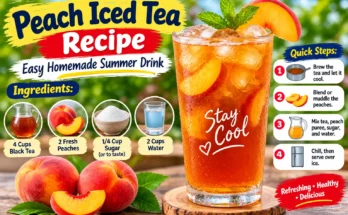
Peach Iced Tea
Estimated calories: 10–30
Chill unsweetened black tea with several peach slices. Let the fruit infuse rather than using peach syrup.
Light Arnold Palmer
Estimated calories: 20–40
Use mostly unsweetened iced tea with a smaller amount of lemonade.
A traditional half-and-half mix can become much sweeter depending on the lemonade.
Tomato Juice
A small serving of plain tomato juice can fit easily into a lower-calorie plan while providing a savory option.
Watch sodium in packaged versions if that matters to your diet.
Sparkling Fruit Water With Real Juice
Some sparkling waters use real juice rather than flavor essence. Calories vary by flavor, so check the label instead of assuming every sparkling water is zero calorie.
For example, Spindrift Lemon currently contains 3 calories per 12 ounces.
Best Low Calorie Drinks Under 100 Calories
The under-100 category gives you more room for milk, cocoa, smoothies, fruit, and richer flavor.
These drinks can be more satisfying than calorie-free beverages while still staying relatively light.
Light Hot Chocolate
Estimated calories: 60–100
Use:
- Unsweetened cocoa powder
- Low-fat or unsweetened milk
- Vanilla
- Cinnamon
- Sweetener to taste
Skip whipped cream, chocolate drizzle, and heavy syrup if calories are the priority.
Strawberry Yogurt Cooler
Estimated calories: 70–100
Blend a small handful of strawberries with a modest amount of plain nonfat Greek yogurt, water, and ice.
This produces more body than fruit water without requiring a giant smoothie.
Mini Berry Smoothie
Estimated calories: 80–100
Use berries, ice, water, and a small amount of yogurt or unsweetened milk.
The most common smoothie problem is portion creep. Nut butter, oats, juice, honey, protein powder, bananas, and yogurt can all be reasonable ingredients, but using all of them together changes the drink dramatically.
Light Chai
Estimated calories: 30–80
Brew black tea with cinnamon, ginger, cardamom, and cloves. Add a measured milk splash instead of using a sweet premade chai concentrate.
Apple-Cinnamon Tea
Estimated calories: 10–30
Steep apple slices and cinnamon with black or herbal tea.
It gives a cider-like aroma without requiring a mug full of apple juice.
Watermelon-Mint Cooler
Estimated calories: 40–80
Blend a modest amount of watermelon with ice, lime, and mint.
Keep the serving fruit-forward but not enormous.
Best Low Calorie Coffee and Tea Drinks
Coffee and tea are among the easiest drinks to keep light because the unsweetened base contributes very few calories.
The calorie jump usually happens after sweetened syrups, cream, milk, sauces, cold foam, whipped cream, and toppings are added.
Best Coffee Choices
Black coffee: The simplest option.
Americano: Espresso diluted with hot or cold water gives you strong café flavor without a milk-heavy base.
Cold brew: Order it plain, then add milk only if needed.
Iced coffee: Ask for it unsweetened and customize from there.
Espresso over ice: Strong, compact, and easy to soften with a little milk.
Smart Coffee Flavor Additions
Try:
- Cinnamon
- Nutmeg
- Unsweetened cocoa
- Vanilla extract at home
- Small milk splash
- Sugar-free syrup if you enjoy it
At cafés, start with fewer syrup pumps rather than automatically ordering the full standard recipe.
Best Tea Choices
Excellent low-calorie bases include:
- Green tea
- Black tea
- Hibiscus
- Peppermint
- Ginger tea
- Rooibos
- Earl Grey
- Jasmine tea
Tea works especially well because fruit slices and herbs can change the flavor without requiring much juice.
Best Low Calorie Sparkling and Fruit Drinks
Sparkling drinks work because carbonation creates texture without needing sugar.
For fruit drinks, the smartest approach is usually infuse, splash, or muddle rather than pouring an entire glass of juice.
Raspberry-Lime Sparkler
Muddle two raspberries with lime, then add ice and sparkling water.
Estimated calories: 5–15
Grapefruit-Rosemary Fizz
Use a small grapefruit squeeze, rosemary, and seltzer.
Estimated calories: 10–25
Peach-Basil Spritz
Add two peach slices and several basil leaves to chilled sparkling water.
Estimated calories: 10–20
Orange-Cucumber Water
Combine orange slices and cucumber in a pitcher. Chill before serving.
Estimated calories per glass: 5–15
Cherry-Lime Seltzer
Muddle one or two cherries with fresh lime before adding seltzer.
Estimated calories: 10–20
Sugar-Free Lemonade
Lemon juice, water, ice, and a low- or no-calorie sweetener can produce lemonade with a fraction of the calories of sugar-heavy recipes.
Estimated calories: 5–20, depending on lemon quantity and sweetener.
Low Calorie Smoothies and Protein Drinks
A smoothie should not be judged by calories alone. A 150-calorie protein smoothie may serve a completely different purpose from a zero-calorie seltzer.
The key is knowing whether your smoothie is a beverage, snack, or meal. Treating a large smoothie like flavored water is where calories become easy to underestimate.
Berry Protein Smoothie
Blend:
- ½ cup frozen berries
- Protein powder portion of your choice
- Water or unsweetened milk
- Ice
Calories depend heavily on the protein powder and milk. Check both labels rather than relying on a generic smoothie estimate.
Strawberry Greek Yogurt Smoothie
Blend strawberries with plain Greek yogurt, ice, and enough water or milk to reach your preferred texture.
For a lighter version, avoid adding juice, honey, nut butter, and granola all at once.
Coffee Protein Shake
Use cold coffee, ice, protein powder, and unsweetened milk.
This is an efficient way to combine coffee and protein without adding several flavored syrups.
Cucumber-Pineapple Smoothie
Let cucumber provide most of the volume and use pineapple mainly for sweetness.
This keeps the drink lighter than a smoothie built around several cups of tropical fruit.
How to Keep Smoothies Lighter
Use these rules:
- Choose one main fruit, not four.
- Use water or unsweetened milk instead of juice.
- Measure nut butter.
- Choose plain yogurt over heavily sweetened yogurt.
- Keep portions realistic.
- Decide whether protein powder is actually needed.
Low Calorie Electrolyte and Energy Drinks
Electrolyte drinks and energy drinks solve different problems. One focuses on fluid and minerals; the other usually focuses on caffeine.
A low calorie count does not tell you whether an electrolyte or energy drink is appropriate for your situation.
Low Calorie Electrolyte Options
Nuun Sport: The current product page lists 15 calories, 300 mg sodium, 150 mg potassium, and 1 gram total sugar per tablet.
Gatorade Zero powder: Gatorade currently states its powder stick contains 5 calories and zero sugar; a powder stick is mixed with 20 fluid ounces of water.
Propel Electrolyte Water: Gatorade’s current professional product information describes Propel Electrolyte Water as having 0 calories and carbohydrates per 12-ounce serving.
Calorie-free does not mean sodium-free. Compare electrolyte products according to activity and nutrition needs rather than simply choosing the highest sodium number.
Low Calorie Energy Options
Plain coffee and tea remain simple caffeinated choices.
Zevia’s current Grapefruit Energy drink lists zero calories, zero sugar, and 120 mg caffeine.
Some energy drinks contain substantially more caffeine. For example, CELSIUS says its standard CELSIUS and Vibe cans contain 200 mg caffeine, while CELSIUS Essentials contains 270 mg per can.
The FDA says 400 mg of caffeine per day is an amount not generally associated with negative effects for most adults, while individual sensitivity varies.
That makes caffeine per can worth checking even when a drink contains almost no calories.
Best Store-Bought Low Calorie Drinks in 2026
Packaged beverages can make lower-calorie drinking easier because the nutrition label removes much of the guesswork.
Still, formulas change. Check the product in your hand, especially when buying flavored, seasonal, or reformulated drinks.
LaCroix Sparkling Water
Calories: 0
LaCroix currently states its sparkling waters have zero calories, zero sweeteners, and zero sodium.
Best for: People who want flavored carbonation without sweetness.
Spindrift Lemon
Calories: 3 per 12 oz
Spindrift Lemon uses carbonated water and lemon juice and currently lists 0 grams added sugar.
Best for: People who prefer real fruit juice over zero-calorie flavor essence.
Zevia Soda
Calories: 0
Zevia’s current soda collection lists its products as zero sugar and zero calories.
Best for: People wanting a sweet soda-style drink without regular soda calories.
Nuun Sport
Calories: 15 per tablet on the current product page
It also supplies electrolytes, making it a different category from flavored water.
Gatorade Zero
Gatorade’s current information lists 5 calories per powder stick and zero sugar.
Best for: Active consumers specifically looking for an electrolyte drink without standard sports-drink sugar.
A 2026 Shopping Rule
Don’t buy a beverage solely because the front says:
- Natural
- Functional
- Wellness
- Zero sugar
- No added sugar
- Electrolytes
- Protein
Turn the package around.
Serving size, calories, added sugar, caffeine, sodium, and protein tell you far more about how the drink fits your needs.
Best Low Calorie Drinks at Starbucks, Coffee Shops, and Restaurants
Restaurant drinks become easier to manage when you start with the simplest base and add what you actually want.
A plain Americano, iced coffee, brewed coffee, or unsweetened tea usually gives you far more control than a fully flavored specialty drink.
Better Café Starting Points
Choose:
- Americano
- Cold brew
- Unsweetened iced coffee
- Brewed hot coffee
- Unsweetened iced tea
- Hot tea
- Espresso over ice
Then customize.
Easy Ways to Lower Café Drink Calories
Order a smaller size. This reduces milk, syrup, toppings, and often caffeine at the same time.
Reduce syrup pumps. Going from four pumps to one or two can preserve flavor without the full sweetness.
Skip whipped cream. It adds richness but may be unnecessary on an already creamy drink.
Be careful with cold foam. Protein foam, sweet cream foam, flavored foam, and plain milk are not nutritionally interchangeable.
Use a milk splash instead of a milk base when you simply want to soften coffee.
Check official nutrition information. Recipes change, especially with seasonal menu items.
Best Low Calorie Mocktails and Party Drinks
A mocktail can be alcohol-free and still contain a large amount of sugar. Lemonade, tonic water, syrups, juice, coconut cream, and sweet purées can add calories quickly.
For a lighter mocktail, build most of the drink from seltzer, tea, herbs, citrus, and ice.
Cucumber-Lime Fizz
Estimated calories: 5–15
Combine cucumber, lime, mint, and club soda.
Berry-Basil Sparkler
Estimated calories: 15–30
Muddle a few berries with basil. Add lime, ice, and sparkling water.
Hibiscus Party Punch
Estimated calories: 10–30 per glass
Combine chilled hibiscus tea, citrus wheels, berries, and sparkling water.
This works particularly well in a pitcher because the color comes from tea rather than syrup.
Grapefruit-Rosemary Spritz
Estimated calories: 15–30
Use a small grapefruit squeeze, rosemary, and plenty of bubbles.
Ginger-Lime Mule Mocktail
Calories depend heavily on the ginger beer.
For a lighter version, use sugar-free ginger beer or combine a smaller pour of regular ginger beer with seltzer.
Peach-Mint Sparkler
Muddle peach slices with mint and lemon, then top with sparkling water.
It feels more substantial than flavored water without needing a full glass of juice.
Lowest-Calorie Alcoholic Drink Choices
Alcohol deserves a separate calculation because the alcohol itself contributes calories. Switching to diet soda removes mixer calories but does not make the alcohol calorie-free.
In the United States, NIAAA defines one standard drink as containing about 14 grams of pure alcohol, roughly equivalent to 12 ounces of 5% beer, 5 ounces of 12% wine, or 1.5 ounces of 40% distilled spirits.
Vodka Soda
A standard spirit pour with soda water is among the simplest lower-calorie cocktails.
Typical range: around 100 calories, depending on the pour.
Add lime or lemon rather than syrup.
Tequila Soda
Tequila, sparkling water, ice, and lime keeps the mixer calorie-free.
Again, the alcohol still contributes calories.
Ranch Water
A basic version uses tequila, lime, and sparkling mineral water.
Watch restaurant versions containing sweet liqueurs or bottled mixers.
Gin and Diet Tonic
Regular tonic water can contain significant sugar. Diet tonic removes most or all mixer calories depending on the product.
White Wine Spritzer
Mix wine with sparkling water to create a longer drink from a smaller amount of wine.
Approximate calories: 60–100, depending on wine quantity.
Light Beer
Light beer can reduce calories compared with many regular or high-ABV beers, but values differ substantially.
Check both calories and ABV on the specific product.
A More Important Point Than Calories
A lower-calorie cocktail is not necessarily a lower-alcohol cocktail.
Serving size and ABV determine alcohol exposure. NIAAA notes that beverages of the same physical size can contain very different numbers of standard drinks.
If you drink alcohol, keep the serving measured and avoid driving afterward.
Are Low Calorie Drinks Good for Weight Management?
A low calorie drink cannot guarantee weight loss. What it can do is replace a beverage that contributed more calories or added sugar than you wanted.
That distinction is important because drinks are easy to consume without thinking about them as part of a meal.
CDC reports that a typical 12-ounce regular soda contains about 42 grams of added sugar and roughly 150 calories from sugar.
Replacing one regular soda with seltzer saves those beverage calories. That is a straightforward substitution, not a claim that sparkling water “burns fat.”
Useful Swaps
| Instead of | Try |
|---|---|
| Regular soda | Seltzer or zero-sugar soda |
| Sweet tea | Unsweetened tea with lemon |
| Sugary lemonade | Light homemade lemonade |
| Flavored latte | Americano with milk |
| Juice-heavy mocktail | Seltzer-based mocktail |
| Sweet sports drink for casual sipping | Water or low-calorie electrolyte drink |
| Large smoothie | Smaller protein-focused smoothie |
The goal is not always choosing the beverage with the fewest possible calories.
If a drink functions as breakfast or post-workout nutrition, protein, carbohydrates, minerals, and portion size can matter more than hitting zero calories.
How to Read Drink Labels Correctly
The Nutrition Facts label is one of the most valuable tools when comparing low calorie beverages.
FDA guidance emphasizes checking serving size first, because every number below it relates to that amount.
Check Calories per Container
A bottle can contain more than one serving.
If you drink the entire bottle, compare the calories you actually consume rather than only the first listed serving.
Compare Total Sugar and Added Sugar
FDA requires Added Sugars to appear separately within Total Sugars on the Nutrition Facts panel.
That helps distinguish naturally occurring sugar from sugar added during processing.
Understand “Sugar-Free”
A sugar-free product is not automatically calorie-free.
FDA rules specifically address this issue because consumers can associate “sugar free” with lower calories.
Check Caffeine
Caffeine can vary dramatically between:
- Coffee
- Tea
- Energy drinks
- Energy shots
- Caffeinated sparkling water
Don’t judge an energy drink by calories alone.
Check Sodium in Electrolyte Drinks
Electrolyte products can differ by hundreds of milligrams of sodium.
For example, current Nuun Sport information lists 300 mg sodium per tablet, while some high-sodium electrolyte products contain considerably more.
More sodium is not automatically better for every person or every activity.
Common Low Calorie Drink Mistakes
Many drinks become high calorie because of small extras that accumulate.
These are the mistakes worth watching.
Assuming “Healthy” Means Low Calorie
Juice, milk, smoothies, coconut water, and protein drinks can all have useful nutritional roles while containing more calories than seltzer.
That isn’t a problem unless your goal specifically requires a lower-calorie beverage.
Free-Pouring Juice
Juice works well as flavor.
Use one or two ounces in a spritzer instead of automatically filling half the glass.
Forgetting Coffee Add-Ons
Coffee itself is light.
A drink changes quickly when you add:
- Flavored syrup
- Sugar
- Cream
- Sweetened milk
- Whipped cream
- Cold foam
- Caramel or chocolate drizzle
Treating Smoothies Like Water
Smoothies can contain fruit, milk, yogurt, protein powder, oats, seeds, nut butter, honey, and juice.
That’s food in liquid form, not flavored water.
Ignoring Can Size
A 12-ounce drink and a 24-ounce drink cannot be compared fairly using only calories “per serving.”
Look at the amount you actually drink.
Choosing an Energy Drink Only Because It Has Zero Calories
Caffeine is a separate consideration.
FDA’s general benchmark for most adults is up to 400 mg caffeine per day, although individual sensitivity varies.
Assuming Every Mocktail Is Light
Removing alcohol removes alcohol calories, but it does nothing to the sugar in juice, syrups, soda, coconut cream, or sweet purée.
How We Selected These Low Calorie Drinks
This guide prioritizes practical drinks people can realistically order, buy, or make in the United States.
Selections were evaluated using these factors:
- Calories per realistic serving
- Added sugar
- Serving size
- Caffeine where relevant
- Sodium for electrolyte products
- Ease of preparation
- Ingredient availability
- Ability to customize sweetness
- Whether the drink serves hydration, nutrition, social, or caffeine needs
For unbranded homemade drinks, calorie figures are intentionally given as ranges rather than false precision. Fruit size, pouring, milk brand, sweetener, and serving volume can change the final number.
Nutrition reference points were checked against USDA FoodData Central, FDA guidance, CDC beverage guidance, NIAAA alcohol definitions, and current manufacturer nutrition information. USDA FoodData Central receives ongoing updates, including branded-food data.
Product formulations can change after publication. Check the current package or official restaurant nutrition information when an exact number matters.
FAQs About Low Calorie Drinks
What is the best low calorie drink besides water?
Unsweetened tea and plain sparkling water are two of the easiest choices. They provide more flavor than plain water while remaining extremely low in calories.
Black coffee is another strong option if you want caffeine.
What drinks have zero calories?
Common examples include plain water, many sparkling waters, club soda, some diet sodas, and some zero-sugar beverages.
Always read packaged labels because products within the same category can differ.
How many calories should a low calorie drink have?
For packaged foods, the FDA has a technical standard for making a “low calorie” claim, generally 40 calories or fewer per reference amount for foods with larger reference amounts.
In everyday use, many people also describe beverages under 100 calories as relatively low calorie. That broader use is not the same as the legal labeling definition.
Are zero-calorie drinks better than low calorie drinks?
Not automatically.
A zero-calorie seltzer can be excellent for hydration, while a higher-calorie milk or protein drink may provide nutrients that seltzer doesn’t. Choose according to purpose, ingredients, and portion size, not calories alone.
Are sugar-free drinks calorie-free?
Not always.
FDA guidance makes clear that a food can qualify as sugar-free without necessarily being low calorie, which is why nutrition labels matter.
Is black coffee low calorie?
Yes. Plain brewed coffee contains very few calories before milk, cream, sugar, syrup, or toppings are added.
CDC includes plain coffee and tea among lower-calorie beverage choices.
Is coconut water a low calorie drink?
Plain coconut water can be relatively light compared with many sweetened beverages, but it is not calorie-free because it naturally contains carbohydrate and sugar.
Check the serving size and avoid assuming all coconut beverages are the same.
Are smoothies low calorie?
Some are. Many are not.
A modest berry-and-yogurt smoothie can stay relatively light, while a large smoothie containing juice, bananas, nut butter, sweetened yogurt, oats, and protein powder can become a substantial meal.
What is the best low calorie drink at Starbucks or another coffee shop?
A plain Americano, brewed coffee, cold brew, unsweetened iced coffee, or unsweetened tea gives you the most control.
Then add a measured amount of milk or flavor rather than starting with a heavily customized specialty drink.
What alcoholic drink is lowest in calories?
Simple combinations such as a measured serving of spirits with soda water are among the lower-calorie common cocktail structures because the mixer contributes essentially no calories.
Alcohol itself still contains calories, so “zero-calorie mixer” does not mean “zero-calorie cocktail.”
Conclusion
The best low calorie drinks aren’t a collection of bland diet beverages. You can choose from coffee, tea, sparkling water, fruit spritzers, smoothies, electrolyte drinks, mocktails, and even lighter adult drinks while keeping calories under control.
For everyday hydration, start with water, unsweetened tea, or sparkling water. When you want more substance, use measured amounts of milk, yogurt, juice, coconut water, or fruit rather than trying to make every drink calorie-free.
Above all, judge beverages by serving size, calories, added sugar, caffeine, sodium, and purpose. A drink that fits your needs and tastes good enough to choose again is far more useful than a “perfect” option you never enjoy.